top of page
feat-5.png

STYLIZED & PHOTOREAL CHARACTER CREATION

Building characters that match any artistic direction — realistic, stylized, hybrid, or fantasy.

OVERVIEW

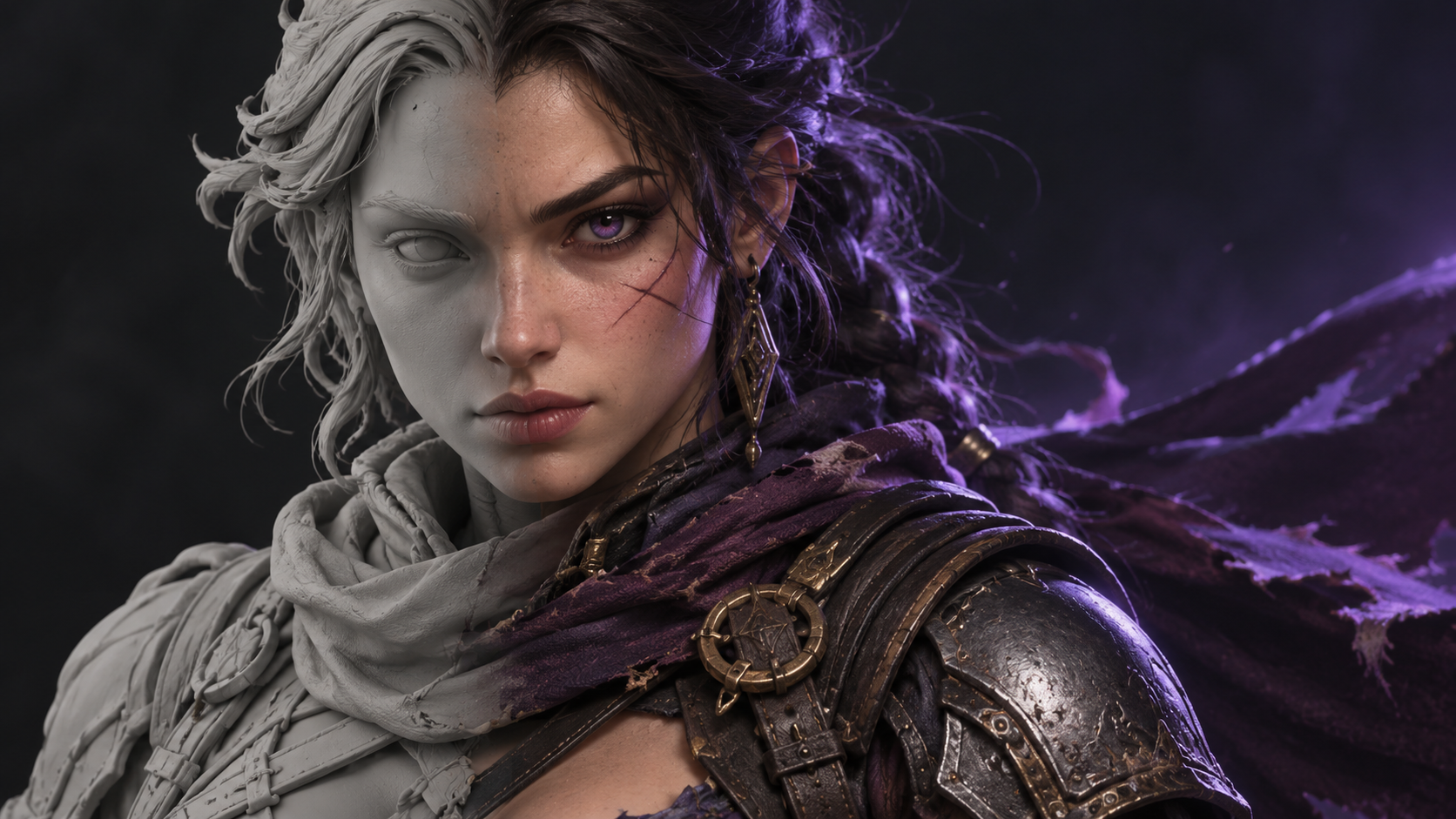
Stylized and photoreal character creation defines the visual identity of a game. Characters are often the first and most enduring element players emotionally connect with, and their design influences storytelling, worldbuilding, and moment-to-moment gameplay immersion. Whether a project aims for exaggerated proportions, hand-painted aesthetics, hyper-real likenesses, or hybrid styles, the foundation lies in well-crafted character models that animate convincingly and support the game’s artistic direction.

​

This application focuses on building characters that remain visually coherent, expressive, and technically sound — regardless of style. From sculpting anatomy to capturing nuanced facial behavior, Mimic Gaming supports studios in creating characters that not only look remarkable but perform reliably throughout the entire production pipeline.

IMPORTANCE IN GAME DEVELOPMENT

Visual Identity Definition

Character style shapes the overall tone and artistic personality of the game — from grounded realism to highly stylized worlds.

Consistency Across Art Direction

Well-constructed characters maintain consistent proportions, shading, expression style, and silhouette language across the entire cast.

Animation Compatibility

Clean topology, correct joint placement, and carefully structured facial systems ensure characters animate predictably and naturally.

Performance Expression Range

A well-designed rig supports broad emotional expression, whether subtle photoreal shifts or bold stylized exaggerations.

Player Engagement & Connection

Believable design encourages emotional investment — players relate more strongly to characters that express intention and personality.

Technical Optimization for Engines

Characters must be built to run efficiently on target platforms, balancing detail with performance budgets.

Scalability Across Variants

A solid base character allows easy creation of costumes, armor, facial variations, and LODs without breaking visual coherence.

Compatibility With Diverse Pipelines

Characters must function across cinematic, gameplay, and AI-driven systems, supporting consistent behavior in all contexts.

HOW MIMIC GAMING CONTRIBUTES?

Mimic Gaming helps studios create stylized and photoreal characters that perform well both visually and technically. Our workflows combine artistic craftsmanship with production-ready execution to ensure characters remain compelling, expressive, and stable throughout development.

51.png

HIGH-FIDELITY PHOTOREAL REFERENCE CAPTURE

For realism-focused projects, we provide detailed scans, reference photography, and facial data capturing skin texture, bone structure, and micro-expression patterns. This supports accurate likeness creation and strengthens believability in close-up scenes.

52.png

STYLIZED PERFORMANCE TRANSLATION

Stylized characters rely on expressive exaggeration. We help adapt real performances into stylized proportions, ensuring movement still feels grounded while matching the intended artistic tone.

53.png

TOPOLOGY-OPTIMIZED CHARACTER MODELING

Our modeling workflows deliver clean edge flow for deformation, especially around shoulders, hips, eyes, and the mouth. This ensures characters maintain visual clarity during expressive animations and complex body movements.

54.png

GAME-READY RIGGING & FACIAL SYSTEMS

We develop rigs tailored to each project’s needs — from advanced FACS-based photoreal systems to simplified stylized controllers. Each rig is built for emotional range, clean deformation, and consistency across scenes.

55.png

CROSS-STYLE RETARGETING PIPELINES

All animations are prepared for blending, layering, and procedural modification. This includes neutralized stances, clean loops, and transition-friendly segments that can mix with locomotion, physics, or IK-driven behavior.

56.png

TEXTURE, SHADER & MATERIAL CALIBRATION

We create or calibrate materials to match the project’s visual goals — painterly shading, stylized outlines, realistic subsurface scattering, or hybrid looks. This ensures characters feel integrated into the game’s world lighting.

Game Development

WHERE THIS IS USED IN THE PIPELINE?

Character creation feeds into every pipeline stage — from concept and sculpting to rigging, animation, and gameplay testing. Each phase relies on strong foundational models to maintain visual and emotional consistency.

Pre-Production

  • Defining the game’s visual language for stylized or photoreal characters

​

  • Establishing body proportions, silhouettes, and artistic direction

​

  • Developing facial expression tests and early animation samples

​

  • Creating reference boards, concept art, and style guides

​

  • Aligning art, narrative, and animation teams on character identity

Production

  • Modeling characters with optimized topology for animation

​

  • Building facial rigs and expression sets for performance

​

  • Creating texture passes that match stylized or realistic style targets

​

  • Supporting costume, variant, and accessory development

​

  • Retargeting animation to early prototypes for testing

Gameplay Integration

  • Ensuring characters behave consistently across gameplay cycles

​

  • Testing deformation during locomotion, combat, traversal, or interactions

​

  • Aligning rig behavior with animation blueprints and state machines

​

  • Verifying visual consistency under game lighting and camera distance

​

  • Integrating character-specific logic for AI behaviors or companions

Post Production

  • Refining weight painting and deformation accuracy

​

  • Enhancing facial expression fidelity for dramatic or emotional scenes

​

  • Tuning shaders and materials for final artistic presentation

​

  • Ensuring consistency across LODs, variants, and cinematic transitions

​

  • Optimizing character performance for all target platforms

WHO BENEFITS FROM IT?

Artists, animators, technical teams, and cinematic directors all depend on robust character builds. This section outlines the groups that gain from well-designed stylized or photoreal characters.

Character Artists

Gain clear structure, visual direction, and reference fidelity.

Animators

Receive characters that deform reliably and express emotion convincingly.

Cinematic Directors

Benefit from models that hold up during close-ups and emotional beats.

Gameplay Designers

Work with characters that respond predictably under real-time constraints.

Technical Animators

Get rigs designed for engine pipelines, blending layers, and performance.

Art Directors

Maintain visual consistency across the game’s character roster.

SUMMARY

Stylized and photoreal character creation is a cornerstone of memorable game worlds. Strong character design shapes player identity, supports storytelling, and ensures animation performs cleanly across all gameplay scenarios. When characters are built with both artistic intention and technical precision, they reinforce every part of the experience — from combat to cutscenes to emotional dialogue moments.

​

Mimic Gaming supports this process by developing characters with clean deformation, expressive facial systems, optimized topology, and consistent visual identity. Whether creating stylized heroes or hyper-real digital humans, our workflows ensure each character feels present, expressive, and connected to the world around them.

bottom of page