
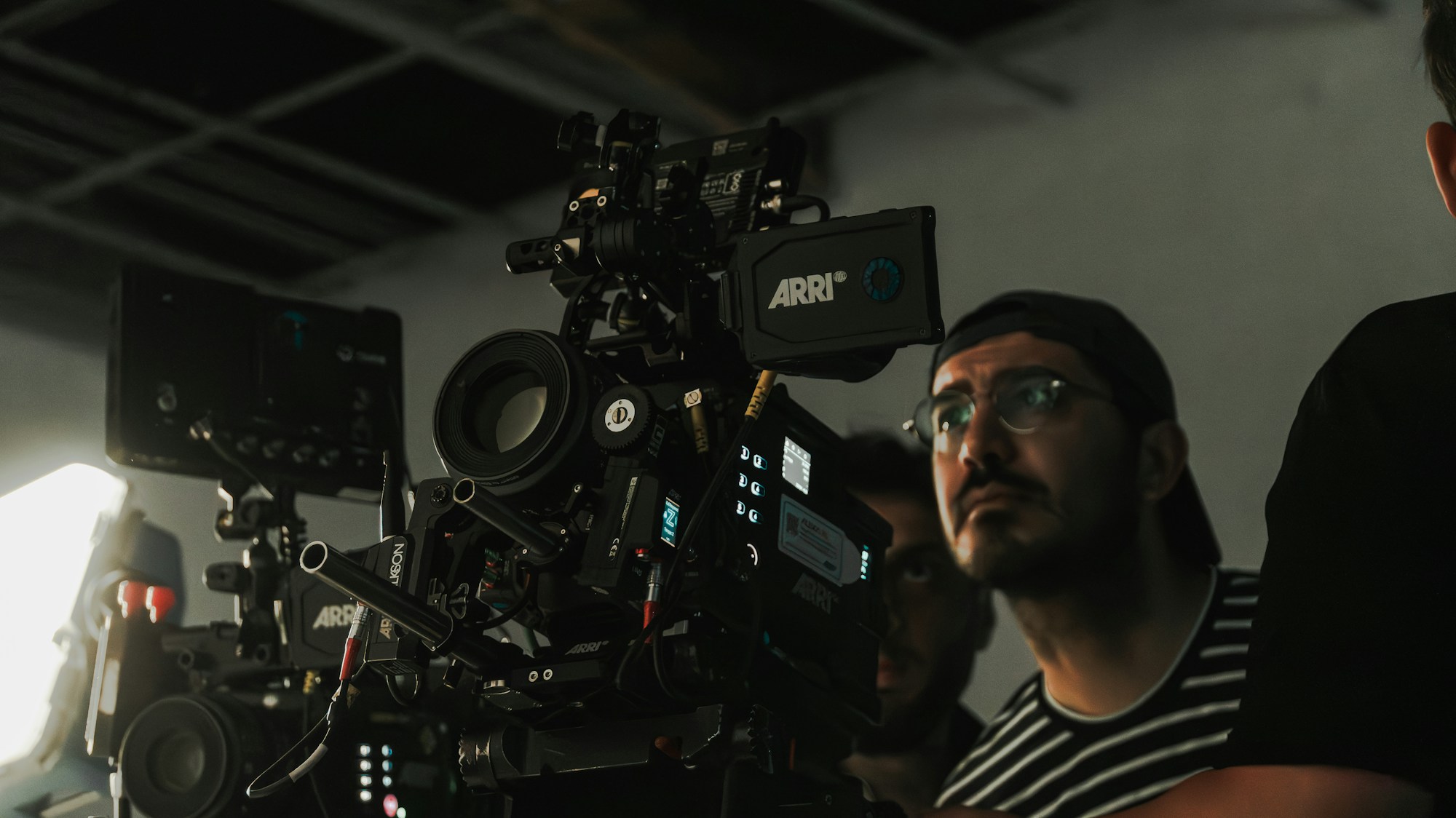
How much does motion capture cost for a video game—and what belongs in a realistic budget?
A professional game mocap project can range from a focused five-figure capture to a larger six-figure program. The real answer depends on the finished deliverable, not simply a day rate.
This guide explains the cost drivers and connects them to Mimic Gaming’s game production services.
How Much Does Motion Capture Cost for a Video Game?
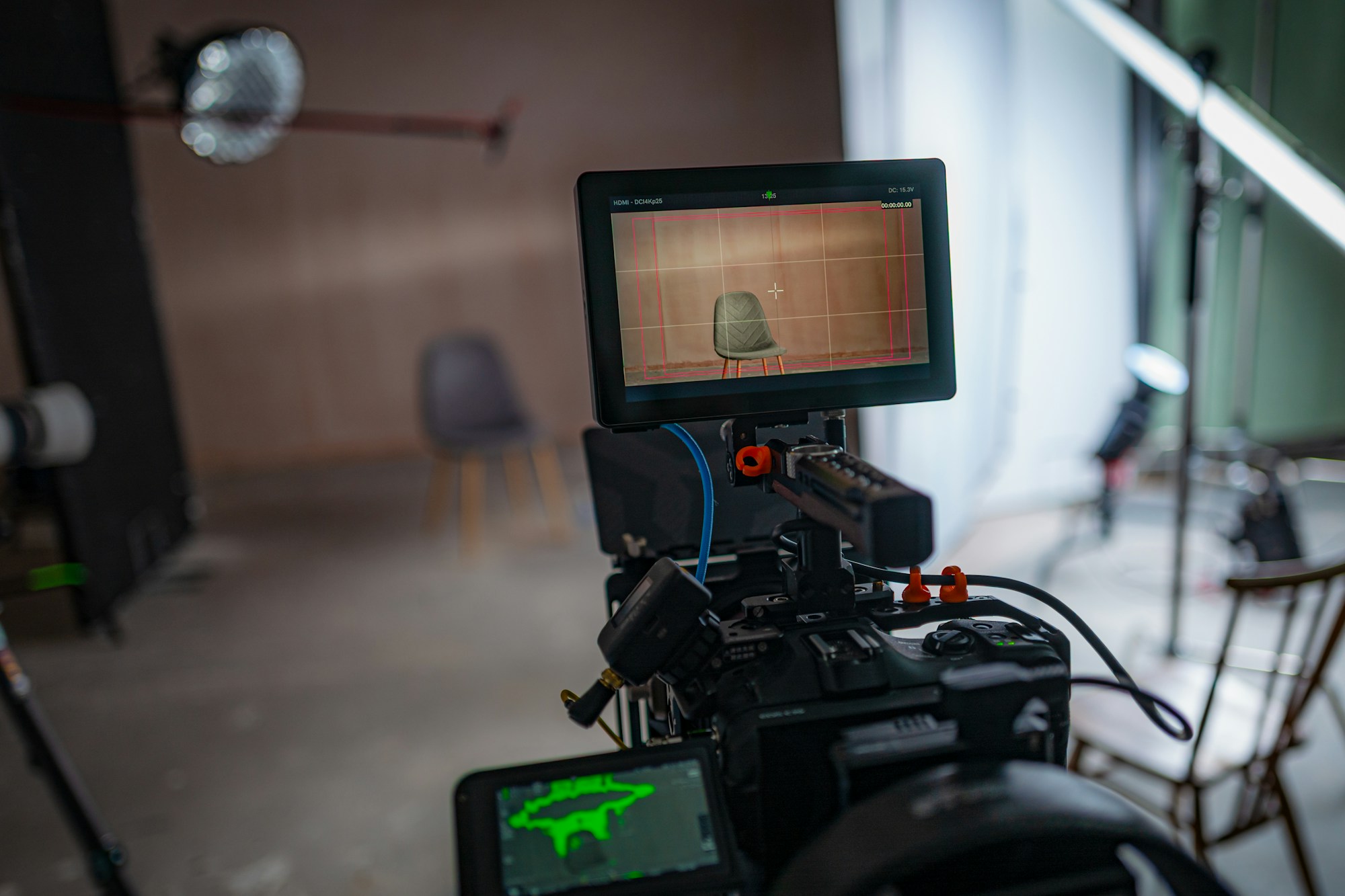
Motion capture cost for games depends on scope more than recording hours. A focused prototype may fit a five-figure production budget, while multi-day gameplay libraries, combat systems, cinematics, or synchronized body-and-face performance can rise into six figures. A useful estimate includes planning, performers, stage time, technicians, processing, cleanup, retargeting, engine integration, reviews, and contingency.
Public day rates are only a starting signal. One stage day can produce very different value depending on preparation, performer count, action complexity, live visualization, technical failures, and the definition of finished. Raw marker data is cheaper than solved skeletons; solved data is cheaper than named, segmented, cleaned, retargeted, engine-tested animation.
For budgeting, define the player-facing result first. A prototype may need a representative locomotion set, interaction, combat beat, and emotional moment. Production may need hundreds of coordinated clips, variants, transitions, multiple character rigs, and repeatable delivery across milestones. This definition makes quotes comparable and protects the schedule.
What a Mocap Quote Includes
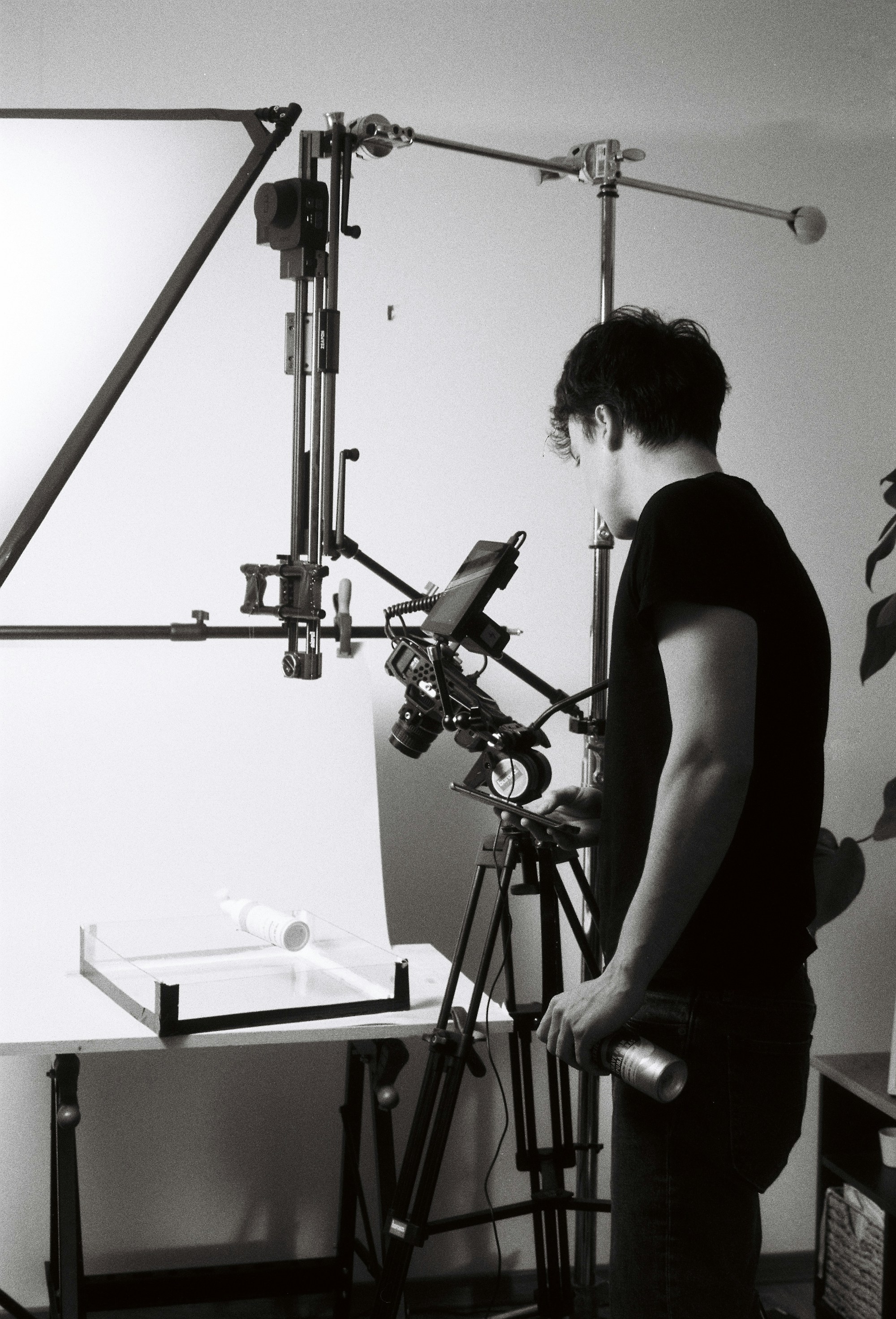
A credible quote separates pre-production, capture, talent, and post-production. Pre-production covers movement lists, storyboards or beat sheets, casting, rehearsals, technical tests, safety, props, target rigs, naming, delivery formats, and acceptance criteria. Preparation is not overhead: it increases usable takes per hour and prevents expensive decisions on stage.
Capture costs may include the stage, tracking system, technicians, director, performers, reference cameras, suits, prop tracking, audio, data management, backups, travel, and specialist support. Combat, falls, wires, weapons, animals, or intimate performance can add rehearsal, coordination, insurance, and safety requirements.
Post-production may include tracking or solving, labeling, cleanup, foot-contact repair, root motion, segmentation, retargeting, export, documentation, engine integration, and QA. Ask whether delivery ends with raw data, solved data, clean clips, or production-ready animation. Also confirm review rounds, change pricing, security, data retention, and ownership.
Main Motion Capture Cost Drivers
Performer count is a major cost driver. More performers mean more casting, scheduling, rehearsal, tracking complexity, interaction problems, wardrobe, props, data, and cleanup. Specialist stunt performers, choreographers, movement coaches, or performance directors can increase cost but often reduce risk and improve usable output.
Capture modality changes the technical package. Full-body optical capture, inertial capture, facial capture, hand capture, voice, and synchronized reference video solve different needs. Combining them can create richer performances, but timestamps, naming, calibration, facial rigs, and post-processing must remain aligned.
Character and engine complexity also matters. A proven humanoid skeleton is more predictable than a stylized body, creature, layered costume, custom deformation system, or unusual scale. Unreal Engine, Unity, and proprietary engines have different import, root-motion, retargeting, compression, state-machine, and QA needs.
Revision policy can turn a cheap quote into an expensive project. Define acceptance criteria for contacts, timing, arcs, jitter, naming, clip boundaries, skeletons, file versions, root-motion variants, and in-engine behavior. Then specify how many reviews are included and what constitutes a scope change.
How to Budget by Project Type
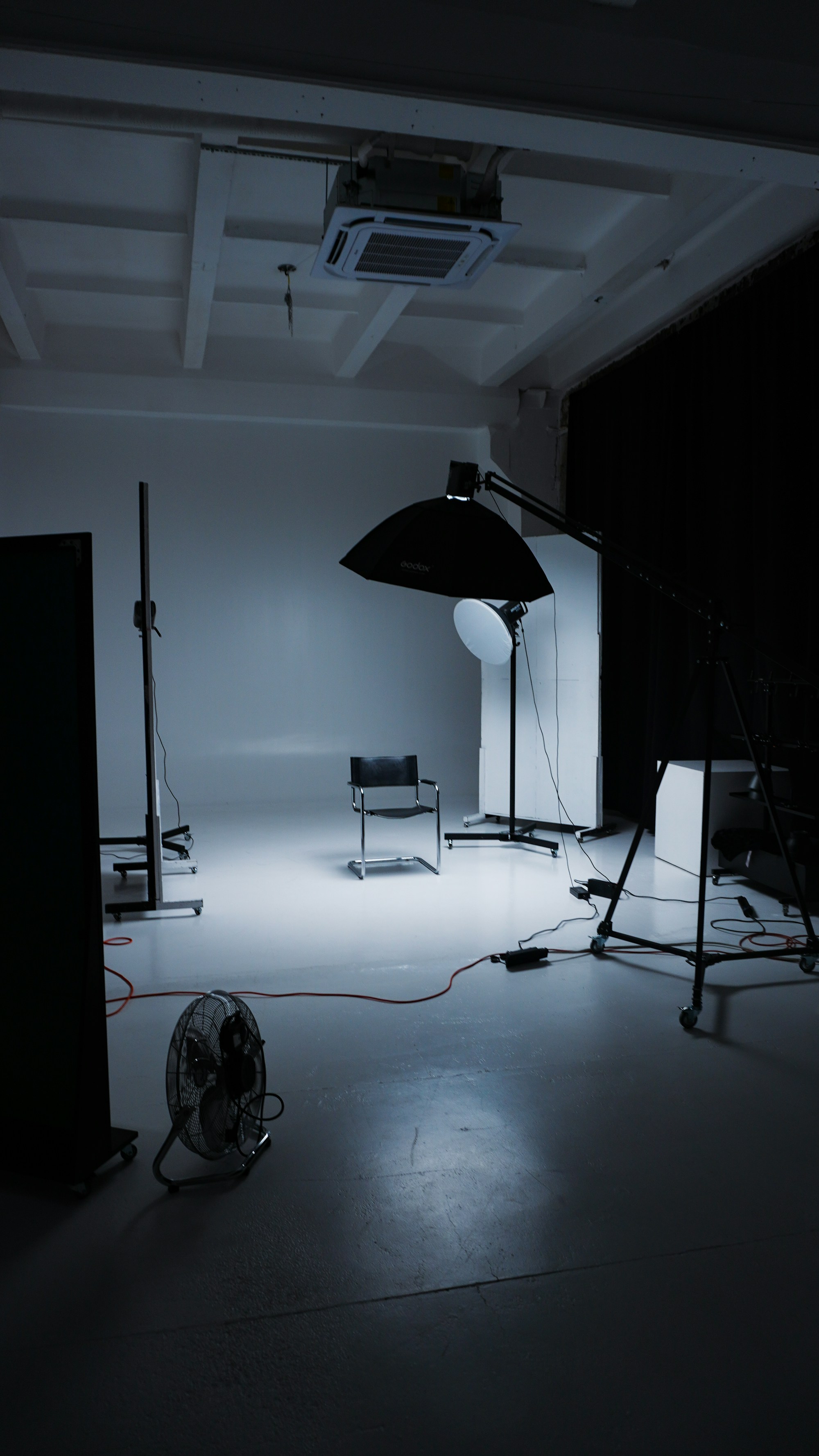
For prototypes, buy evidence rather than volume. Test a representative set on the final skeleton and inside the actual game engine. Prove that direction, capture, cleanup, retargeting, import, and gameplay review work before expanding the library.
For indie and mid-sized games, budget by animation set. Count directions, speeds, starts, stops, turns, attacks, reactions, traversal actions, interactions, dialogue gestures, and transitions. Identify which clips can be mirrored, blended, procedurally adjusted, or reused without harming character identity or gameplay readability.
AAA gameplay and cinematics need a program budget across milestones. Include recurring casting, rehearsals, stunt support, performance direction, body-face synchronization, multiple rigs, localization, security, backups, engine reviews, pickups, and vendor management. Preserve templates, documentation, calibrations, and performer continuity for later content.
A practical estimate should include contingency for pickups and technical change. Rig revisions, altered weapons, new camera requirements, updated timing, platform optimization, and narrative edits can affect delivered animation even after a successful shoot.
How to Reduce Cost Without Losing Quality

The best savings happen before booking the stage. Lock the action list, prioritize must-have clips, remove duplicates, define variants, test props and skeletons, and rehearse complex scenes. A prepared performer with clear direction produces more usable movement than an improvised session with hundreds of vague actions.
Schedule by costume, prop, character, emotional intensity, and physical demand. Use consistent calibrations and reference video. When possible, visualize the target character live so the director can correct silhouette, contacts, range, weapon alignment, and gameplay readability during capture rather than after processing.
Do not save money by skipping safety, backups, technical supervision, or validation. Lost data and unusable performance are costly. Use a paid pilot, clear acceptance checklist, and sample engine delivery before processing the full library. This exposes retargeting, scale, naming, contact, and export problems early.
Reuse helps only when it supports the design. Retargeting one library across compatible characters can be efficient, but proportions, style, props, clothing, combat timing, and personality still require testing and sometimes targeted polish.
In-House vs Outsourced Mocap

In-house capture makes sense when a studio has frequent volume, trained operators, suitable space, safety systems, calibration expertise, performer coordination, and a stable post team. Equipment purchase is only part of ownership; maintenance, software, staffing, stage space, processing, pipeline engineering, and ongoing QA continue.
Outsourcing converts much of that capability into a project cost. It can be efficient when a team needs a specialist stage, proven direction, combat or stunt experience, facial systems, synchronized capture, cleanup, retargeting, or engine-ready delivery without creating a permanent department.
Compare the full internal cost of ownership with an external defined deliverable, not with a vendor day rate. A hybrid model is common: internal developers own creative direction, gameplay and integration, while a specialist partner handles capture, processing, retargeting, or peak production.
The best partner makes uncertainty visible. They should ask about the game loop, camera, skeleton, engine, platforms, performer needs, action list, file format, naming, security, review rhythm, and definition of done before promising a price.
Questions to Ask a Mocap Studio
Before approving a quote, ask what is included before, during, and after the capture day. Confirm performers, rehearsals, stunts, props, travel, usage rights, body-face-hand-voice streams, reference video, solving, cleanup, retargeting, exports, engine testing, reviews, pickups, security, backups, retention, and ownership.
Share representative characters, skeletons, engine versions, platform constraints, reference footage, action lists, expected clip counts, naming rules, and acceptance criteria. For an unusual rig or style, request a paid sample that follows the complete delivery path.
Ask how the studio measures usable output. A long clip count is meaningless if files require substantial relabeling, cleanup, retargeting, or gameplay repair. Strong suppliers define quality evidence and show how problems are tracked through delivery.
Finally, ask who makes creative and technical decisions. Clear ownership for direction, safety, data, rig changes, animation approval, engine validation, and schedule changes prevents delay and protects the budget.
Motion Capture Cost FAQ
How much does one day of motion capture cost?
There is no universal rate. Stage, crew, talent, modality, complexity, cleanup, retargeting, travel, and delivery all affect the total.
Is mocap cheaper than hand animation?
It can be for large volumes of realistic human motion. Hand animation may be better for small, stylized, creature, or unsafe actions.
What is the cheapest mocap type?
A small inertial setup may cost less initially, but cleanup, drift correction, retargeting, and QA determine the finished cost.
Does a quote include cleanup?
Not always. Confirm solving, cleanup, segmentation, naming, contacts, root motion, retargeting, exports, and engine tests.
How many clips fit in a day?
Simple rehearsed actions move quickly; combat, props, dialogue, multiple actors, and precise performances require more time.
Why is facial capture expensive?
It adds cameras, calibration, tracking, solving, synchronized audio, facial rigs, retargeting, and animator polish.
Should indie studios use mocap?
Yes when realistic motion supports the game. Start with a pilot, one proven rig, prioritized actions, and a defined finish level.
How do I get an accurate estimate?
Provide actions, performers, modalities, rigs, engine, formats, quality bar, schedule, reviews, location, and definition of done.
Can data be reused?
Often, but every new character needs tests for proportions, contacts, style, props, clothing, timing, and gameplay.
What should be delivered?
Common outputs include raw and solved data, reference video, cleaned clips, documentation, retargeted files, and engine validation.
Conclusion
Motion capture cost becomes predictable when a studio defines the performance, technical pipeline, and finished delivery—not merely stage hours. Start with a representative pilot, itemize every phase, test the target rig early, and compare partners against the same acceptance criteria.
Planning a mocap, combat, cinematic, facial, or gameplay animation project? Contact Mimic Gaming for a production scope and estimate.
 September 28, 2026
 September 24, 2026
 September 22, 2026