
Yes—when you need specialist art, animation, motion capture, technical art, or engine support without permanently expanding headcount. The best model is a controlled partnership with clear ownership, measurable deliverables, and frequent creative review.
This guide answers when outsourcing makes sense, which work packages are easiest to delegate, what risks to control, and how to evaluate a partner. It is written for producers, founders, art directors, and development leads who want more production capacity while keeping the game’s vision and intellectual property firmly in their hands.
What is game development outsourcing?
Game development outsourcing means assigning a defined part of production to an external studio, specialist team, or long-term co-development partner. The internal team remains responsible for product vision, player experience, publishing decisions, and final approval, while the external team supplies production capacity or expertise that would otherwise take months to recruit and organize.
The scope can be narrow—a character batch, animation library, custom shader, capture session, or quality-assurance pass—or broad enough to cover several connected disciplines. Mimic Gaming’s game development services include character creation, environments, cinematic animation, concept design, technical support, and marketing assets, allowing related deliverables to move through one coordinated production pipeline.
Outsourcing is not simply hiring the cheapest vendor. A production partner must work within your engine requirements, naming conventions, review process, security rules, art direction, technical budgets, and source-file standards. The goal is usable, production-ready output, not attractive preview files that require weeks of internal repair. Strong outsourcing expands the reach of producers, directors, and leads rather than replacing them.
Three engagement models are common. A fixed package suits stable deliverables with clear acceptance criteria. Time-and-materials supports changing priorities where the client controls the backlog. Co-development embeds the external team inside daily production for a longer period. Choose the model according to uncertainty, not habit, because unclear work rarely becomes predictable merely because the contract says fixed price.
Should you outsource game development?
Consider outsourcing when a project has a clear production need but permanent hiring would be too slow, inflexible, or difficult to justify after the milestone. Typical triggers include a content-heavy vertical slice, a cinematic deadline, a platform port, a character backlog, an animation peak, or temporary demand for advanced real-time skills. External support can add capacity without locking the studio into long-term headcount.
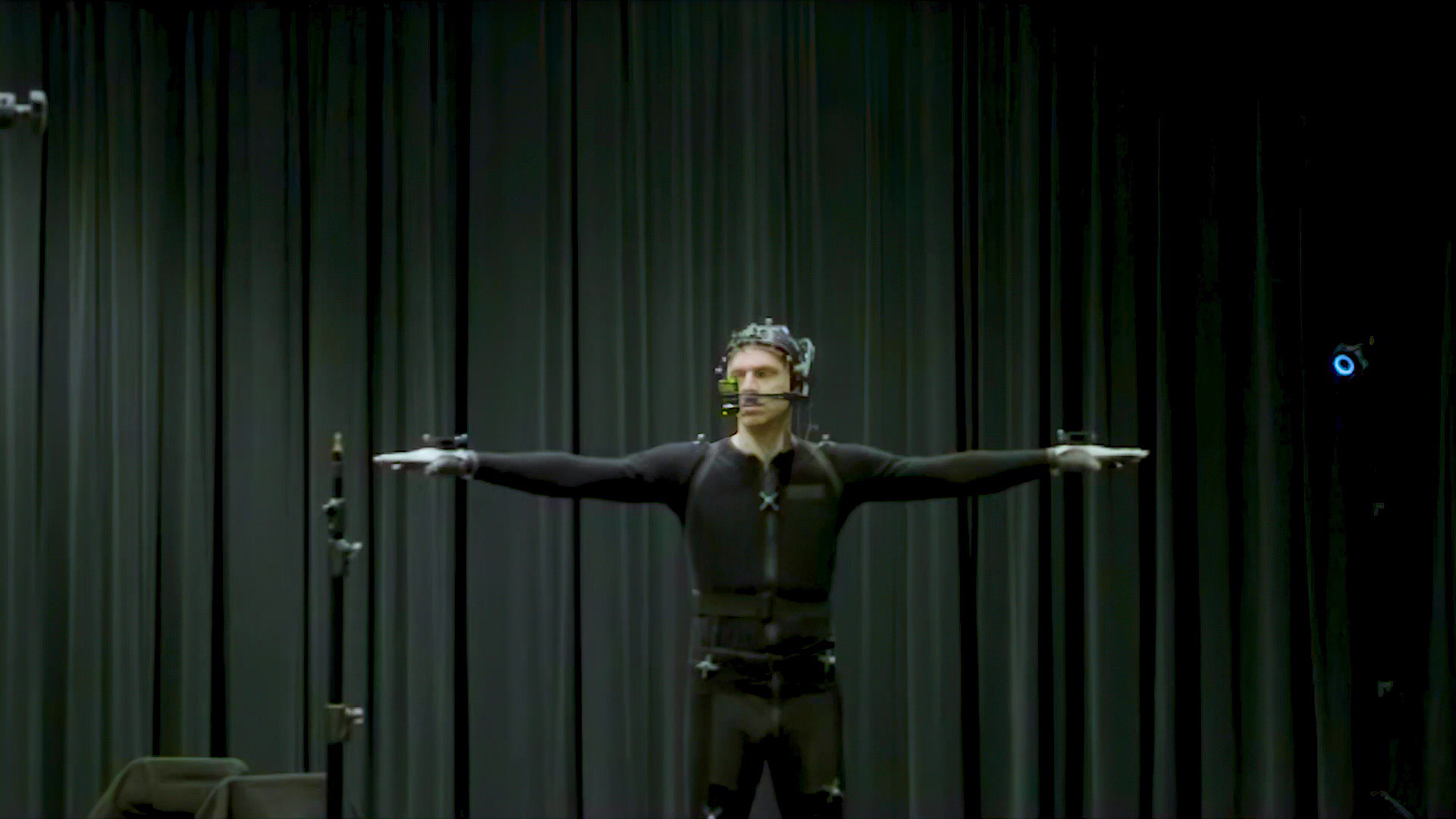
It works best when the output can be defined and reviewed. If your team can describe target quality, technical constraints, source format, acceptance criteria, delivery schedule, and approval owners, an external team can estimate and execute with less uncertainty. Specialist work such as motion capture and real-time technology is often practical to source externally because the equipment, operators, cleanup, retargeting, and engine knowledge form a connected capability.
Ask whether the desired result can be demonstrated with references and accepted using observable criteria. If yes, it can probably be outsourced. If the task is still an undefined creative ambition, begin with discovery, concept tests, or a paid prototype rather than full production. Keep unresolved core mechanics, product strategy, monetization decisions, and final creative approval close to the internal team.
Timing matters. Start early enough for onboarding, security setup, test assets, feedback, integration, and correction. Bringing a partner in only after a milestone is already in crisis forces rushed decisions and increases the chance that technical or visual mismatches appear late. The best time to outsource is before capacity becomes an emergency but after the team can explain what success looks like.
Scale art or animation for a known milestone.
Use specialists when equipment or rare expertise would be inefficient to build internally.
Choose co-development when priorities change frequently.
Keep product strategy and final creative approval with internal leads.
Which game production tasks can be outsourced?
The most outsource-friendly tasks have clear interfaces with the rest of the game. Art assets, animation clips, capture data, engine tools, marketing visuals, QA packages, porting work, and self-contained gameplay systems can be reviewed independently and integrated through documented specifications. Work that changes continuously may suit co-development better than a distant handoff.
For character-heavy games, external teams can handle concept interpretation, modeling, texturing, grooming, rigging, blendshapes, optimization, and engine setup. Mimic Gaming produces stylized and photoreal game characters and aligns assets with Unreal Engine, Unity, or proprietary pipelines. The brief should specify topology, texture sets, skeletons, facial requirements, LODs, shaders, animation states, and test scenes.
World-building can include modular environments, architecture, props, materials, lighting support, collision, and level art. A useful partner optimizes not only for beauty but for polygon budgets, texture memory, texel density, LOD strategy, naming, streaming, and target hardware. Deliverables should be tested in the target engine throughout production, not only at final handover.
Animation outsourcing can cover gameplay loops, combat, traversal, creature motion, cutscenes, trailers, and dialogue. High-fidelity motion capture and 3D scanning can shorten the path from performance to believable characters when capture, cleanup, retargeting, facial work, and engine delivery are planned together. Marketing assets, key art, trailers, and publisher-facing IP visualization can also reuse the same approved character and environment pipeline.
What are the benefits and risks?
The main benefit is flexible access to a team that already has the equipment, workflows, and discipline mix required for the job. That can reduce recruiting delays, accelerate milestones, and give internal staff room to focus on design, direction, integration, and player experience. A mature external team may also bring production patterns learned across multiple engines, genres, and delivery environments.
A second benefit is specialist depth. A project may need character scanning or a cinematic capture stage for only part of its schedule. Maintaining the full capability in-house can be inefficient. An experienced partner supplies it when needed and returns production-ready data. Mimic Gaming’s character performance and animation applications connect capture, animation, characters, cinematics, creature movement, and real-time delivery.
Risks are real but manageable. Vague scope causes revision loops. Weak technical documentation creates integration rework. Irregular feedback lets mismatches multiply. Poor access control can expose intellectual property. Aggressive price comparisons can hide supervision, cleanup, missed milestones, and staff turnover. Control these risks with countable deliverables, test assets, named reviewers, milestone gates, validation checks, and explicit source-file ownership.
Compare total production value, not the lowest hourly rate. A higher quote can be economical if it includes senior supervision, predictable reviews, clean source files, reliable integration, and fewer correction cycles. Ask what is included, how changes are priced, and which client-side tasks remain your responsibility. The healthiest partnerships make progress, blockers, dependencies, scope movement, and milestone confidence visible every week.
Define countable deliverables and acceptance criteria.
Prove quality and integration with a paid test.
Use milestone gates, named reviewers, and escalation rules.
Protect IP with least-privilege access and source-file delivery.
How do you choose the right partner?
Choose a partner by matching evidence to your production problem. A broad portfolio can show taste, but it does not prove that a team understands your engine, platform, asset scale, review cadence, security requirements, or delivery constraints. Ask for shipped work close to your art style and technical scope, then verify the proposed approach with a representative paid test.
Ask who will actually work on the project. Review the lead, senior contributors, and day-to-day contact. Confirm availability, continuity, and how decisions are documented. Mimic Gaming describes a flexible extension model and an AAA-focused production approach spanning art, animation, code, motion capture, and engine-ready assets. The names and responsibilities in the proposal should match the people who join production.
Useful due-diligence questions include: Who owns source files, rigs, scans, tools, and derivative assets? Which engine versions and validation tools are supported? How are permissions limited and removed? How are revisions estimated? What happens when staffing changes or a milestone slips? How is knowledge transferred? What work is excluded from the quote? Clear, direct answers reveal more than generic promises about quality.
Look for thoughtful discovery questions about style, skeletons, materials, performance budgets, target hardware, localization, and downstream use. Careful discovery signals production maturity. Mimic Gaming is a Berlin-based game art and mocap studio serving studios and publishers worldwide, with experience connected to Batman: Arkham Knight, Borderlands, Tennis World Tour, and NBA 2K. Relevant references should confirm communication, reliability, source-file quality, and change handling.
How should an outsourced project begin?
Begin with discovery that turns the creative goal into a production contract. The brief should state player-facing purpose, visual target, engine and platform, technical budgets, source materials, review owners, delivery format, security rules, dependencies, milestone dates, and definition of done. Avoid adjectives without evidence: replace “high quality” or “cinematic” with references, measurable constraints, and acceptance tests.
For a character package, include concept references, topology rules, texture sets, shader model, skeleton, facial rig, animation needs, LODs, engine version, and test scene. For environments, define modularity, scale, texel density, collision, lighting assumptions, streaming constraints, and performance targets. For animation, define skeletons, frame rates, root motion, state-machine needs, retargeting, cleanup, and export formats.
Next, build one representative test that exercises the risky parts of the pipeline. Review visual quality and working files: naming, folders, editable layers, rig behavior, material setup, performance, and import results. After approval, convert feedback into a written style and technical guide. Produce in small milestones with recurring reviews, version control, recorded decisions, and predictable approval windows.
Plan internal responsibilities as carefully as external ones. Name a producer, creative reviewer, technical reviewer, and final approver. Set response times and an escalation path. At handover, require source files, documentation, licenses, tools, open-issue lists, and access removal. Review Mimic Gaming’s services and production capabilities and technology pipeline before preparing the first brief so the scope connects creative ambition to a practical delivery workflow.
Frequently asked questions
What is game development outsourcing?
It assigns defined production work to an external studio while the client retains product direction and ownership. Common scopes include art, animation, mocap, tools, QA, porting, and co-development.
Is outsourcing cheaper than hiring in-house?
It can reduce recruiting time and fixed overhead, especially for temporary peaks or specialist work. Compare total cost, including supervision, integration, revisions, and risk—not only hourly rates.
What parts are best to outsource?
Clearly specified packages such as characters, environments, props, animation libraries, cinematics, motion capture, technical art, marketing assets, QA, and self-contained systems.
Can an indie studio outsource development?
Yes. Indie teams can outsource a prototype, hero character, trailer, environment set, animation package, or technical challenge. A focused paid test is safer than committing the entire game.
How do you protect game IP?
Use ownership clauses, NDAs where appropriate, least-privilege access, named personnel, secure transfers, source-file requirements, and documented access removal.
What should an outsourcing brief include?
Include the creative goal, references, engine, platform, budgets, deliverables, formats, milestones, reviewers, revision process, acceptance tests, and security rules.
What is the difference between outsourcing and co-development?
Outsourcing usually delegates a stable package with clear handoffs. Co-development embeds the external team inside the client’s backlog, tools, meetings, and changing priorities.
How do you evaluate a studio?
Match evidence to scope, review the proposed team, run a paid test, inspect source files, verify engine expertise, discuss security and IP, and ask how changes are handled.
Does Mimic Gaming support Unreal Engine and Unity?
Yes. Mimic Gaming states that it adapts assets and technical work to Unreal Engine, Unity, and proprietary pipelines, including rigged characters, optimized environments, shaders, and real-time integration.
Build more without losing creative control
Game development outsourcing works best when it expands your team’s reach without weakening creative ownership. Define the problem, prove the pipeline with a representative test, review work in small batches, and measure success in integrated deliverables—not attractive previews.
Talk to Mimic Gaming about characters, environments, animation, mocap, and engine-ready support for your next milestone.
 September 28, 2026
 September 24, 2026
 September 22, 2026