
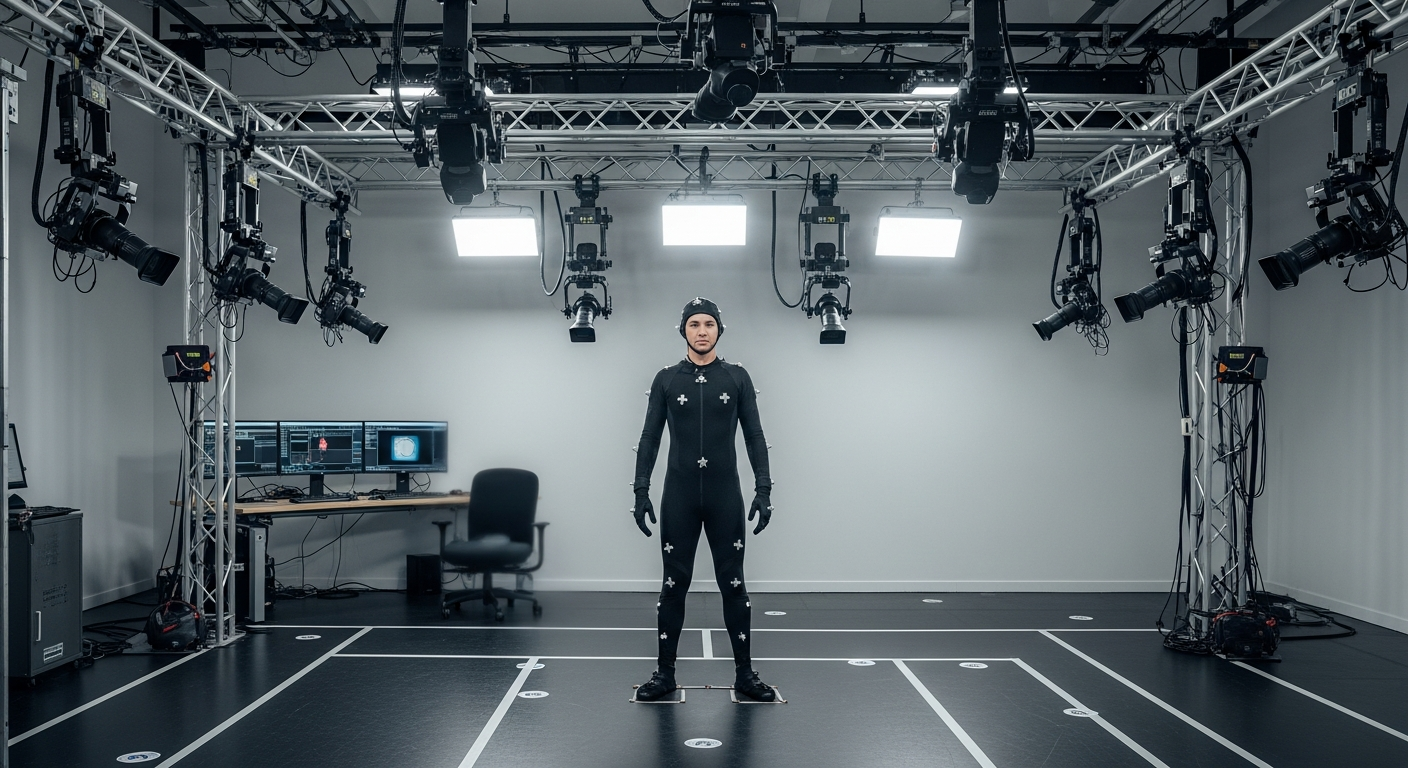
Motion capture (mocap) has become a cornerstone of modern AAA game development. From cinematic storytelling to realistic combat systems and emotionally expressive characters, mocap provides the physical authenticity and fluidity that players now expect. While early animation relied heavily on manual keyframing, today’s biggest studios combine mocap data with expert animation techniques to achieve unparalleled realism.
Game mocap is no longer limited to capturing basic movement—it powers dramatic performances, complex fight choreography, traversal mechanics, facial expression systems, multiplayer interactions, cutscenes, and even environmental reactions. In the age of hyper-realistic visuals, mocap bridges the gap between digital characters and human performance, making game worlds more believable and emotionally resonant.
This guide explains what game mocap is, why it’s essential for AAA characters and combat design, and how studios use it to deliver next-generation gameplay experiences.
What Is Game Mocap?
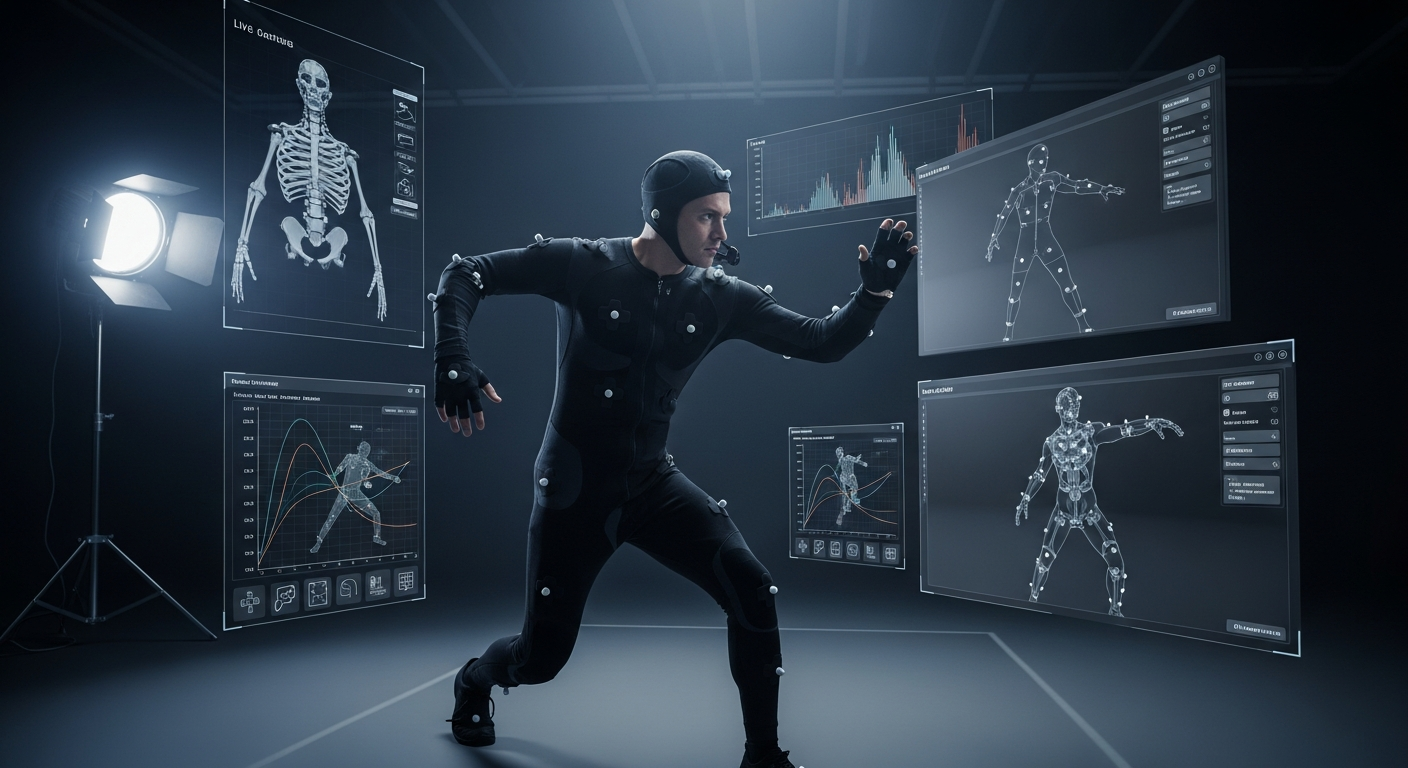
Game mocap (motion capture) is the process of recording the movement of real human performers and translating their motion into digital characters inside a game engine. Instead of animating every frame by hand, studios capture actors performing actions—walking, punching, jumping, emoting, interacting—and use that data to drive character animation.
Motion capture pipelines are explored in-depth in how studios utilize motion capture for games, outlining how motion capture integrates into animation and game engines.
Game mocap includes:
Body capture: full-body movement
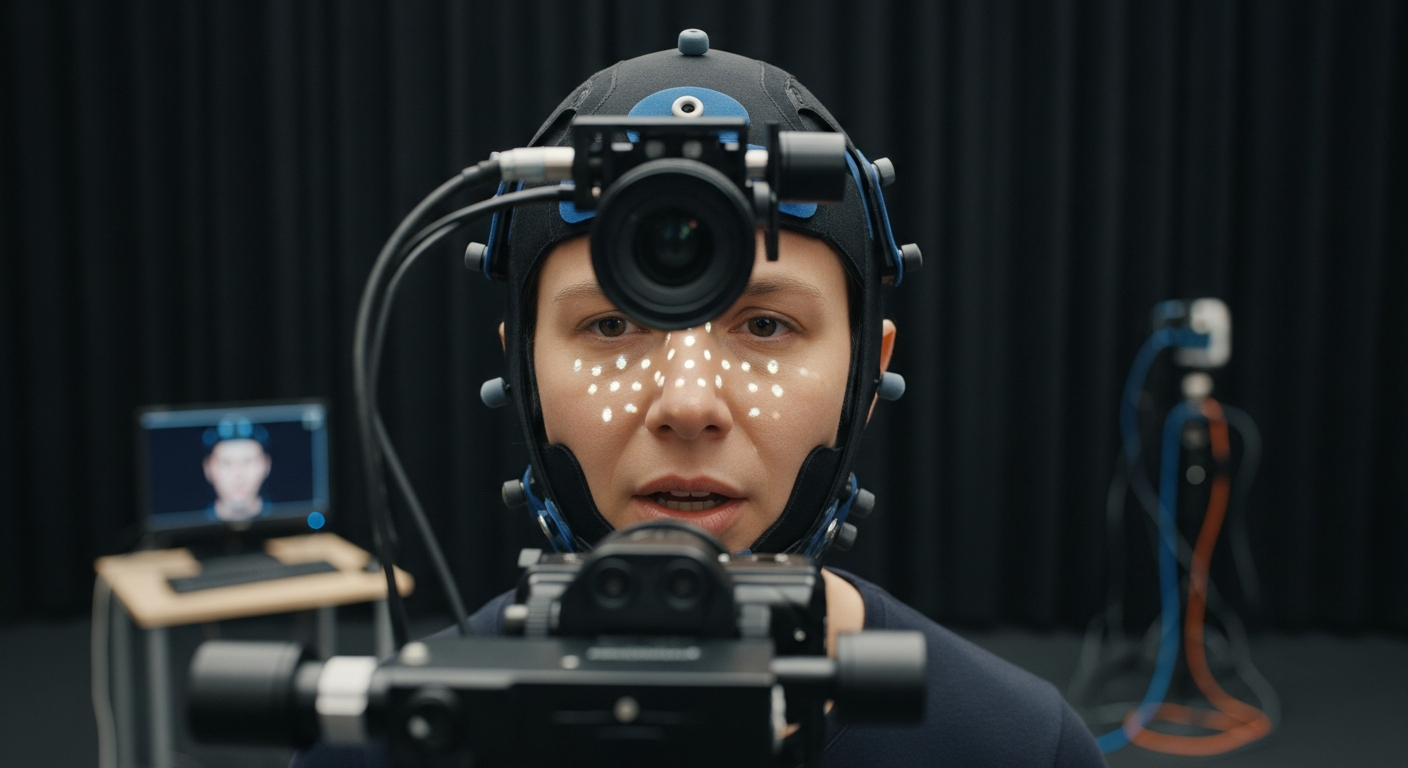
Face capture: expressions, speech, micro-emotions
Hand capture: finger motion, gestures
Performance capture: body + face + voice together
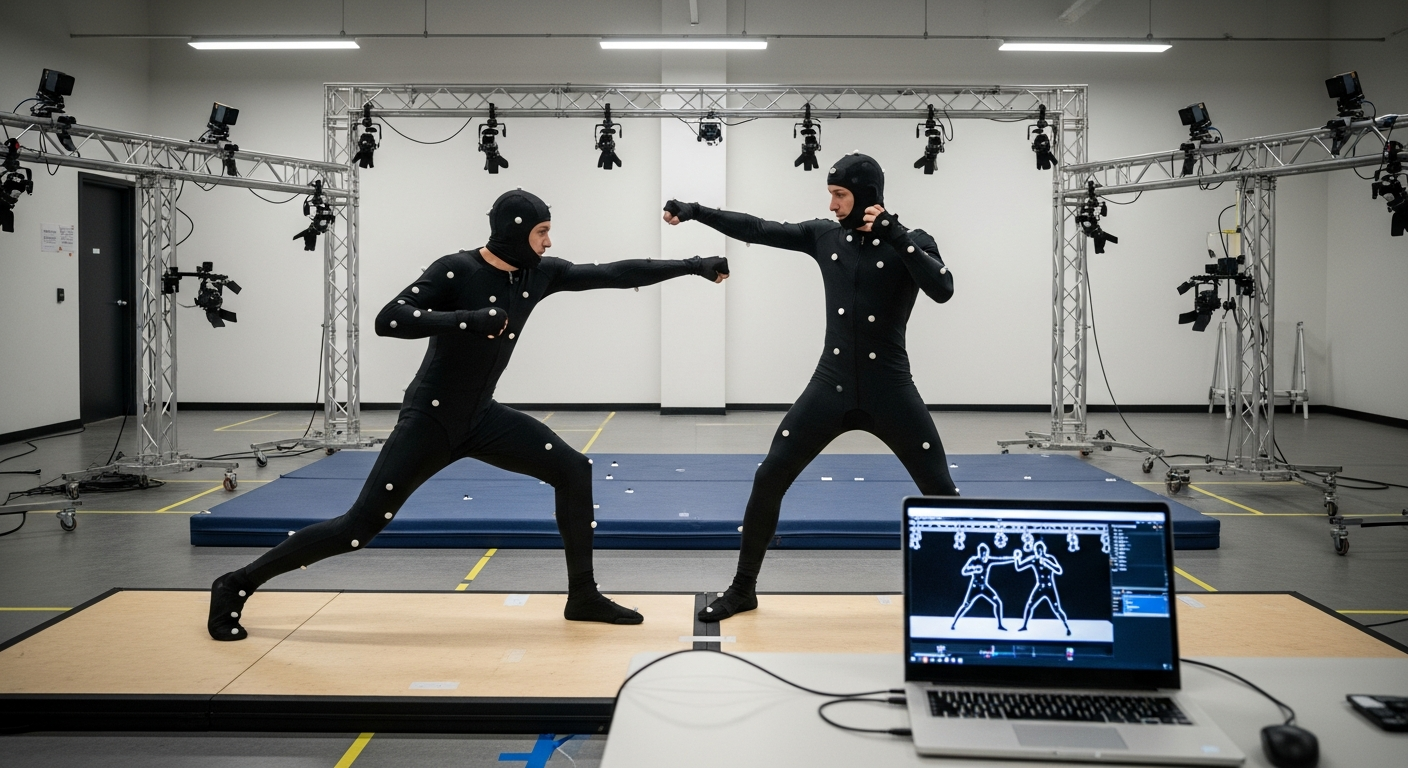
Combat mocap: stunts, fight choreography, weapon handling
Modern AAA games depend on mocap to produce high-quality, lifelike performances.
Why Mocap Is Essential for AAA Characters?
1. It Creates Lifelike, Expressive Performances
Players connect deeply with characters whose expressions and mannerisms feel human.Facial mocap captures:
Micro-expressions
Eye movement
Emotional nuance
Lip-sync accuracy
Character performances become more cinematic and emotionally engaging.This is the same principle explored in how video game animation brings characters to life, where movement quality directly affects emotional storytelling.
2. It Produces Natural Human Motion
Subtle movements—weight shifts, momentum, fluid transitions—are hard to recreate manually. Mocap naturally captures:
Balance
Timing
Kinetics
Personality in motion
Players instantly feel when movement is believable.
3. It Speeds Up Character Animation Production
Instead of hand-animating every action, teams capture dozens of animations in a single session.This allows:
Faster iteration
Larger animation libraries
Higher-quality polish
AAA games often contain thousands of character animations—mocap makes this scalable.
Why Mocap Is Critical for Combat Systems?
Combat is one of the most animation-heavy parts of any AAA game. From martial arts combos to heavy weapon swings and grapples, mocap captures the physicality required for convincing combat.
1. Authentic Movement & Impact
Real fighters, stunt actors, and athletes produce:
Proper weight distribution
Realistic timing
Momentum-based movement
True-to-life impacts
Hand-animated attacks rarely match the natural force of mocapped motion.
2. Better Hit Reactions & Combat Feedback
Getting hit in a game needs to feel right.Mocap supports:
Directional reactions
Stagger animations
Pain responses
Knockdowns
This creates deeper gameplay feedback loops.
3. Cinematic Combat Choreography
AAA action games rely on choreographed fight sequences.Mocap actors can:
Perform complex martial arts
Use real weapon techniques
Execute stunts safely
Work with fight directors
This produces storytelling-driven combat moments that look cinematic yet interactive.
4. Blending Animation for Smooth Combat Flow
Mocap data integrates with animation blending systems:
Attack → dodge → counter → finisherTransitions feel seamless and responsive.
The Mocap Pipeline in AAA Games
Below is a balanced, narrative walkthrough of how mocap fits into production.
1. Pre-Production: Planning & Choreography
Teams define:
Character roles
Movesets
Combat styles
Emotional tone
Narrative needs
Stunt actors and directors rehearse sequences.
2. Mocap Sessions
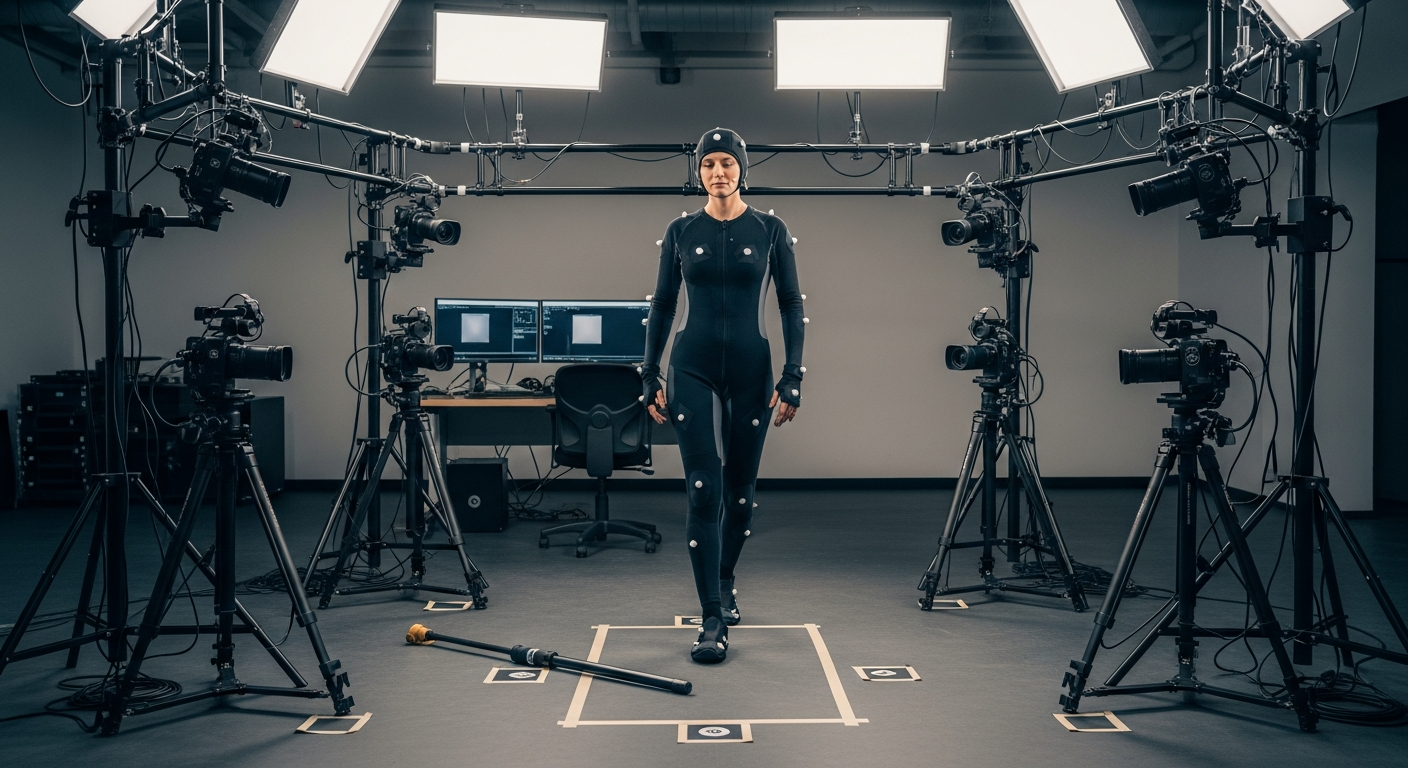
Actors wear mocap suits with markers or sensors.Multiple cameras track movement while performers execute:
Walk cycles
Fight combos
Cinematic scenes
Facial expressions
Environmental actions
High-end studios capture voice, body, and facial performance simultaneously.
3. Data Cleanup & Retargeting
Raw mocap data contains noise.Animators:
Clean foot sliding
Correct marker swaps
Fix joint orientation
Retarget motion to character rigs
This ensures animation reads well on stylized or non-human characters.
4. Animation Polish
Animators refine mocap data to:
Add exaggeration
Fix silhouettes
Emphasize hit impacts
Substitute procedural elements
Adjust timing for gameplay needs
Mocap gives the foundation—animation polish gives the personality.
5. Engine Integration
Animations are added to gameplay systems:
Combat loops
Traversal
Cinematics
State machines
AI characters
NPC behavior
This is where worldbuilding connects with gameplay, similar to insights from how NPCs in video games make worlds feel real.
6. Final Tuning & Testing
Gameplay designers and animators refine:
Timing
Hit detection
Combo transitions
Input responsiveness
Finisher sequences
Combat must feel right, not just look right.
Where Mocap Makes the Biggest Impact?
1. Story-Driven AAA Games
Narrative-heavy titles rely on nuanced emotion and realistic acting:
Facial performance
Subtle gestures
Dialogue-driven scenes
2. Action & Fighting Games
Realistic combat requires proper weight, timing, and physicality.
3. Open-World Games
NPC populations need natural movement cycles to make worlds feel lived-in.
4. Sports Games
Athletic accuracy is crucial for believability.
5. Horror Games
Precise performance makes fear more visceral and grounded.
6. Simulation & Military Titles
Mocap helps match real-life tactics and movement patterns.
Mocap’s Role in Worldbuilding
Mocap doesn’t just animate characters—it enhances the world around them.
Mocap enriches:
NPC crowds
Environmental interactions
Cinematic transitions
Creature animation baselines
Player movement loops
These details support environment design philosophies discussed in why game environment design matters in modern games.
Worlds come alive when characters move believably inside them.
Benefits of Mocap for AAA Game Development
Realistic human motion
Authentic combat choreography
Faster production cycles
Higher emotional expression
Consistent quality across characters
Cinematic storytelling
Deeper player immersion
Better integration with physics and VFX
Mocap helps games achieve both quality and efficiency.
Challenges of Game Mocap
Requires specialized equipment
Needs large studio spaces
Requires experienced stunt actors
Demands complex data cleanup
Not perfect for non-human characters
Can be costly for small teams
However, modern inertial systems and AI-assisted mocap tools continue reducing barriers.
The Future of Mocap in AAA Games
Game mocap is entering a new era defined by AI, real-time engines, and hybrid techniques.
Future trends include:
Markerless AI mocap from video
Real-time mocap inside game engines
Full-body XR-driven performance capture
AI smoothing and auto-cleanup
Procedural + mocap hybrid systems for dynamic combat
Facial mocap using neural networks
Player-generated mocap for UGC and modding
Mocap-driven digital doubles for cinematic integration
The next generation of characters and combat will be smoother, smarter, and more responsive than ever.
Conclusion
Game mocap has become essential for crafting believable characters, cinematic worlds, and responsive combat systems in AAA development. By capturing the physical nuance of real human performance, mocap strengthens storytelling, gameplay feedback, emotional connection, and animation quality. It accelerates production, expands artistic expression, and elevates the immersive potential of next-gen games.
Mimic Gaming, with expertise in real-time animation, mocap pipelines, 3D character creation, and advanced combat system integration, helps studios deliver high-quality, performance-driven characters and combat workflows that define the future of interactive entertainment.
FAQs
1. What is game mocap?
The technique of capturing real human movement and applying it to digital characters in a game.
2. Why is mocap important for AAA games?
It provides realistic movement, emotional depth, smooth combat, and cinematic performances.
3. Does mocap replace animators?
No—animators refine and enhance mocap data to create polished final animations.
4. How is mocap used in combat systems?
It captures fight choreography, weapon movement, hit reactions, and dynamic transitions.
5. What equipment is used for mocap?
Optical systems, inertial suits, facial capture rigs, and performance stages.
6. Can mocap be used for non-human characters?
Yes—with adjustments, but stylized or creature animation may still rely heavily on keyframing.
7. How does mocap improve NPCs?
It creates natural movement cycles and varied behavior patterns.
8. What is the future of mocap?
AI-powered markerless capture, real-time engine integration, and procedural hybrid animation.
 November 18, 2025
 November 17, 2025
 July 30, 2026