Video Game Animation: Gameplay vs Cinematic Pipeline
Learn the video game animation pipeline for gameplay and cinematics, from movement design and mocap to rigging, engine integration, optimization, and QA.
READ ARTICLE ↗
Discuss your project ↗ MIMIC GAMING / BLOG / MOTION CAPTURE
Explore motion capture for games, realistic character movement, mocap technology, and animation workflows.
Go from the capture stage to cleanup, facial performance and the animation data a game can use.
4 ARTICLES
Motion capture is part of a performance pipeline, rather than the final animation delivery. Begin with the movements and acting your game needs, then read about planning a shoot, choosing a partner and preparing captured data for use. Keep the target rig, character proportions and engine requirements in view throughout the process. Consider where keyframe work, cleanup and transitions will still be needed. The guides below help frame conversations between production, performers, animators and technical teams so that the capture brief matches the intended gameplay or cinematic sequence.

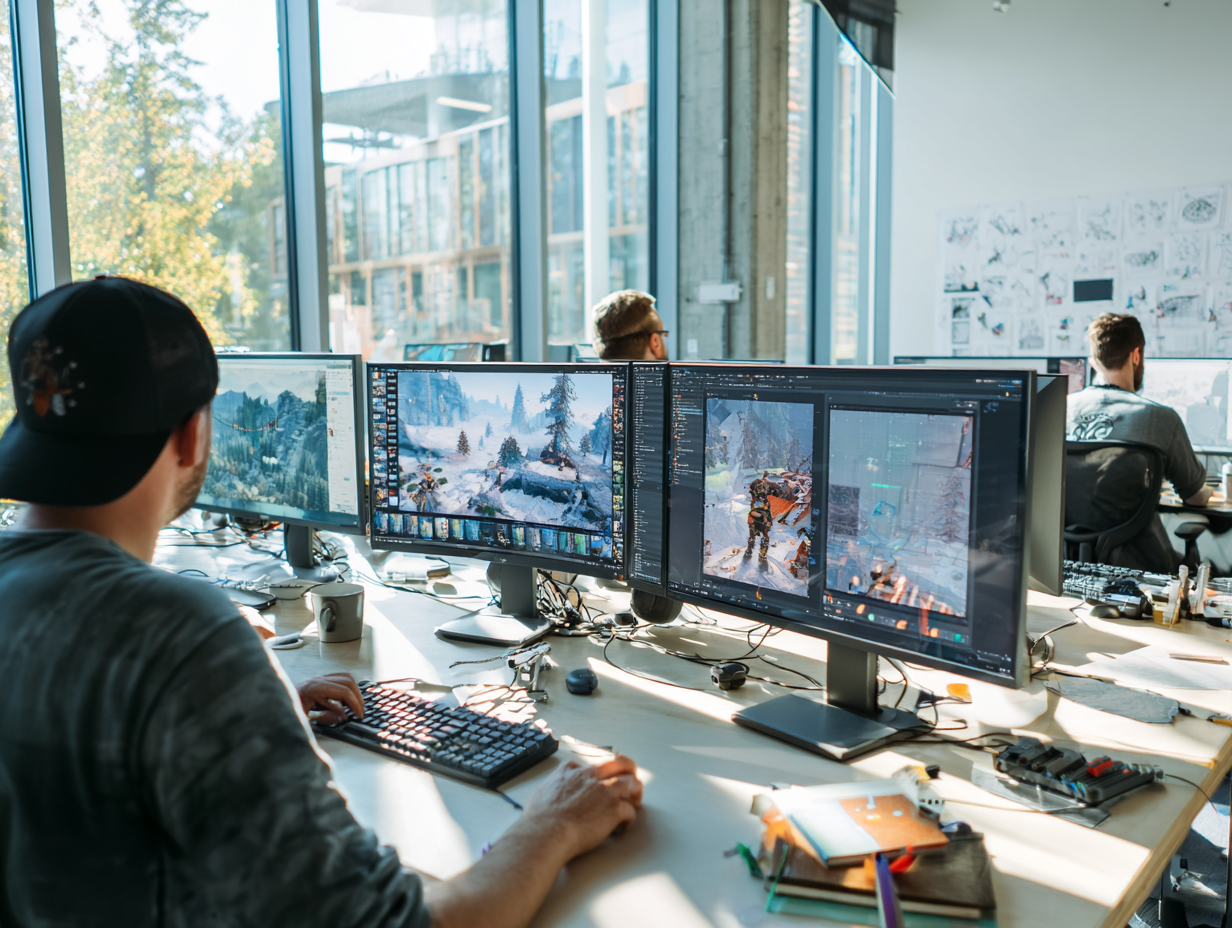
Learn the video game animation pipeline for gameplay and cinematics, from movement design and mocap to rigging, engine integration, optimization, and QA.
READ ARTICLE ↗
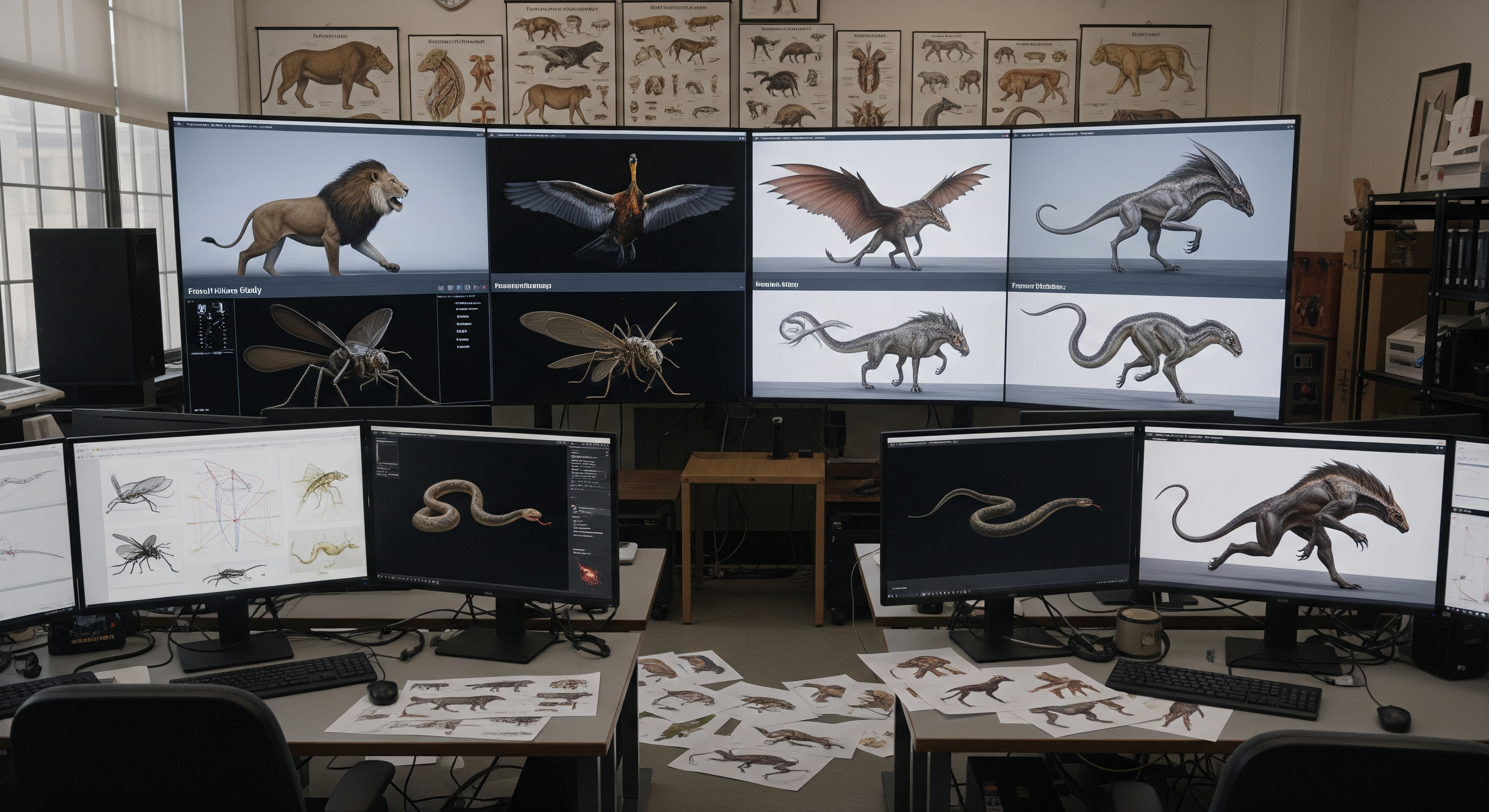
Plan creature animation for games with a practical pipeline for biomechanics, mocap, rigging, combat readability, engine blending, and QA.
READ ARTICLE ↗
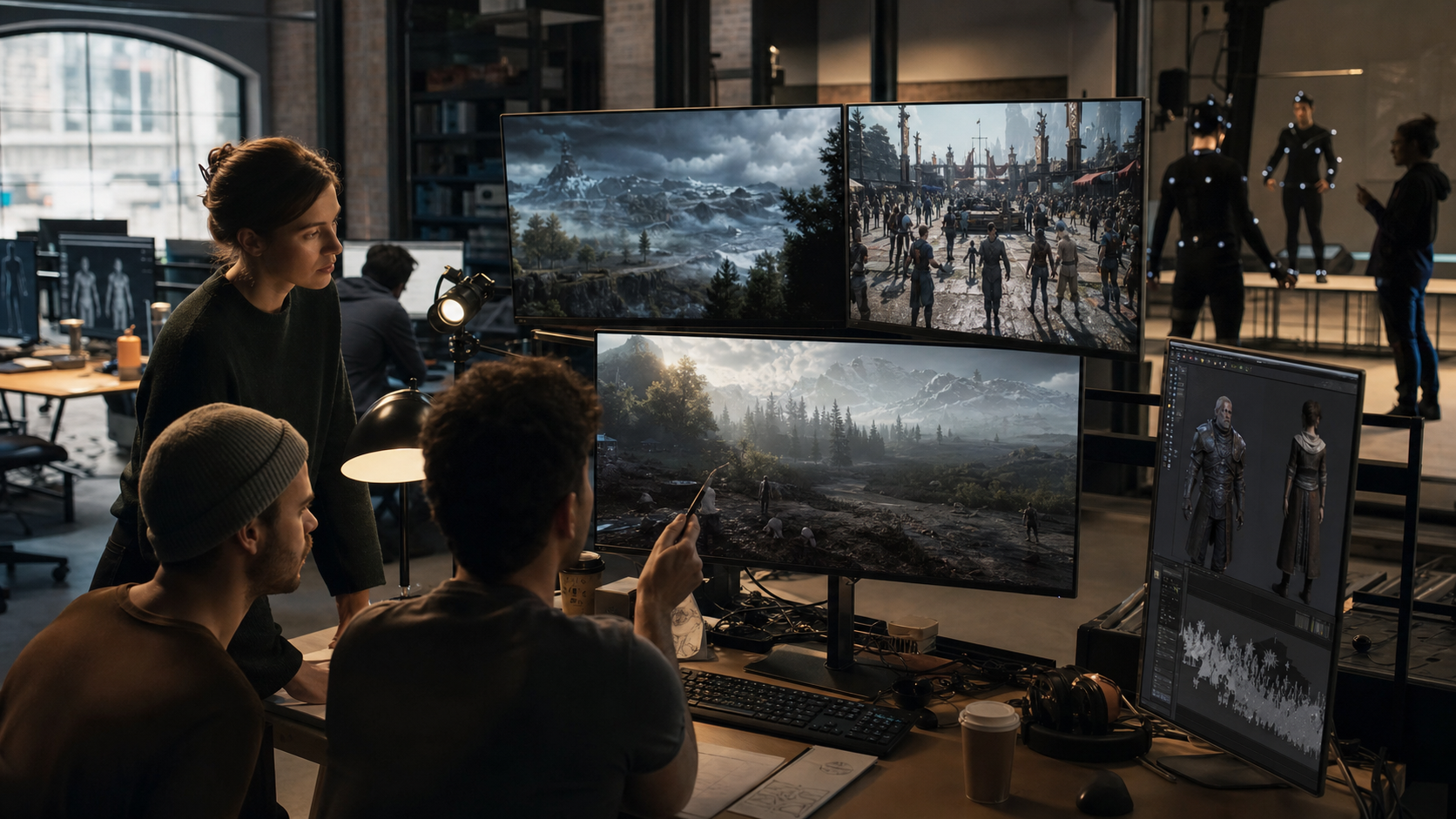
Learn how game simulation helps studios test NPCs, crowds, weather, physics, animation, and AI systems before launch.
READ ARTICLE ↗
Learn how game trailer production turns gameplay, cinematics, mocap, VFX, and engine-ready assets into launch-ready marketing for modern studios.
READ ARTICLE ↗