
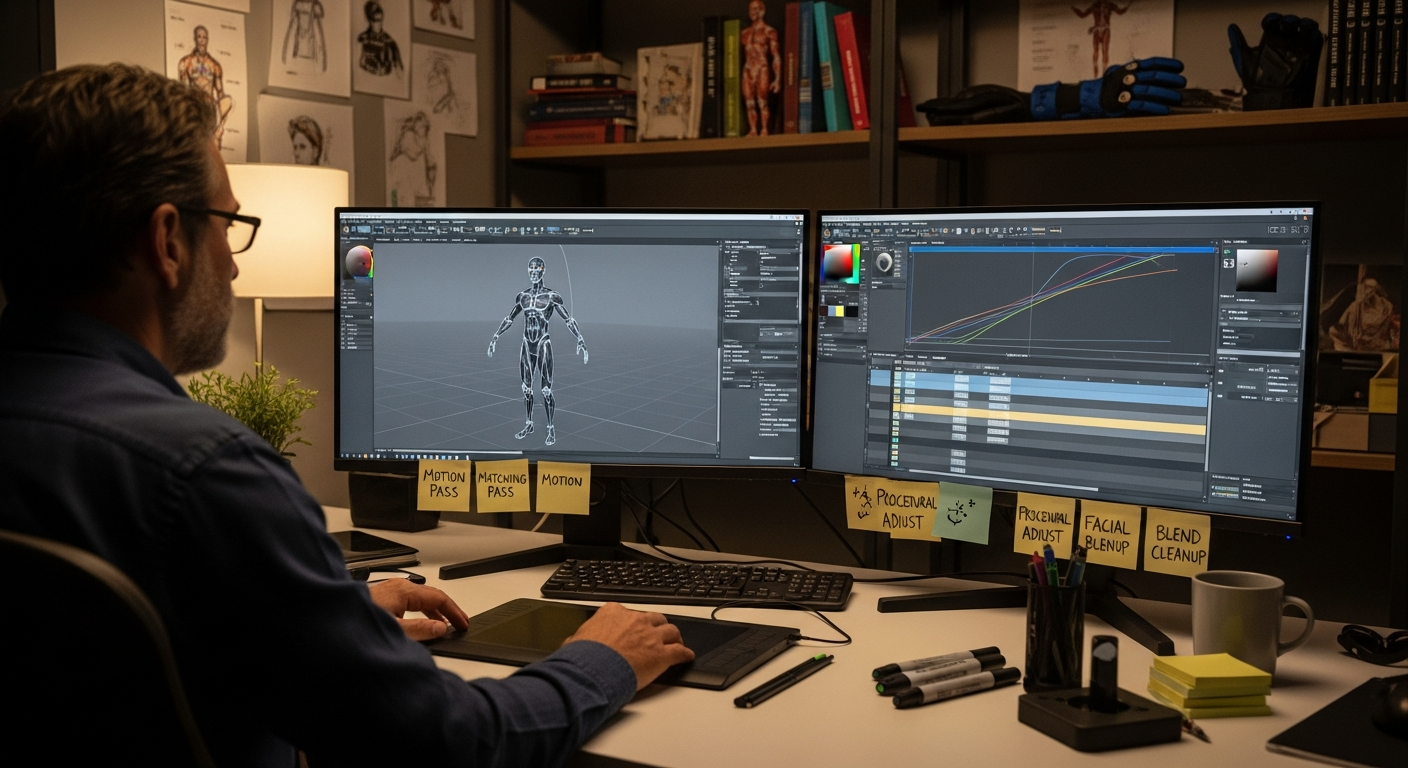
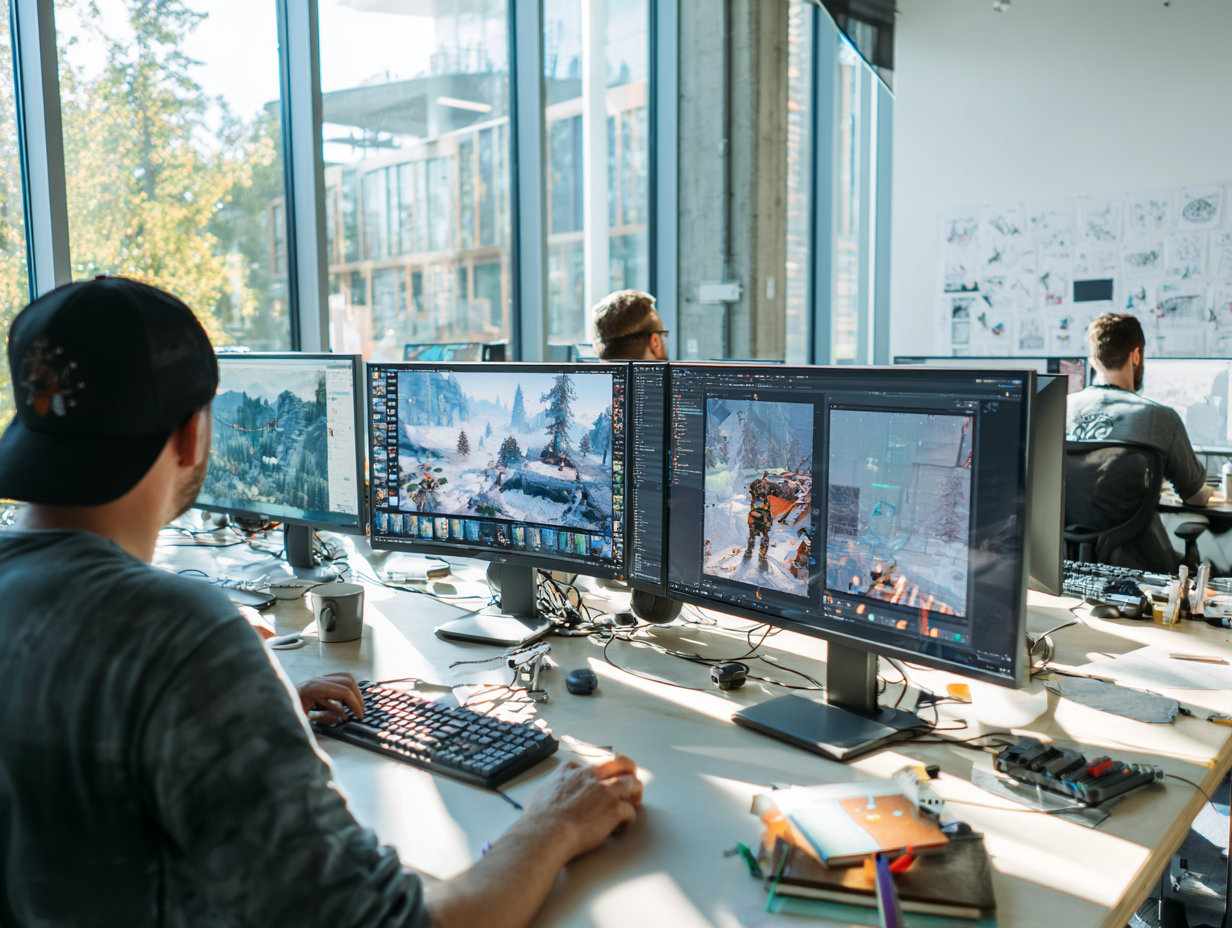
Game animation has grown into one of the most complex art and technical pipelines in interactive entertainment. Every movement a player sees on screen, from a simple walk cycle to an acrobatic combat sequence, results from dozens of layered animation systems working together. In modern titles, animation is far more than character movement. It is the force that drives emotional storytelling, combat responsiveness, world believability, and overall gameplay feel.
Today’s players demand smooth transitions, responsive actions, and lifelike reactions that stay coherent across hundreds of gameplay scenarios. This level of polish requires a combination of mocap, keyframe animation, procedural systems, motion blending, and physics-based adjustments. Animation systems do not work in isolation. They communicate with game logic, physics engines, environmental design, and player input to create an experience that feels fluid and natural.
This article explores how animation pipelines evolved from basic keyframes to advanced motion blending systems and why animation is one of the most influential pillars of realistic gameplay.
Animation Is the Emotional Core of Game Characters
Even the best-designed characters feel lifeless without expressive movement. Animation shapes how players connect with a character and how they interpret personality, tone, and emotional state.
Games use:
body language
facial animation
idle motion
reaction poses
micro gestures
weight shifts
These details bring digital characters to life, aligning with fundamentals explored in character animation techniques.
A character’s personality is communicated first through movement, long before dialogue or story.
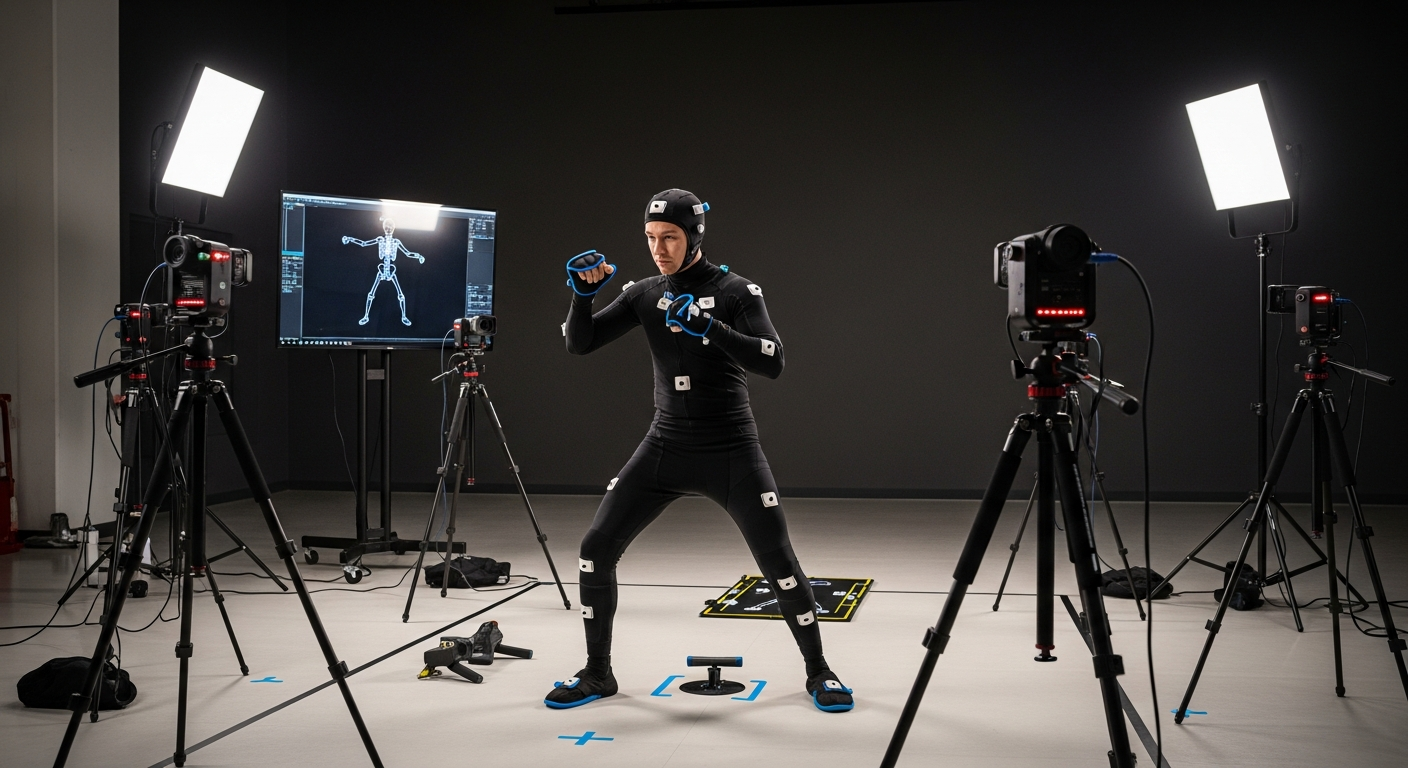
Mocap Introduced Real Human Performance Into Games
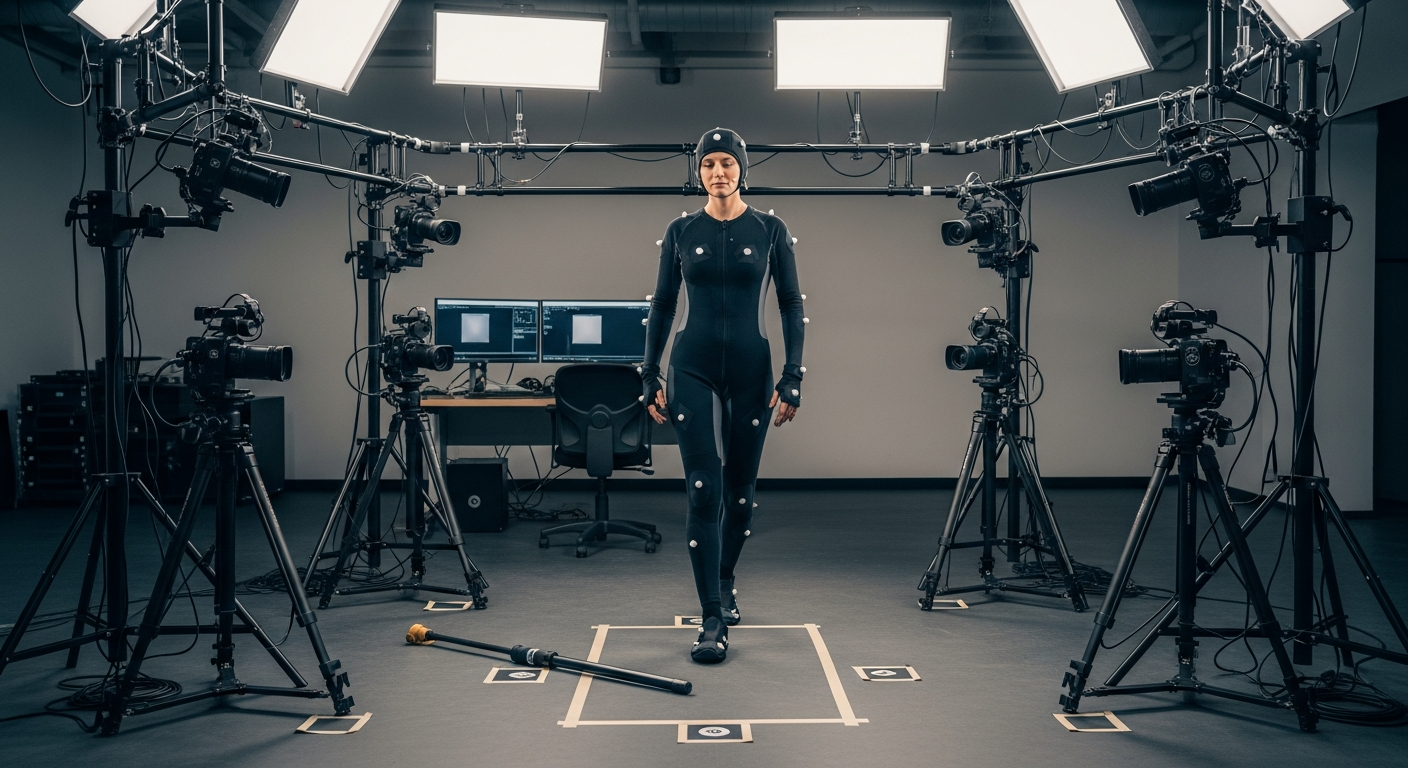
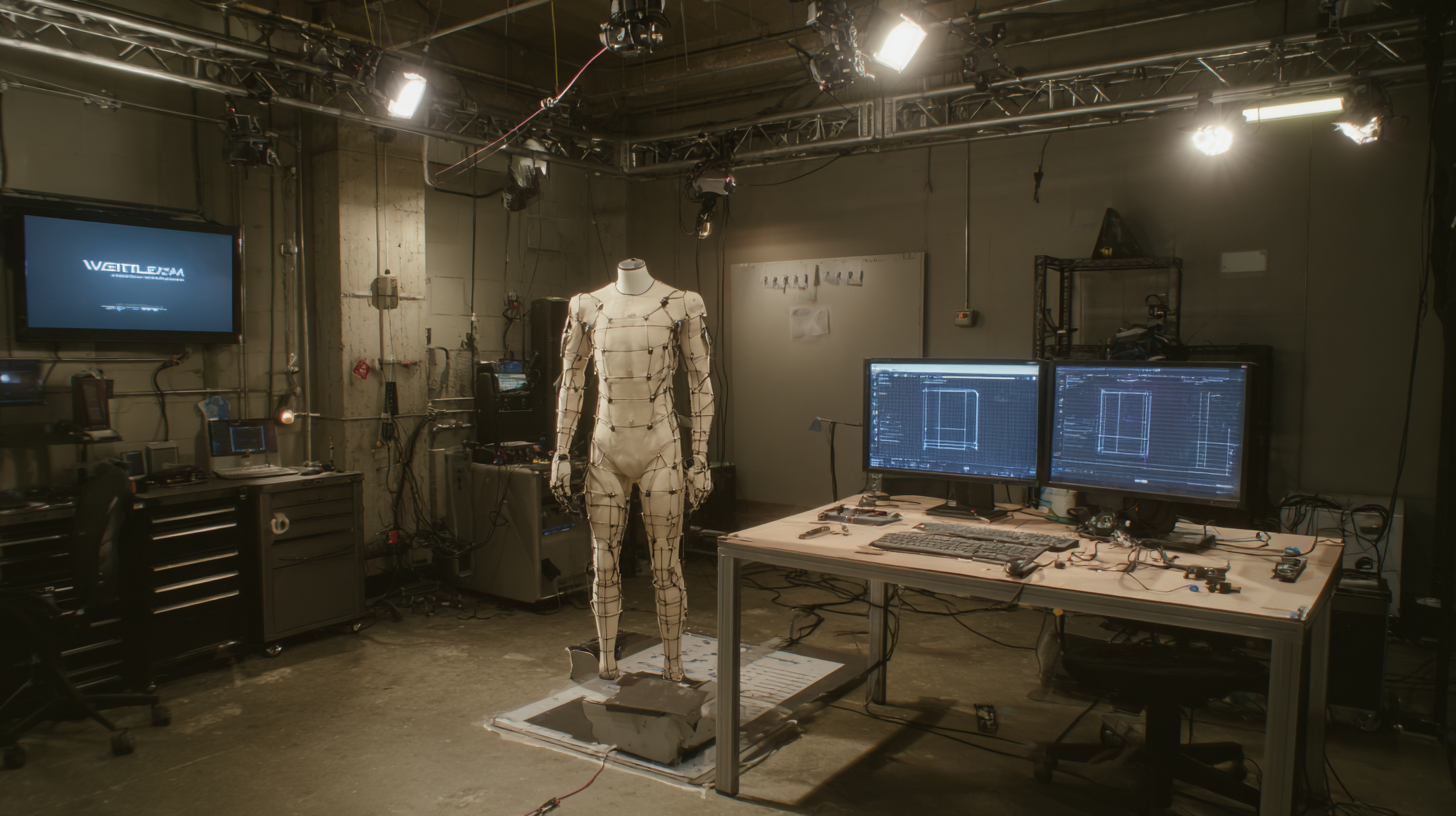
Motion capture became a milestone in game animation. By recording real actor movement and applying it to digital characters, developers gained access to natural timing, weight balance, and subtle movements that are almost impossible to animate manually.
Studios use mocap to capture:
walking and running
combat movement
cinematic scenes
facial expression
hand gestures
stunts
These mocap elements reflect workflows explained in mocap-driven character pipelines.
Mocap does not replace animation. It gives teams a detailed foundation that animators refine, exaggerate, and adapt to stylized or gameplay-driven needs.
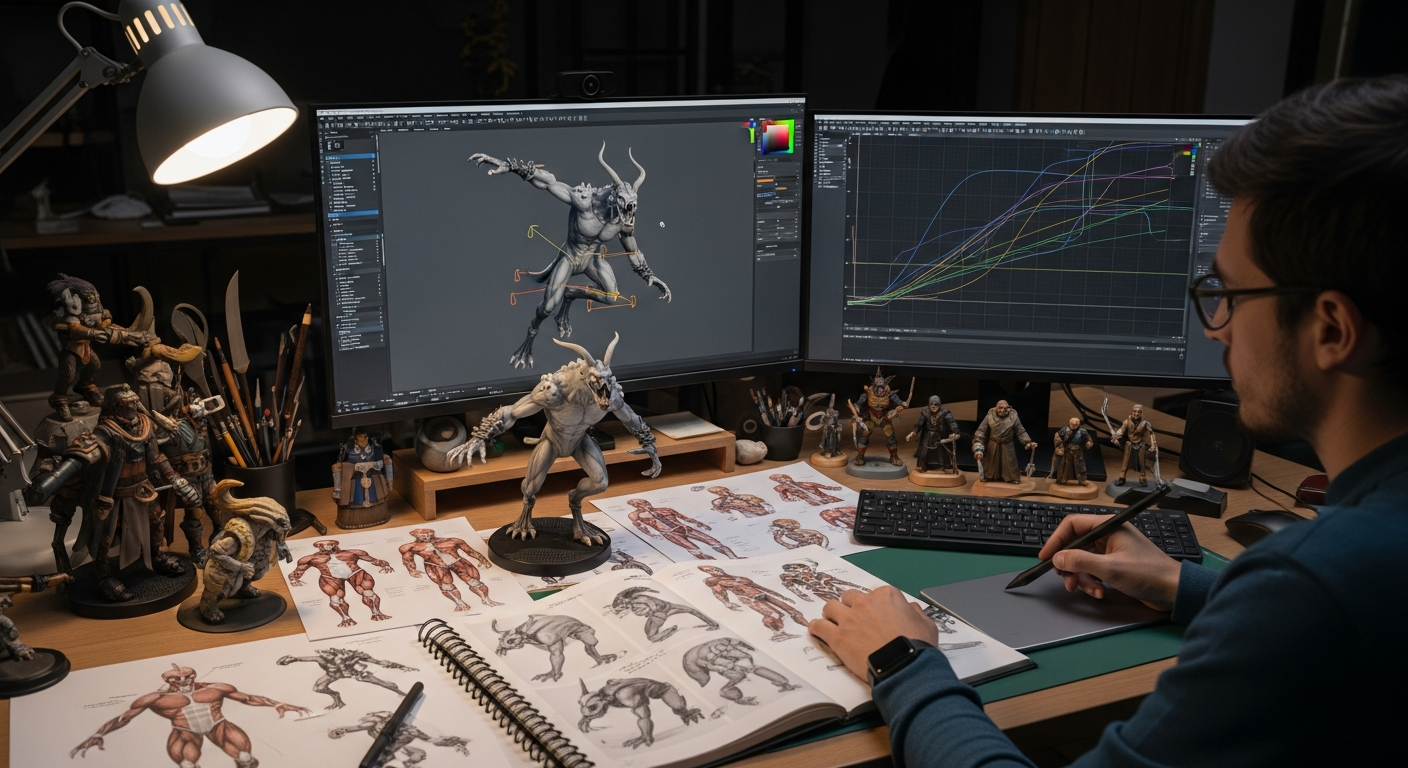
Keyframing Still Drives Style and Artistic Direction
Despite mocap’s realism, keyframe animation remains essential.Certain movement styles cannot be captured in real life, such as:
non-human creatures
stylized hero poses
exaggerated movement in action titles
magical or supernatural animation
complex parkour or combat moves
Keyframing ensures consistency and artistic identity. It supports mocap by correcting inaccuracies and adjusting timing for gameplay responsiveness.
Keyframe animators also craft transitions that mocap cannot provide.
Motion Matching and Motion Blending Create Smooth Transitions
Older games used animation trees with predefined transitions. Modern animation systems use motion blending and motion matching.
Motion matching
The engine analyzes player input and selects the best animation snippet from a large database. This creates movement that feels natural and free of stiff transitions.
Motion blending
Animations are layered and blended. For example:
run blended with aim
walk blended with reload
jump blended with landing recoil
crouch blended with weapon switching
Motion blending systems let characters adapt realistically to dynamic situations without noticeable jumps.
This brings a level of believability expected in modern gameplay.
Physics-Based Animation Adds Realistic Weight and Impact
Physics engines now influence animations in subtle ways. For example:
ragdoll reactions in combat
hair and cloth movement
reactive armor and accessory simulation
environmental interaction such as branches and foliage
weapon recoil influence on posture
These systems work together with animation logic to make interactions feel grounded.
Environmental interaction supports the world-building goals explored in game environment design insights.
Characters must not only move well but also fit seamlessly into their surroundings.
Procedural Animation Helps Characters Adapt To Each Moment
Procedural animation modifies or enhances existing animations based on player input and environment.
Examples:
foot placement adjusting to uneven ground
leaning during rapid turns
dynamic balance during movement stops
character rotation based on aiming
procedural aim offset calculations
adaptive breathing movement during long idle states
Procedural systems help characters respond fluidly instead of relying solely on pre-authored clips.
Facial Animation Has Become As Important As Body Animation
Modern games prioritize facial expression because emotional storytelling depends on it. Developers use:
facial mocap
blendshapes
muscle simulation
wrinkle maps
micro gesture systems
These tools help characters convey fear, confidence, pain, surprise, and subtle emotional notes. This raises the quality of narrative scenes and builds a stronger player connection.
Animation Directly Impacts Gameplay Responsiveness
Animation is not only visual. It affects:
input timing
hit registration
combo flow in combat
parkour and traversal systems
character state changes
weapon handling
Responsive animation determines whether gameplay feels satisfying or sluggish.
Developers design animations with gameplay in mind, ensuring each movement supports control flow, timing, and player feedback.
AI Supports Animation Through Cleanup and Predictive Movement
AI tools help animators process mocap data quickly, adjust joint movement, enhance fluidity, and remove errors. AI-based systems can also:
predict character motion
adjust transitions automatically
smooth jittery frames
identify needed animation variations
assist in procedural blending
This saves time and allows animators to focus on expressive work.
The Future of Game Animation
Over the next decade, animation will become more intelligent, adaptive, and player-responsive.
Expected advancements include:
AI models generating variants in real time
fully procedural locomotion systems
real time emotional animation blending
hyper realistic facial capture
deeper integration between animation and physics
continuous motion prediction based on input
simulations that influence micro movement
As animation technology evolves, games will feel more natural, emotional, and lifelike than ever before.
Conclusion
Game animation is the invisible force that shapes every moment of gameplay. From mocap and keyframing to motion blending and physics-based systems, animation defines how characters move, interact, and express personality. It drives realism, responsiveness, and emotional connection. Today, studios use advanced animation tools supported by streamlined workflows and services found on the Mimic Gaming services page to produce animation pipelines at scale.
Realistic animation is not only an artistic challenge but a technical foundation of modern gaming. It ensures the player experience feels fluid, believable, and satisfying from start to finish.
FAQs
1. Why is animation important in modern games?
Animation shapes realism, responsiveness, and emotional connection for characters and gameplay.
2. What role does mocap play in game animation?
Mocap captures natural human movement and provides a base for polished animation.
3. Do games still use keyframe animation?
Yes. Keyframing adds style, exaggeration, and precision for movements mocap cannot produce.
4. What is motion blending in games?
Motion blending combines multiple animations to create smooth transitions.
5. How do physics systems affect animation?
They add weight, impact, and environmental interaction.
6. Can AI improve animation pipelines?
AI speeds up cleanup, transitions, motion prediction, and variation creation.
7. What makes animation feel responsive in gameplay?
Timing, transitions, and how quickly the movement reacts to player input.
8. What is the future of game animation?
Fully procedural motion, AI-enhanced expression, improved blending, and deeper physics link.
 November 18, 2025
 July 16, 2026
 June 5, 2026