
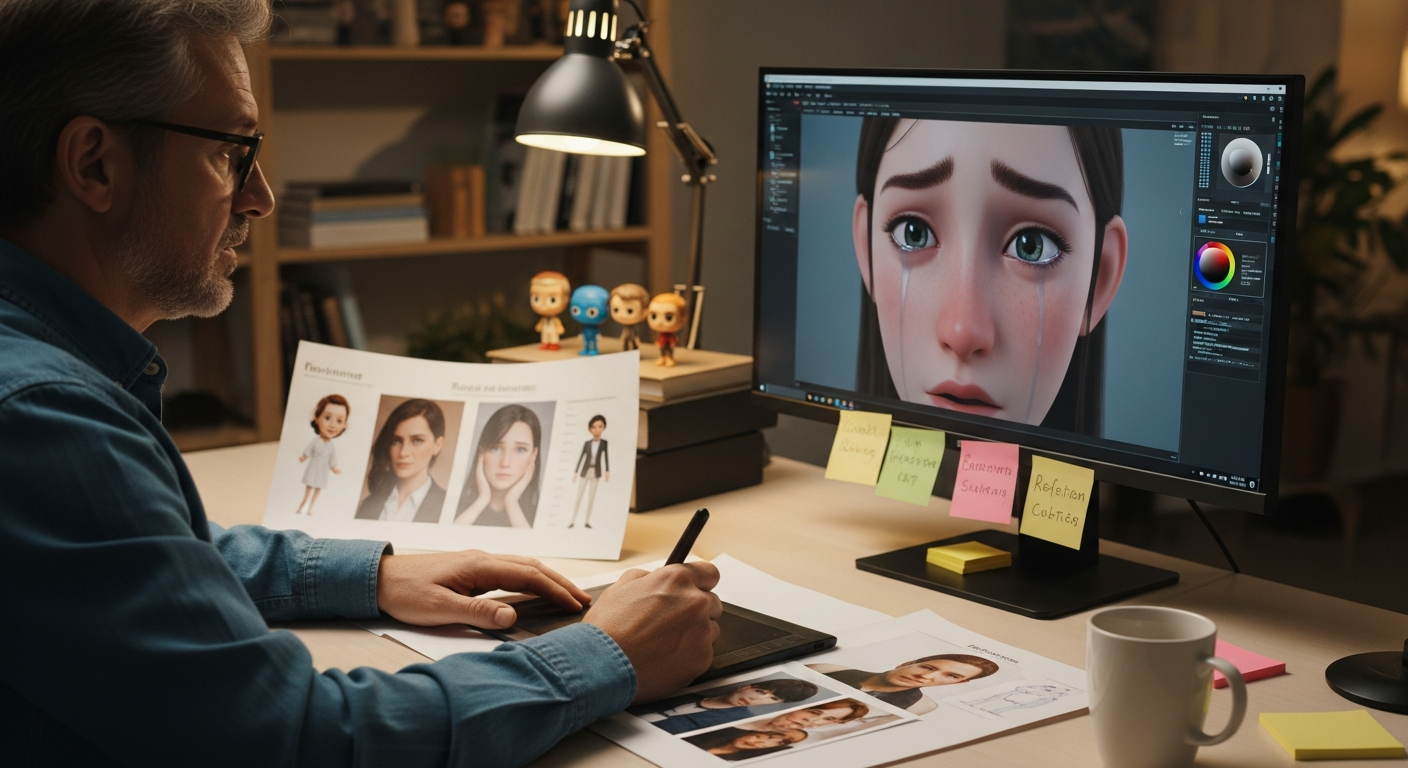
Game storytelling has evolved far beyond text boxes and static cutscenes. Modern games rely on movement, expression, and subtle physical behavior to convey emotion—often without a single line of dialogue. The key to this transformation is animation. Whether it’s a character’s trembling hands, a quiet glance between companions, or a desperate stumble after a tough battle, animation reveals what characters feel long before they speak.
Today’s players expect cinematic emotion, believable performances, and storytelling that unfolds through body language as much as through words. As a result, animation has become one of the most powerful narrative tools in game development. High-quality movement, facial nuance, and expressive reactions turn simple plot points into memorable emotional moments.
This guide explores how animation elevates emotional storytelling, why it matters for character development, and how modern pipelines help studios craft cinematic game performances.
Why Animation Is Central to Emotional Storytelling?
1. Body Language Speaks Before Words
Human communication is primarily nonverbal — tone, posture, facial expression, timing, and movement shape how we understand emotion.Animation captures those details.
When a character shifts weight nervously, relaxes around friends, or recoils in fear, players understand the emotion instantly.The techniques used to create these subtle movements connect naturally with the principles behind how video game animation brings characters to life, where expressive movement amplifies character depth.
These micro-expressions create emotional storytelling without relying on exposition.
2. Facial Animation Adds Humanity to Digital Characters
Modern storytelling depends on highly expressive faces. A slight raise of an eyebrow or tightening of a jaw can convey:
fear
anger
doubt
hope
empathy
distrust
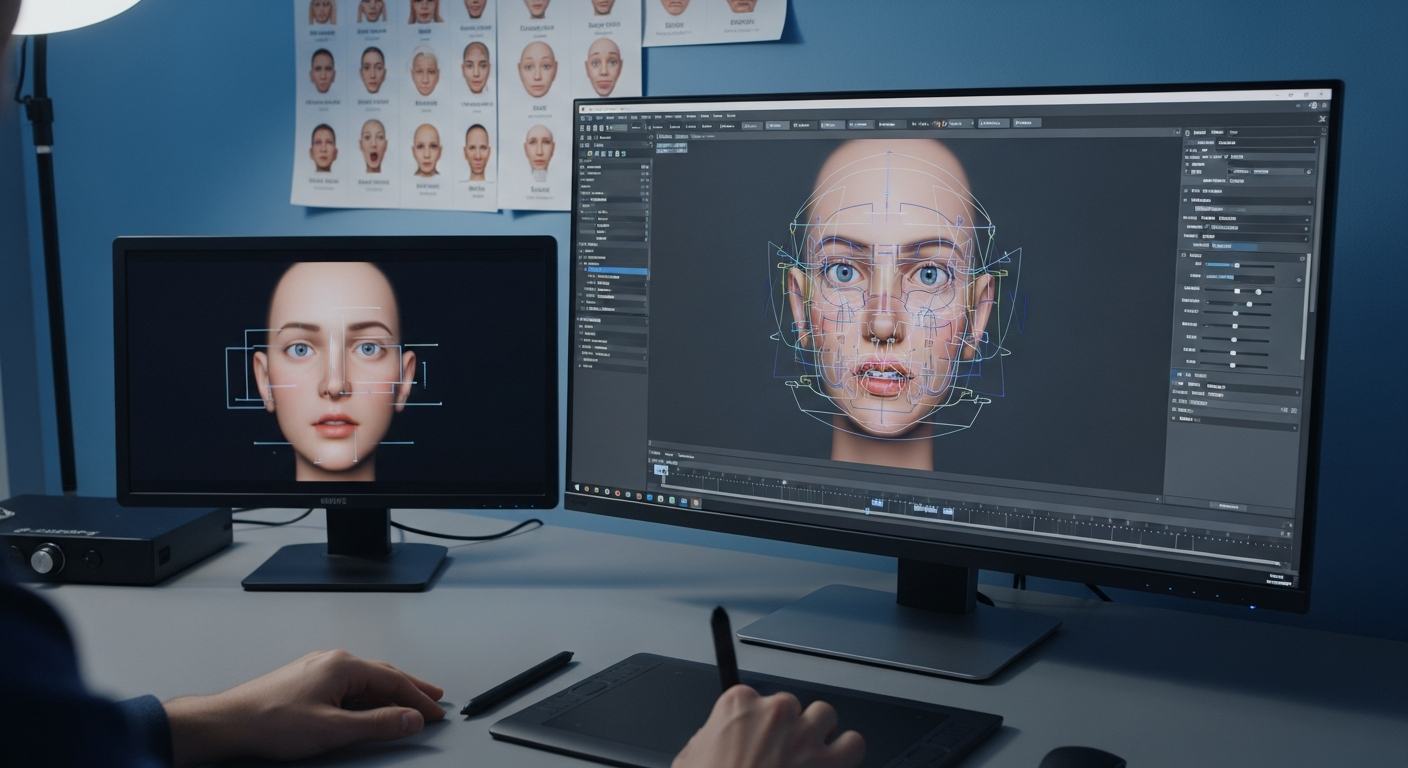
Facial animation transforms digital characters into emotional beings players care about. Games like The Last of Us, God of War Ragnarök, and Final Fantasy XVI rely heavily on facial nuance to drive narrative intensity.
3. Mocap Elevates Performance and Authenticity
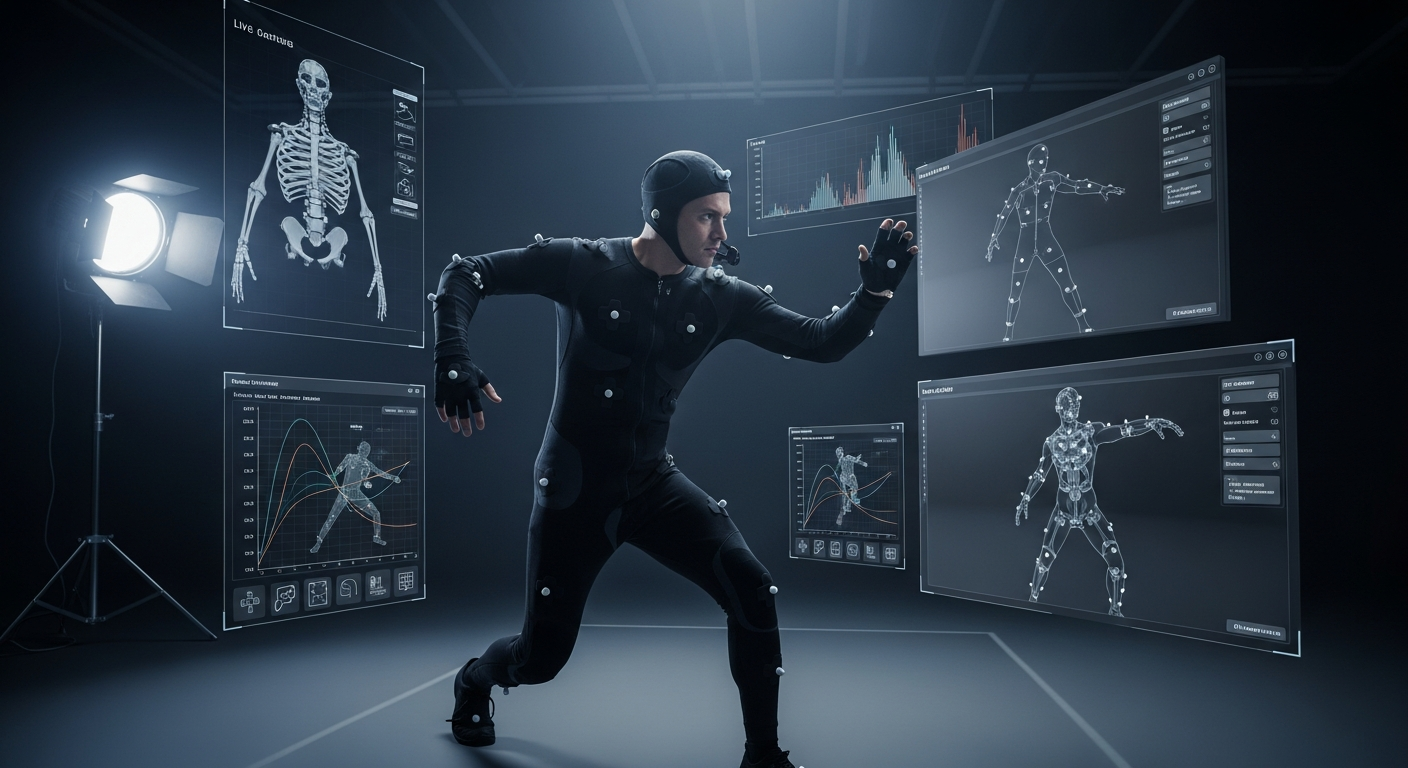
Performance capture brings real human emotion into digital characters.Actors’ movements — from sighs to tension changes — become part of the performance.
Studios lean on realistic animation pipelines supported by mocap tools, aligning well with the workflows described in why game mocap is essential for AAA Characters.
With mocap:
cinematics feel cinematic
emotional beats hit harder
dialogue scenes gain depth
combat animations feel grounded
This fusion of acting + animation is now core to AAA storytelling.
4. Animation Builds Character Identity Through Movement
Every character has a unique way of moving:
A confident hero strides with purpose
A timid NPC shuffles quietly
A villain moves with rigid precision
A wounded warrior limps with weight and pain
These movement signatures define personality and emotional arcs.
Animation becomes a tool for storytelling — not just motion.
How Animation Enhances Emotional Moments?
1. Emotional Timing and Cinematic Rhythm
Animation controls the timing of emotional beats:
the pause before a confession
the hesitation before a difficult choice
the slow exhale after a moment of danger
Good animation understands pacing, letting emotion breathe.
2. Environmental Reactions Amplify Emotion
Characters don’t exist in isolation — they interact with the world around them.
Examples:
A grieving character brushes their hand over a memorial
A frightened NPC hides behind debris
A tired hero collapses near a campfire
These organic reactions connect with worldbuilding techniques found in how NPCs in video games make worlds feel real. The environment becomes part of the emotional storytelling.
3. Emotional Combat & Action Animation
Combat isn’t only mechanical — it’s emotional.
Animation helps communicate:
anger in heavy strikes
fear in evasive movement
desperation in last-minute dodges
confidence in fluid combos
Players feel more connected when action reflects inner emotion.
How Modern Animation Pipelines Support Storytelling?
1. Real-Time Rendering Enhances Emotional Impact
Beautiful lighting, shadows, and reflections elevate animation dramatically.The glow of a candle on a character’s face or the harsh flicker of neon signs can push emotional intensity much higher.
These visuals rely on breakthroughs similar to those explored in the evolution of real-time rendering for next-gen visuals, where lighting and shading help narrate emotional tone.
2. Procedural Animation Blends with Keyframing & Mocap
Modern animation systems mix:
keyframed emotion
mocap realism
procedural reactions (e.g., balance shifts, physics-based movement)
This hybrid approach creates characters who feel grounded yet expressive.
3. Emotional AI Behaviors Through Animation
AI drives emotional reactions through animations:
NPCs look scared in dangerous areas
companions celebrate victories
townspeople cheer, flee, or panic
enemies retreat when low on health
Animation provides the emotional output of AI systems.

Animation in Different Game Genres
Action-Adventure
Animation sells drama, tension, and relationships.
RPGs
NPC emotion, dialogue scenes, and branching story arcs rely heavily on expressive performance.
Horror
Animation controls fear — both in player characters and terrifying creatures.
Narrative Games
Games like Life is Strange, Detroit: Become Human, or Firewatch depend on subtle movement and micro-expression.
Open World
Exploration feels deeper when characters react to environments and world events organically.
Benefits of Using Animation for Emotional Storytelling
Deeper character attachment
More cinematic experiences
Higher narrative impact
Stronger immersion
More believable NPCs
Emotional consistency across scenes
Richer visual storytelling
Greater expressive freedom for actors and animators
Great animation doesn’t just show movement — it shows meaning.
Challenges of Animation-Driven Emotion
High production cost
Need for sophisticated rigs
Requires skilled animators
Difficult facial work
Performance budget constraints
Real-time rendering limitations
Yet even with these challenges, emotional animation has become essential for AAA games.
Future Trends: How Animation Will Evolve Storytelling?
1. AI-Driven Emotional Animation
Characters will adapt expressions in real time based on player behavior.
2. Performance-Capture Everywhere
Small studios will access mocap-quality tools without expensive stages.
3. Procedural Emotion Systems
NPCs will display evolving emotional arcs tied to world events.
4. Real-Time Face Animation from Audio
AI lip-sync and emotion synthesis will speed up production.
5. Hybrid Stylized + Realistic Emotion
Games will blend style and realism to broaden emotional impact.
6. More Reactive Worlds
Characters will respond emotionally to weather, crowds, danger, and world simulation.
Conclusion
Animation is one of the most powerful storytelling tools in gaming. It gives characters emotional authenticity, connects players to narrative arcs, and transforms digital spaces into worlds filled with life and meaning. Through expressive movement, performance capture, real-time rendering, and AI-driven behaviors, animation elevates storytelling far beyond dialogue alone.
Mimic Gaming, with its deep expertise in real-time animation, mocap workflows, environment interaction, and performance-driven character development, helps studios create emotionally rich stories that resonate with players on a deeper level.
FAQs
1. Why is animation important for storytelling in games?
It conveys emotion, personality, and narrative nuance without relying solely on dialogue.
2. Can animation make NPCs feel more alive?
Absolutely — expressive movement and reactions build emotional connection.
3. How does mocap contribute to storytelling?
It captures real human emotion and translates it into digital characters.
4. Does real-time rendering affect emotional storytelling?
Yes — lighting and shading dramatically enhance emotional scenes.
5. Which genres benefit most from emotional animation?
RPGs, narrative games, action-adventures, and open-world titles.
6. Will AI change how animation supports storytelling?
AI will automate facial expression, emotional reaction, and adaptive performance.
7. Do indie games use emotional animation too?
More than ever — tools like Metahuman, mocap suits, and AI animation make it accessible.
 November 18, 2025
 December 30, 2025
 November 17, 2025