
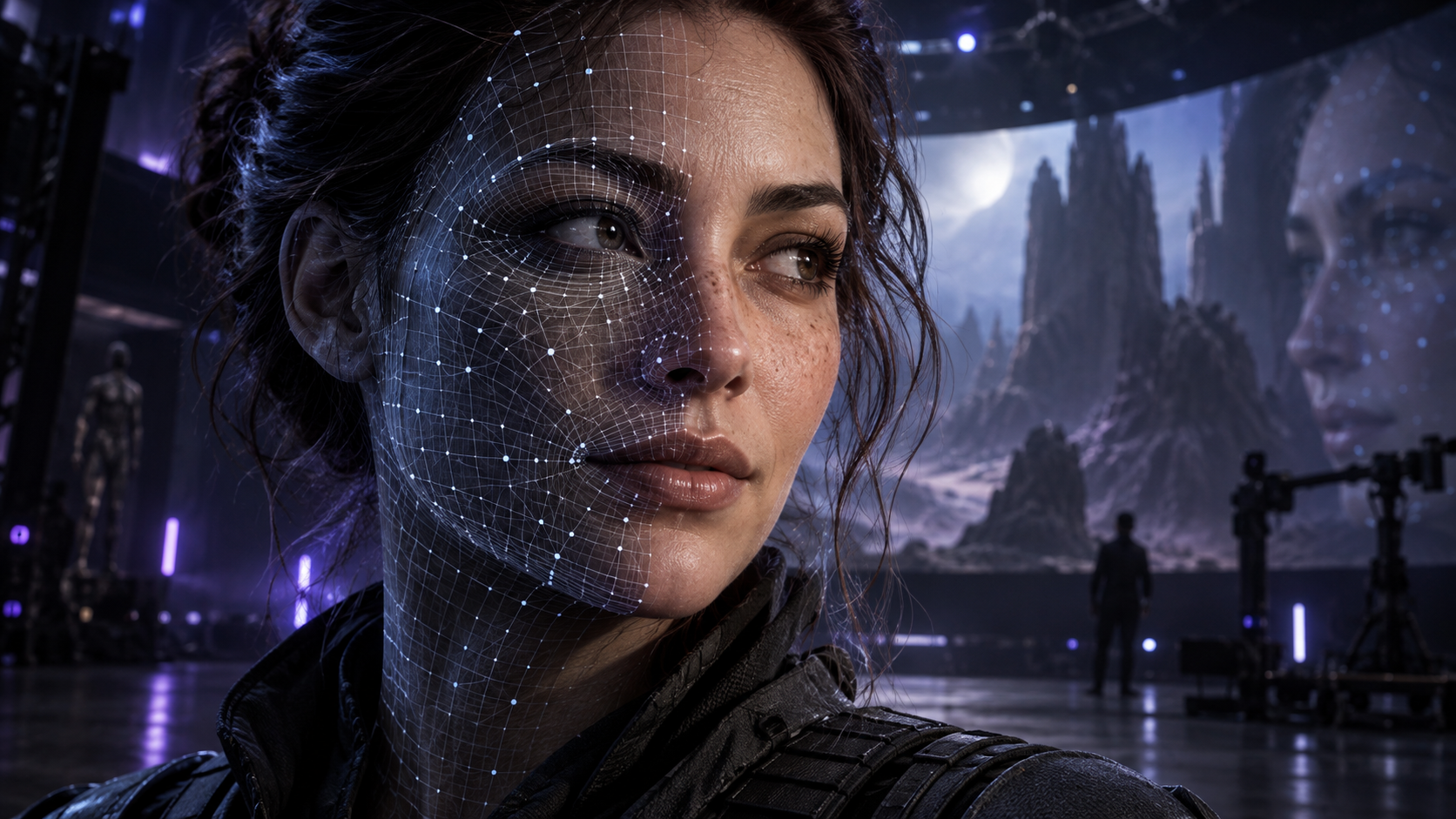
NPCs are the heart of game worlds. They talk, fight, react, trade, guide, and populate the environments players explore. But for decades, NPC design has been one of the most challenging aspects of game development: time-consuming, labor-intensive, and often inconsistent across a large production.
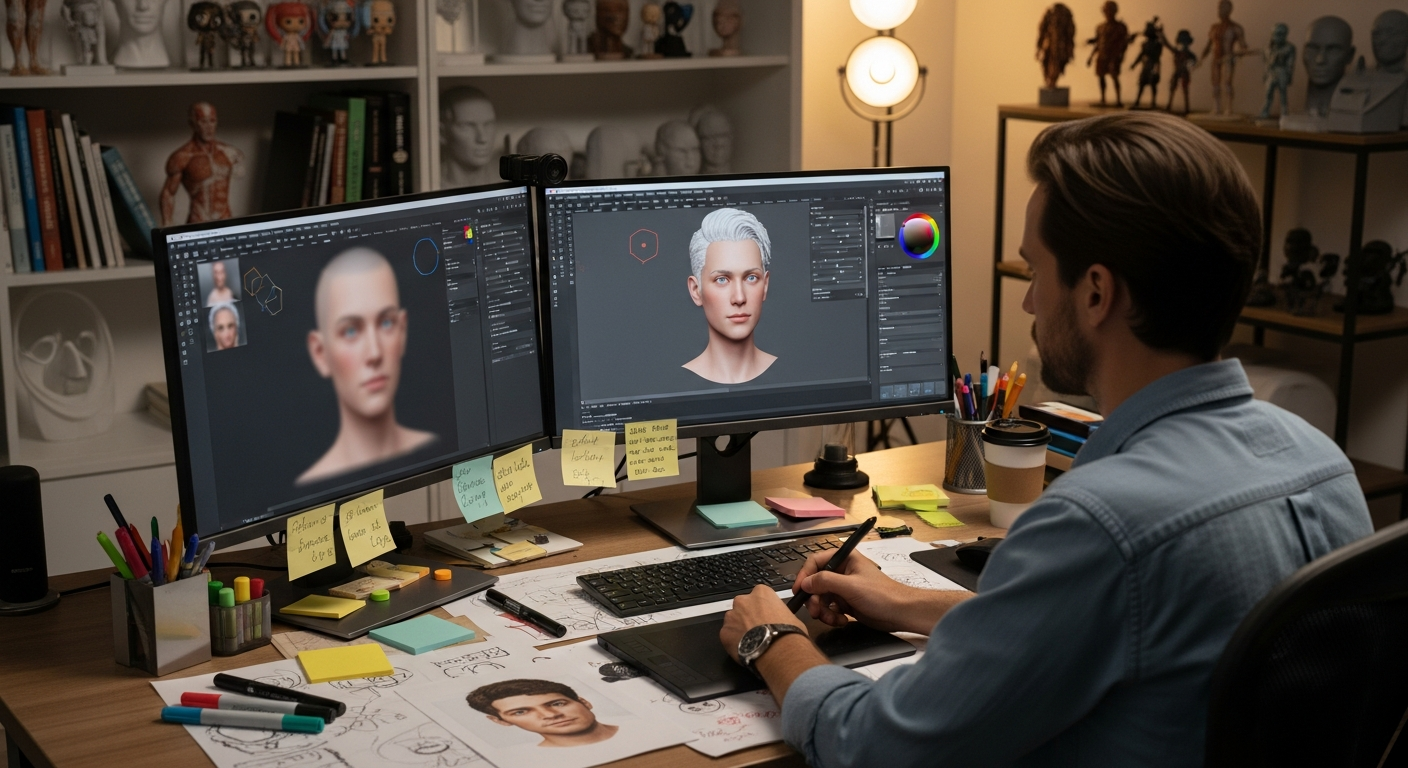
Metahuman workflows are changing that. By enabling ultra-realistic digital humans with advanced rigs, detailed facial systems, and next-gen animation-ready meshes, Metahuman technology gives studios a faster, more powerful way to create expressive, believable characters. Instead of spending months building a single face or refining a complex rig, teams can generate high-fidelity NPCs quickly — without sacrificing cinematic quality.
The result? Worlds filled with characters that feel emotionally real, visually consistent, and incredibly reactive. This shift is redefining what players expect from NPCs, pushing games closer to film-quality character performance at scale.
What Is Metahuman?
Metahuman is a next-generation pipeline created for building realistic digital humans quickly, powered by high-fidelity face rigs, advanced shaders, scalable hair systems, and animation-ready meshes. It streamlines character creation while dramatically increasing visual quality.
Metahuman characters come with:
Detailed facial geometry
Strand-based hair
High-quality skin shaders
Advanced rigs for facial & body motion
Compatibility with mocap, blendshapes, and procedural systems
Ready-to-animate assets inside Unreal Engine
It’s not just a tool — it’s a complete workflow that modern studios rely on for believable digital humans.
Why Metahuman Matters for NPC Design?
1. NPCs Become More Realistic and Emotionally Expressive
Players connect deeply with characters when they can read subtle expressions — micro-movements, brow tension, soft smiles, eye focus, and emotional nuance. These qualities used to take enormous effort to achieve manually.
Metahuman workflows let studios start with facial rigs so expressive that even minor animation details feel alive. This realism naturally enhances the emotional presence of NPCs, building on ideas explored in how NPCs in video games make worlds feel real, because believable faces dramatically strengthen immersion.
2. Faster Production Without Losing Quality
Traditionally, building a single high-quality NPC required:
Modeling
Sculpting
Retopology
Rigging
Texturing
Facial & body blendshapes
Shading
Optimization
A full pipeline like that can take weeks or months.
Metahuman cuts that timeline drastically.Teams can generate baseline characters instantly, then customize:
facial features
proportions
textures
hairstyles
clothing
This reduces production time massively — especially in open-world games with hundreds of NPCs.
3. Seamless Integration With Mocap for Natural Performance
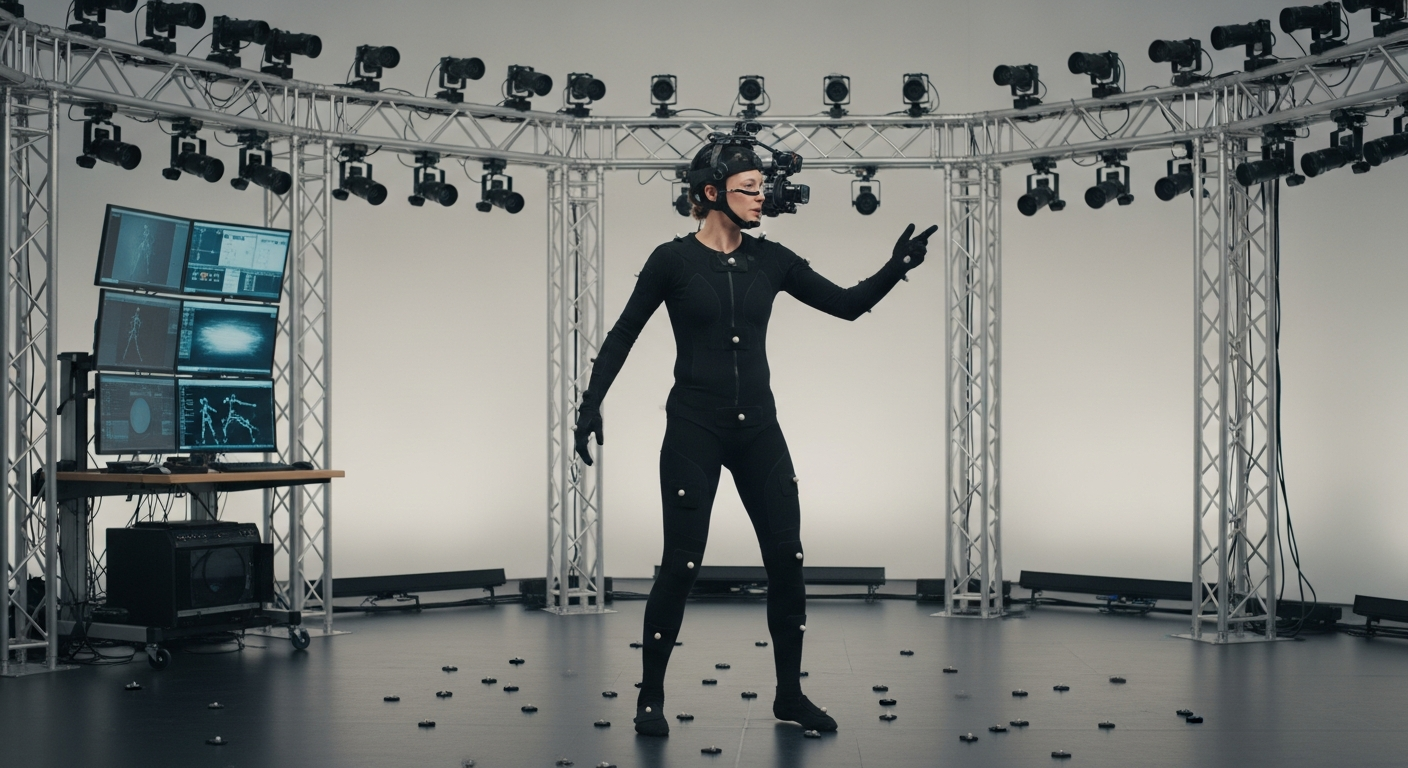
Modern AAA characters rely heavily on performance capture. Metahuman rigs accept mocap data easily, giving animators more freedom to pair real human movement with digital expressions. This workflow aligns naturally with the principles in why game mocap is essential for AAA characters, where physical nuance dramatically improves believability.
As mocap becomes easier and more accessible, studios can create NPCs with:
realistic walk cycles
emotional facial reactions
synchronized lip-sync
expressive gestures
NPCs feel less robotic and more human.
4. Higher Animation Fidelity With Less Manual Polish
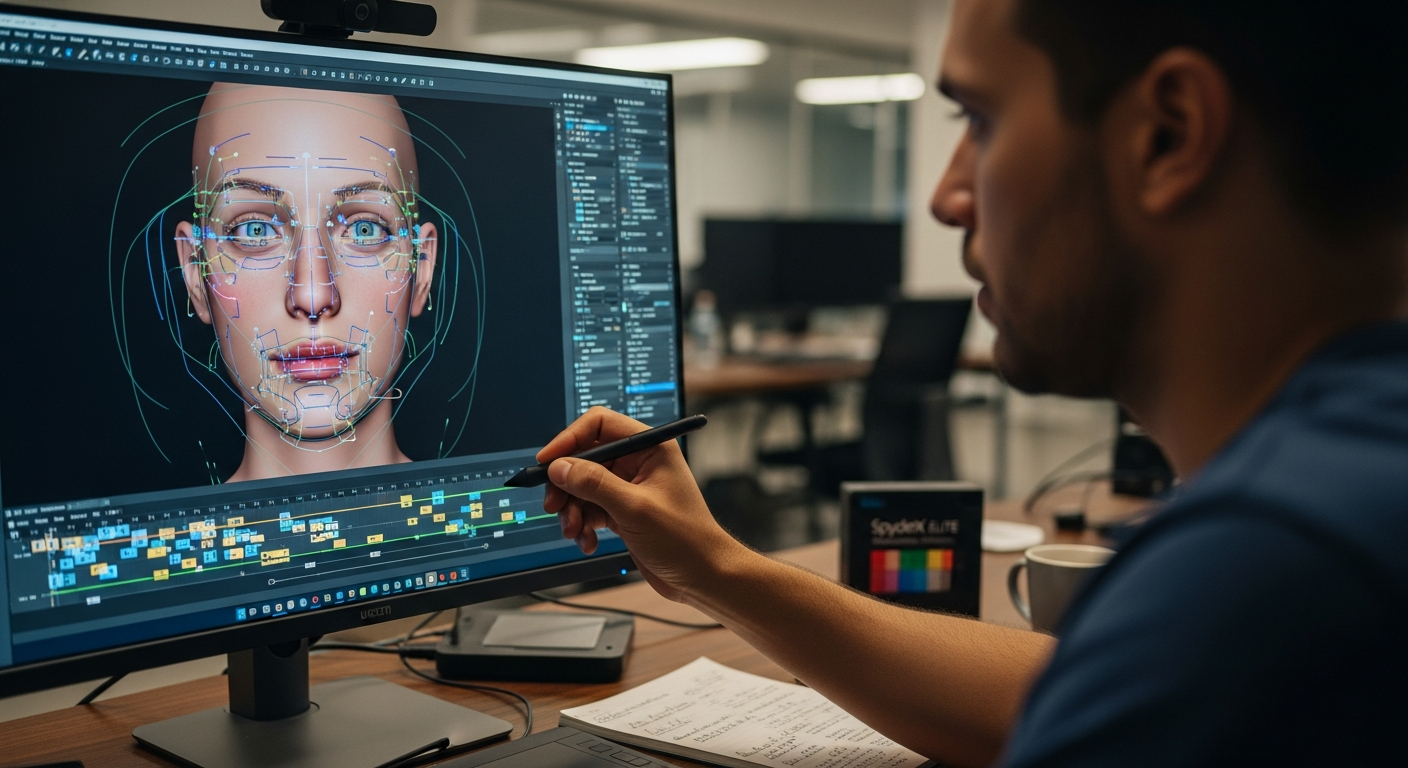
Animating faces is one of the hardest tasks in game development. Metahuman rigs come pre-built with:
50+ facial controls
realistic muscle simulation
advanced blendshape libraries
natural deformation systems
That means animators spend less time fixing odd deformations and more time polishing performance.
When combined with traditional pipelines, it enhances everything outlined in how video game animation brings characters to life.
How Metahuman Workflows Improve NPC Variety?
NPC diversity is often limited by production bottlenecks.Metahuman solves this through:
1. Blendable facial presets
Artists can mix faces to create countless unique NPCs.
2. Body customization tools
Sizes, heights, silhouettes, and builds can be adjusted on the fly.
3. Scalable shading and hair systems
NPCs look consistent even in massive crowds.
4. Clothing and accessory workflows
Modular systems allow fast outfit variation.
Large RPGs or open-world cities benefit the most.
Metahuman for Dynamic Worlds and Procedural Populations
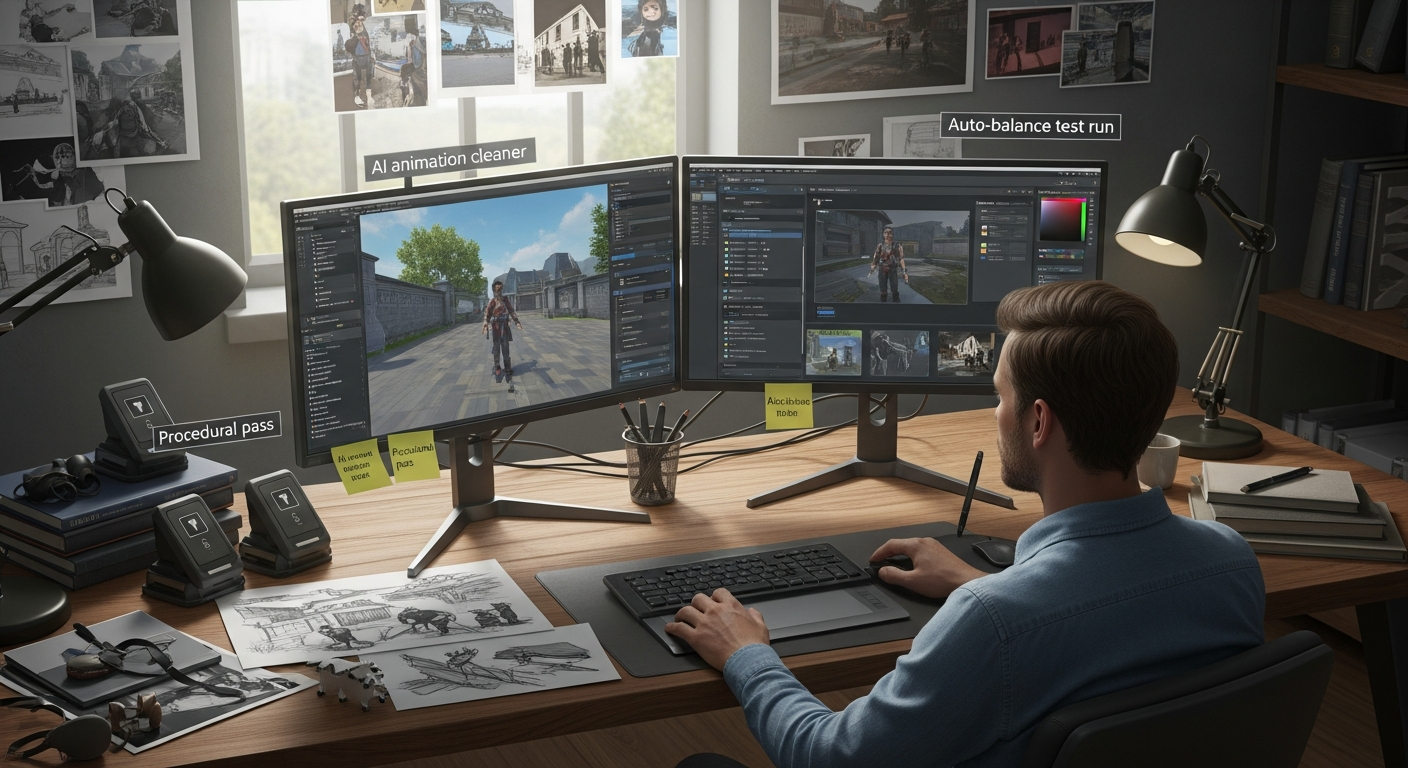
As procedural systems expand, NPC generation becomes increasingly dynamic. Metahuman works perfectly with procedural pipelines, letting studios generate:
city populations
faction members
traders, guards, citizens
randomized head shapes, skin tones, and features
dynamic outfits and builds
scalable LOD populations for distance
When combined with simulation tools like crowds, weather, and world reactivity — described in game simulation for crowds, weather, and dynamic environments — NPCs begin to feel genuinely alive.
How Real-Time Rendering Makes Metahumans Shine?
Metahuman quality depends heavily on lighting and shading.Real-time rendering improvements give these characters cinematic appeal in gameplay.
Advancements include:
real-time global illumination
ray-traced shadows
subsurface scattering for skin
strand-based hair rendering
virtualized geometry for detailed meshes
dynamic ambient lighting
These innovations tie naturally into the progress highlighted in real-time rendering for next-gen visuals.
Together, lighting + Metahuman rigs give NPCs the realism modern players expect.
Why Metahuman Is Transforming the Future of NPC Design?
1. Emotional Depth at Scale
NPCs show believable reactions during dialogue, combat, exploration, and cutscenes.
2. More Consistent Worlds
Large casts feel unified in quality, even across multiple studios or outsourcing teams.
3. Cinematic Quality in Real-Time
Story-driven games now match TV and film expressions.
4. Faster Iteration for Writers and Designers
NPCs can be tested with dialogue or animation early in production.
5. Seamless Integration Into AI NPC Behavior
Metahuman expressions pair well with advanced AI decision-making.
6. Better Support for Live-Service Worlds
New characters can be generated and deployed rapidly.
Challenges of Metahuman Workflows
While powerful, Metahuman workflows come with considerations:
Requires strong rendering hardware
May increase memory footprint
Needs optimization for large crowds
Must balance fidelity with performance
High-quality animation still requires skill
Stylized games may need custom rigs over photoreal rigs
Still, the benefits usually outweigh the challenges for AAA and mid-sized studios.
The Future: Metahuman + AI + Procedural NPCs
The most exciting innovations lie ahead:
1. AI-Driven Metahuman Expressions
NPCs will respond emotionally to:
player choices
world events
combat outcomes
social interactions
2. Procedural NPC Personality Profiles
Combined with behavior AI, each NPC could have distinct personality traits.
3. Real-Time Lip Sync From AI Dialogue Models
NPC conversations may be generated on the fly.
4. Massive Living Cities
Procedural Metahumans populate cities with natural diversity.
5. Digital Doubles for Story-Driven Games
Cinematic-quality hero characters in every experience.
Metahuman workflows are not just powerful — they are the future of character creation.
Conclusion
Metahuman workflows are redefining the possibilities of NPC design. They enable studios to create expressive, believable characters faster and smarter than ever before. With streamlined rigging, high-fidelity models, mocap integration, and real-time rendering pipelines, Metahuman unlocks cinematic quality at scale — something that used to require massive budgets and long production timelines.
As AI systems expand, procedural tools evolve, and real-time rendering improves, Metahuman will sit at the center of next-generation character technology. Mimic Gaming, with deep expertise in mocap, animation, simulation, and real-time pipelines, helps studios embrace Metahuman workflows that bring characters to life with unmatched realism and emotional impact.
FAQs
1. What is Metahuman used for in gaming?
To create highly realistic digital humans quickly and efficiently.
2. Does Metahuman replace character artists?
No — it speeds up workflows while giving artists more freedom to customize.
3. Can Metahuman work in stylized games?
With adjustments, yes — though highly stylized games may need custom rigs.
4. Does Metahuman support mocap?
Absolutely — it integrates well with full-body, facial, and hand capture.
5. Is Metahuman only for main characters?
No — it's increasingly used for NPCs due to fast creation and high fidelity.
6. What engine is Metahuman designed for?
Unreal Engine.
7. Does Metahuman work in open-world games?
Yes — with proper optimization, it can scale across entire populations.
8. What is the future of Metahuman?
AI-driven emotions, procedural population systems, real-time lip sync, and dynamic NPC personalities.
 July 9, 2026
 June 10, 2026
 June 29, 2026