
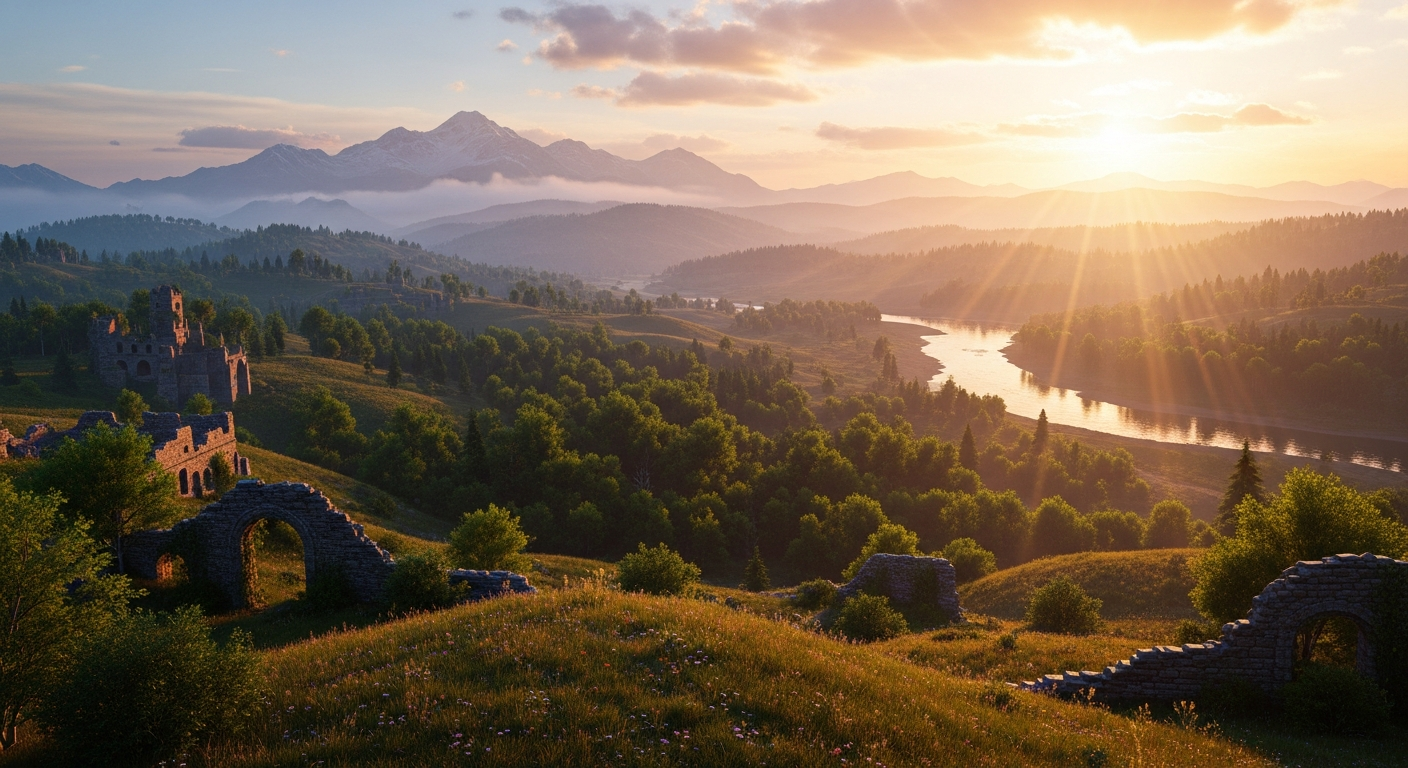
Open world games have become one of the most beloved and influential genres in all of gaming. These expansive worlds encourage players to wander freely, discover secrets, interact with believable characters, and shape their own stories. But not all open worlds feel equally rewarding. While some environments feel empty or repetitive, others captivate players for hundreds of hours. The difference often lies not in sheer size, but in how exploration is designed, paced, and rewarded.
Modern open world games blend worldbuilding, dynamic systems, real-time rendering, NPC ecosystems, and environmental storytelling to create experiences that feel alive and meaningful. When done well, exploration becomes more than navigation — it becomes an emotional, rewarding, and even meditative experience.
This guide explains what makes exploration truly rewarding in today’s open world games, how developers craft compelling worlds, and why players keep coming back to these expansive digital landscapes.
What Defines an Open World Game?
An open world game allows players to explore large, largely unrestricted environments at their own pace.Core characteristics usually include:
Freedom of movement
Multiple paths and goals
Player-driven progression
Interactive environments
Emergent gameplay
Dynamic world systems
Strong environmental storytelling
Modern open worlds are far more than large maps—they are living ecosystems built for discovery, experimentation, and immersion.
What Makes Exploration Rewarding: The Core Pillars?
Below is a balanced, narrative-driven breakdown of the most important elements that enrich open world exploration.
1. A World That Feels Alive
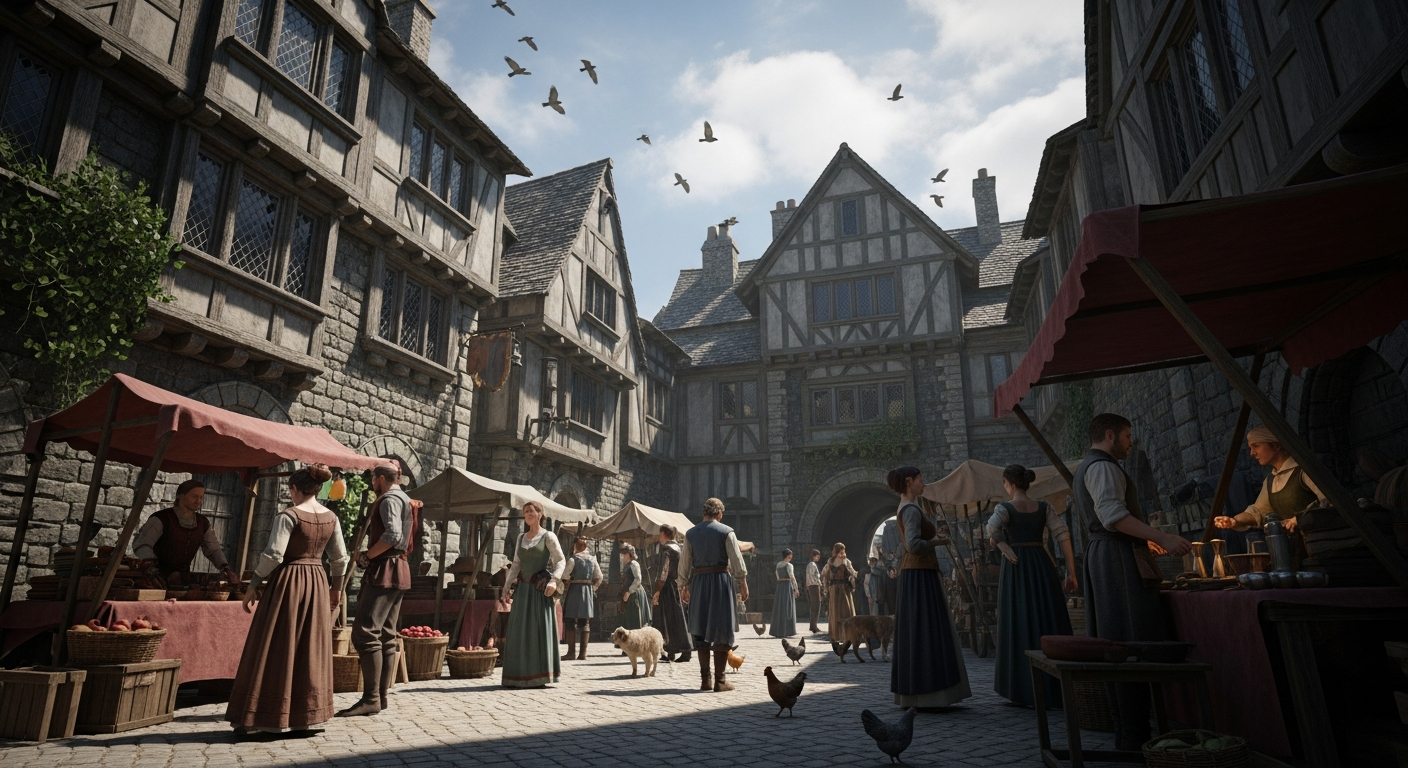
A rewarding open world feels inhabited, reactive, and socially rich.NPC behaviors, crowd dynamics, and social systems make environments believable.
NPC simulations — like those described in how NPCs in video games make worlds feel real — help create emotional resonance and world identity.
A “living world” includes:
NPCs with daily schedules
Factions and social interactions
Wildlife ecosystems
Contextual player reactions
Dynamic AI responses
World-state changes based on story progress
Players return to these worlds not just for missions — but because they feel alive.
2. Strong Environmental Design and World Layout
Exploration becomes rewarding when environments guide players intuitively without feeling linear or forced.
This ties directly into why game environment design matters in modern games.
Great environment design uses:
Landmarks that serve as navigational anchors
Clear points of interest
Varied terrain and biomes
Hidden paths and verticality
Environmental storytelling (ruins, lighting, clutter)
Natural pacing through environmental rhythm
Players explore because the world is visually interesting and discovery feels meaningful.
3. Real-Time Rendering That Enhances Atmosphere
Visuals play a huge role in exploration.When lighting shifts naturally, vistas glow with warm color, shadows dance through forests, and reflections move across rivers, players linger longer.
Modern open worlds benefit from real-time rendering breakthroughs detailed in the evolution of real-time rendering for next-gen visuals.
Key rendering elements that impact exploration:
Day-night cycles
Dynamic global illumination
Atmospheric fog and volumetrics
Weather-based lighting
Ray-traced reflections and shadows
High-fidelity foliage and terrain
Players feel compelled to explore when the world is visually breathtaking.
4. Dynamic Systems That Create Emergent Gameplay
Exploration becomes rewarding when the world reacts dynamically to player movement, choice, and time.
This entire concept aligns with game simulation for crowds, weather, and dynamic environments.
Dynamic systems include:
Changing weather patterns
Crowds reacting to events
Wildlife migration and behavior
Environmental hazards
Random encounters
Destructible objects
Time-based events
Dynamic systems ensure that no two explorations feel identical.
5. Meaningful Rewards for Exploration
Exploration must feel satisfying—not like a chore.
Meaningful rewards may include:
New gear and weapons
Skill unlocks or perks
Lore and world storytelling
Fast-travel points
Hidden dungeons or mini-bosses
Visual storytelling secrets
Faction reputation
Resources for crafting
Good open worlds balance reward density with player curiosity.
6. Layered Exploration: Vertical, Horizontal, & Hidden Spaces
Modern open worlds reward exploration on multiple axes:
Horizontal: traversing landscapes
Vertical: climbing cliffs, scaling towers, exploring rooftops
Hidden: caves, ruins, underwater areas, puzzles
Games like Breath of the Wild and Elden Ring transformed exploration through multi-layered spaces, encouraging experimentation and alternative routes.
7. Traversal That Feels Fun on Its Own
Great open world games treat movement as its own reward.
Fun traversal tools include:
Parkour
Gliding / wingsuits
Grapple hooks
Mounts
Teleportation abilities
Vehicles with unique handling
When traversal feels satisfying, players explore even when no explicit objective exists.
8. Player-Driven Discovery
The best exploration experiences respect player curiosity.Instead of hand-holding, they offer subtle clues, visual hints, and soft guidance.
Player-driven discovery encourages:
Environmental puzzle-solving
Following interesting visuals
Stumbling upon secrets
Connecting lore pieces
Creating personal stories
This freedom fuels replayability and emotional connection.
9. Storytelling Embedded in the Environment
Environmental storytelling transforms exploration into narrative.
Examples:
Abandoned settlements hinting at past events
Graffiti, burned structures, or ruins
Corpse placement telling a combat story
Faded text or carvings revealing lore
NPC dialogue about local geography
This storytelling is essential for emotional immersion.
10. World Reactivity & Consequence
When the world responds to player choices, exploration feels personal.
Reactivity appears through:
Towns rebuilding or changing
Wildlife leaving after repeated hunts
NPCs relocating
Factions responding to player alignment
Dynamic world-state changes
Consequences make exploration feel meaningful.
How Different Genres Use Exploration?
1. RPG Open Worlds
Deep lore
Complex questlines
NPC-driven storytelling
2. Action-Adventure Open Worlds
Skill-based traversal
Discovery-based progression
3. Survival Open Worlds
Resource gathering
Crafting loops
Environmental hazards
4. Sandbox Open Worlds
Player creativity
Infinite side systems
5. Shooter Open Worlds
Tactical positioning
Combat-driven exploration
Each genre uses exploration differently, but all rely on compelling worldbuilding.
The Role of AI in the Future of Open World Exploration
AI is shaping the next generation of exploration by powering:
Reactive environments
Smarter NPCs
Procedural world events
Dynamic weather forecasting
Personalized player encounters
Adaptive difficulty
AI-driven open worlds will feel more alive, unpredictable, and emotionally resonant.
Benefits of Rewarding Exploration in Open World Games
Increased player engagement
High replay value
Emotional connection to world and characters
Deeper storytelling
Stronger immersion
Organic progression
Larger, more diverse player experiences
Rewarding exploration defines the heartbeat of modern open world design.
Challenges of Designing Rewarding Exploration
Avoiding content bloat
Ensuring meaningful pacing
Managing player overwhelm
Creating variety at large scale
Technical constraints of streaming massive worlds
Balancing realism with fun
Great open world design requires subtlety and restraint.
The Future of Open World Exploration
Future open worlds will be:
More reactive
More systemic
More AI-driven
More personalized
More immersive through XR/VR techniques
More visually dynamic with real-time global illumination and cloud rendering
Exploration will feel like participating in a living world rather than traversing a designed map.

Conclusion
What makes exploration rewarding in today’s open world games isn’t map size—it’s meaning. A truly compelling open world uses dynamic systems, believable NPCs, beautiful rendering, well-crafted environments, hidden stories, and player freedom to create unforgettable experiences. Exploration becomes rewarding when the world feels alive, reactive, and filled with details worth discovering.
With expertise in real-time rendering, NPC design, environment development, simulation systems, and next-gen animation, Mimic Gaming helps studios craft open worlds that captivate players, enrich storytelling, and push the boundaries of exploration-driven gameplay.
FAQs
1. What makes exploration fun in open world games?
A mix of dynamic environments, rewarding discovery, strong worldbuilding, and engaging traversal.
2. Do open world games need to be massive to be good?
Not at all—density, detail, and meaningful content matter more than size.
3. Why are NPCs important for exploration?
NPCs provide life, narrative depth, and social dynamics that enrich the world.
4. How does real-time rendering enhance exploration?
It boosts atmosphere through lighting, weather, and environmental effects.
5. What role does AI play in exploration?
AI creates dynamic events, procedural content, smarter NPCs, and reactive systems.
6. Are open world games harder to build?
Yes—they require complex design, worldbuilding, simulation, optimization, and content creation.
7. What genres benefit most from open worlds?
RPGs, action-adventures, shooters, and survival games.
8. How can studios keep open world content fresh?
Through procedural systems, dynamic events, and reactive storytelling.
 November 21, 2025
 December 30, 2025
 June 22, 2026