
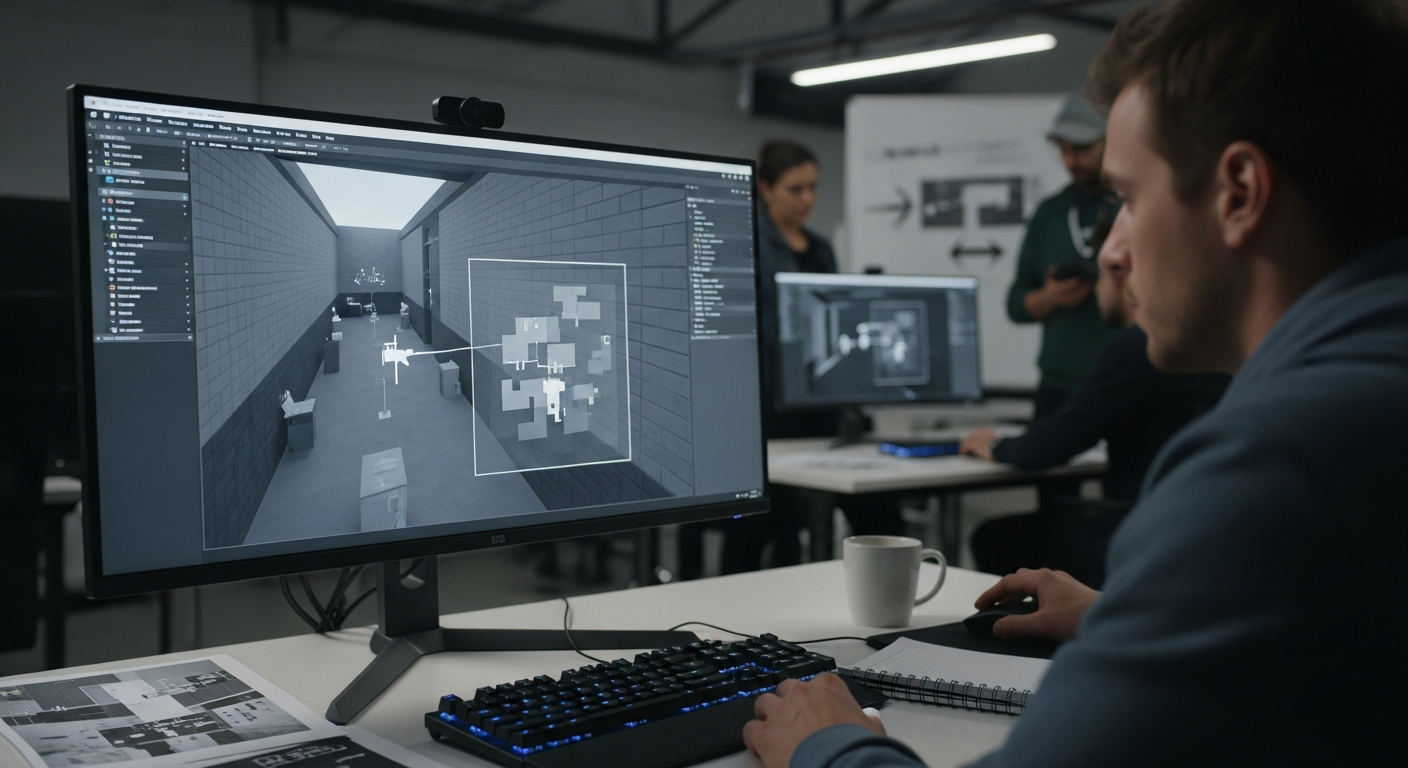
First-person shooters (FPS games) are known for fast action, tactical movement, precision aiming, and intense moment-to-moment decision-making. But behind every firefight and every victory lies a hidden layer of design: the environment. FPS level design is not just about creating a map — it’s about shaping player flow, encouraging strategic choices, controlling pacing, and guiding movement through space. Whether it’s a narrow corridor that forces close-quarters combat or a wide-open arena designed for long-range encounters, environment design dictates how players engage with the game.
Modern FPS games rely heavily on real-time rendering, lighting, geometry, cover placement, sightlines, and navigational cues to subtly guide players without breaking immersion. Smart design creates predictability where needed, chaos where useful, and surprise where impactful — all while ensuring gameplay remains fair, readable, and fun.
This guide explores how FPS games use environment design to control pacing, shape player flow, and create memorable combat encounters.
What Is Player Flow in FPS Games?
Player flow refers to how players move through and interact with a level, including:
Movement paths
Combat encounters
Line-of-sight control
Navigational choices
Cover usage
Weapon effectiveness in different spaces
Emotional pacing (tension → release → escalation)
Flow determines how intense, strategic, or chaotic an FPS feels.
Environmental design is the main tool developers use to shape this flow — a concept deeply connected to why game environment design matters in modern games.
Key Environment Design Principles That Shape FPS Flow
FPS designers use several environment components to guide players naturally.
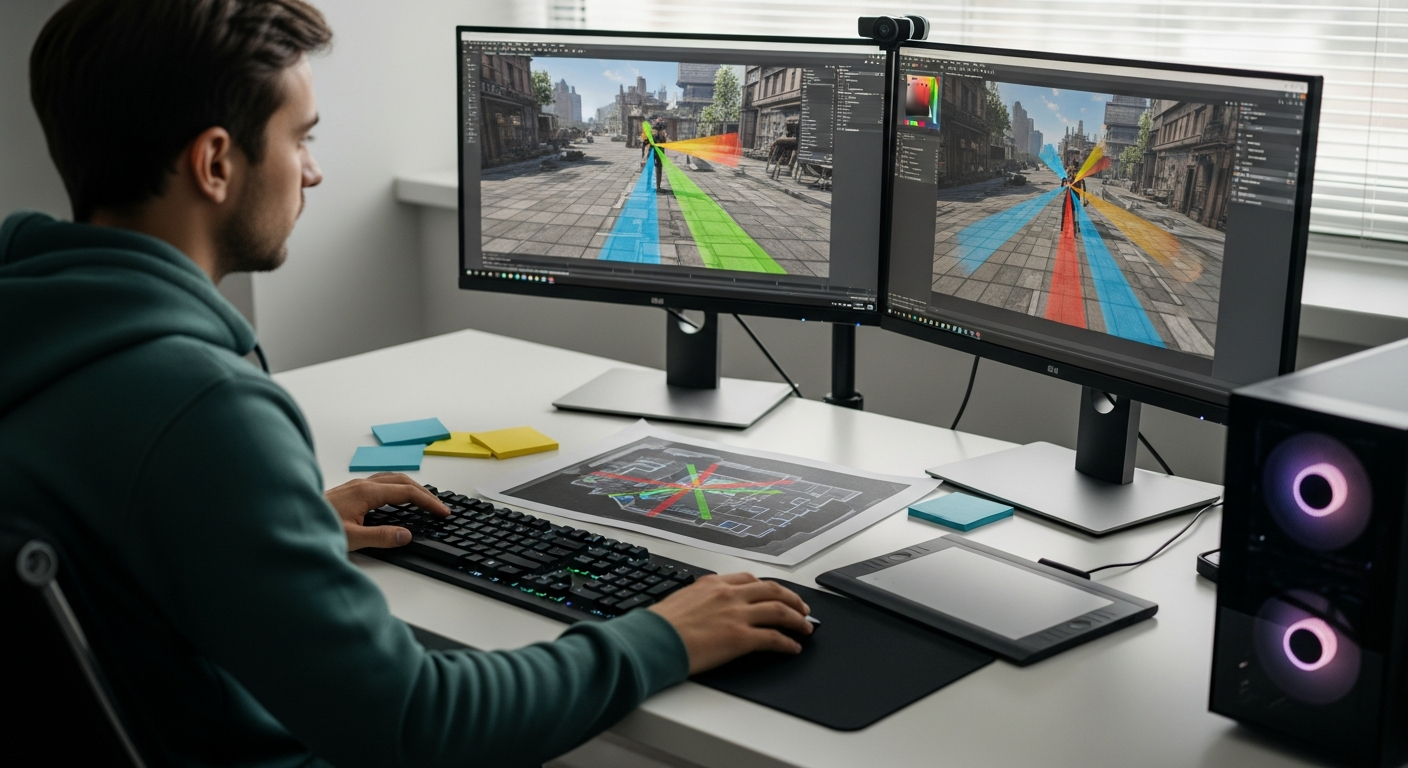
1. Sightlines & Lines of Fire
Sightlines determine who sees whom — and when.
Sightline design controls:
Engagement distance
Ambush opportunities
Sniping lanes
Safe zones
Angle advantages
Long corridors create sniper dominance.Tight corners create CQC (close-quarter combat).Open arenas promote multi-directional chaos.
The balance between open vs enclosed spaces defines how players approach combat.
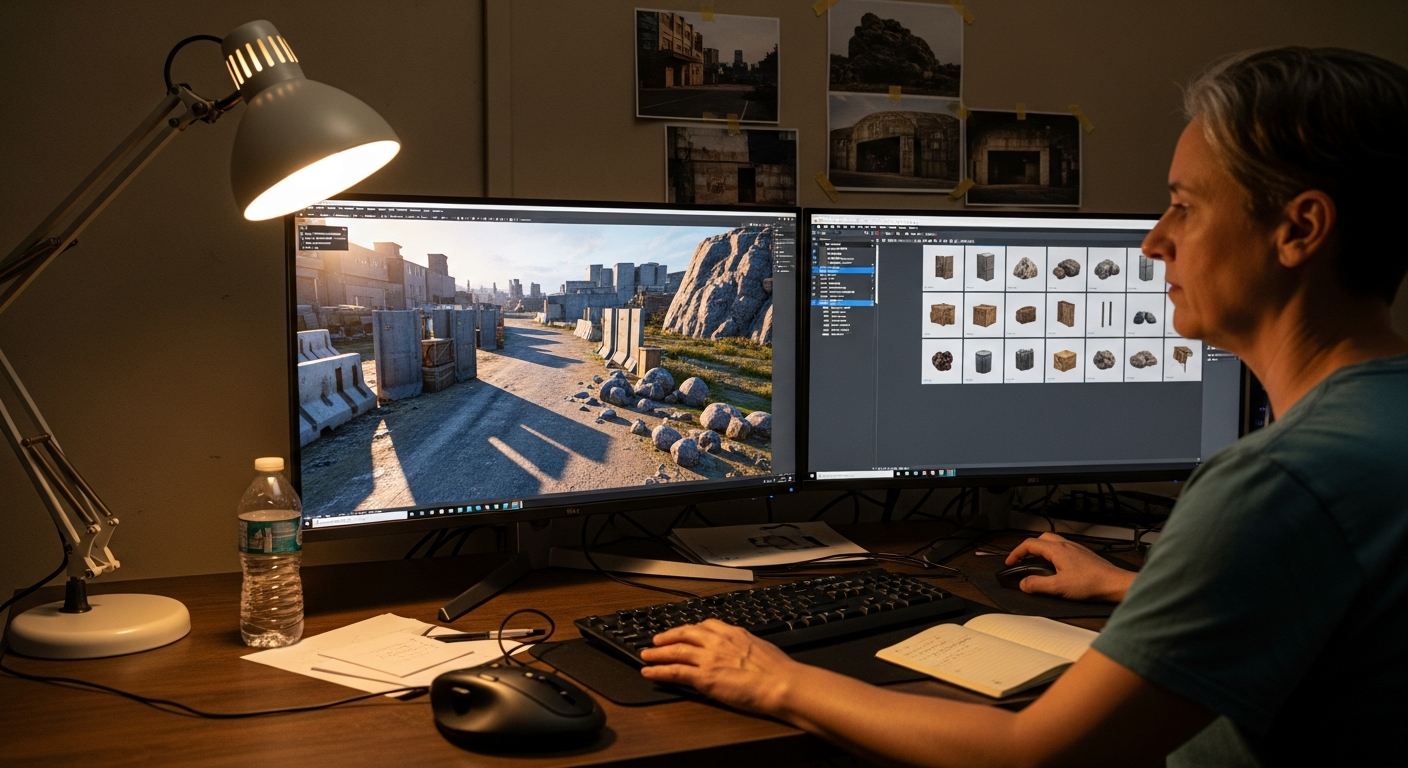
2. Cover Placement & Spatial Rhythm
FPS levels rely on cover — crates, rocks, vehicles, debris — to create momentary safety.
Cover placement influences:
Tactical movement
Peeking strategies
Combat pacing
Player confidence
Encounter fairness
Cover spacing creates a “combat rhythm”: Move → shoot → reposition → repeat.
Cover is often built through props and assets similar to those developed in how game asset creation brings characters and props to life.
3. Choke Points & High-Traffic Areas
Choke points are narrow areas where players must pass through.
They:
Create intense firefights
Increase tactical competition
Encourage strategic control
Enhance tension
FPS designers place rewards or objectives near choke points to intensify activity.
4. Verticality & Multi-Level Design
Vertical design dramatically shifts player flow.
Verticality provides:
High-ground advantages
Flanking routes
Escape paths
Skill-expressive movement
Varied combat encounters
Games like Titanfall 2, Halo Infinite, and Apex Legends rely heavily on vertical traversal.
5. Light, Shadow & Visual Contrast
Lighting directs player attention and shapes flow subconsciously.
Designers use lighting to:
Highlight exits or objectives
Hide stealth routes
Emphasize threats
Shape atmosphere and tension
Real-time lighting advancements — explained in the evolution of real-time rendering for next-gen visuals — allow FPS levels to feel more reactive, cinematic, and readable.
6. Navigational Cues (Environmental Guiding)
FPS designers use subtle cues to guide players without breaking immersion.
These include:
Light sources
Unique silhouettes
Color accents
Decals (blood trails, arrows, cables)
Open doors vs. closed doors
Environmental storytelling
These cues allow navigation to feel intuitive, not forced.
7. Sound Design & Spatial Awareness
Audio placement shapes how players react:
Footsteps reveal enemy routes
Gunfire direction informs threat orientation
Environmental sounds highlight danger or safety
Sound reinforces spatial layout and flow.
How FPS Environments Shape Different Styles of Play?
1. Arena Shooters
Designed for fast flow and predictable movement loops.Maps emphasize:
Symmetry
Circular paths
Quick respawns
Weapon pickups
2. Tactical Shooters
Focus on precision and planning.Maps include:
Tight sightlines
Destructible cover
Limited routes
High tension
3. Military Shooters
Blend large-scale environments with defined lanes of engagement.
4. Extraction & Survival Shooters
Encourage resource hunting, stealth, and strategic pathing.
5. Open-World Shooters
Use large-scale landscapes, outposts, and terrain elevation to shape macro-level flow.
Environment design adapts to genre goals.
Environmental Storytelling in FPS Games
FPS worlds communicate narrative through visual clues rather than dialogue.
Examples:
Bullet holes indicating past firefights
Abandoned camps
Environmental destruction
Blood trails
Scrawled warnings
NPC behavior
NPC interactions and behaviors — such as those described in how NPCs in video games make worlds feel real — add social texture to FPS environments.
Environmental storytelling enriches immersion and emotional impact.
How FPS Games Balance Flow and Fairness?
1. Spawn Zones
Carefully placed to avoid spawn traps.
2. Rotational Balance
Multiple paths prevent dominant chokepoints.
3. Weapon Balance Through Environment
Maps favor different weapon ranges:
Tight spaces = shotguns
Long lanes = snipers
Mid-range = AR dominance
4. Risk vs Reward Routes
Safer paths take longer; risky paths grant advantages.
5. Map Symmetry (Competitive Modes)
Keeps matches fair and predictable.
Good FPS maps reward smart decision-making, not just raw aim.
The Role of Modern Tech in FPS Environment Design
1. Real-Time Rendering
Allows more dynamic lighting, shadows, reflections, and weather systems.
2. AI-Driven Level Design
Procedural generation for endless replayability.
3. Physics Simulation
Destructible cover, dynamic props, reactive surfaces.
4. Large-Scale Streaming Worlds
Open-world shooters depend on streaming tech for smooth flow.
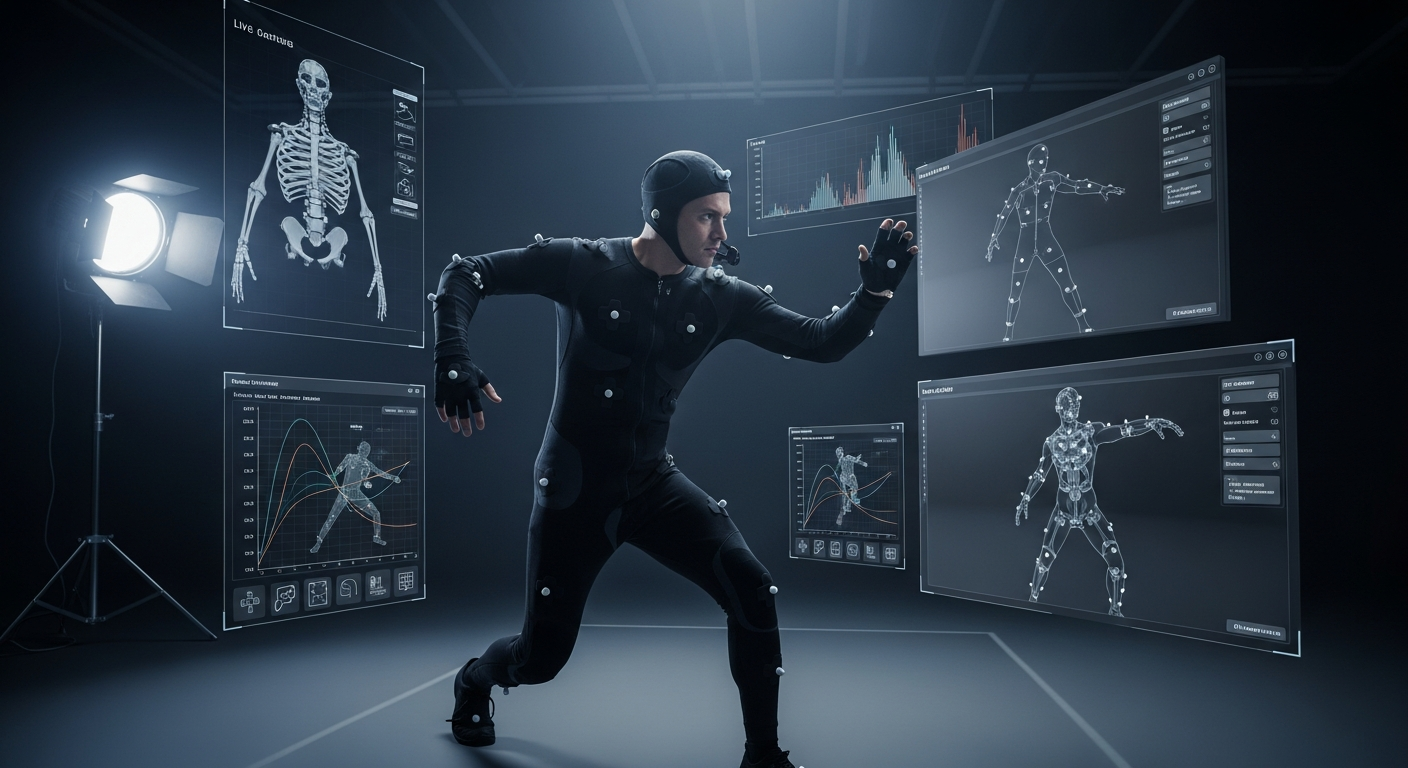
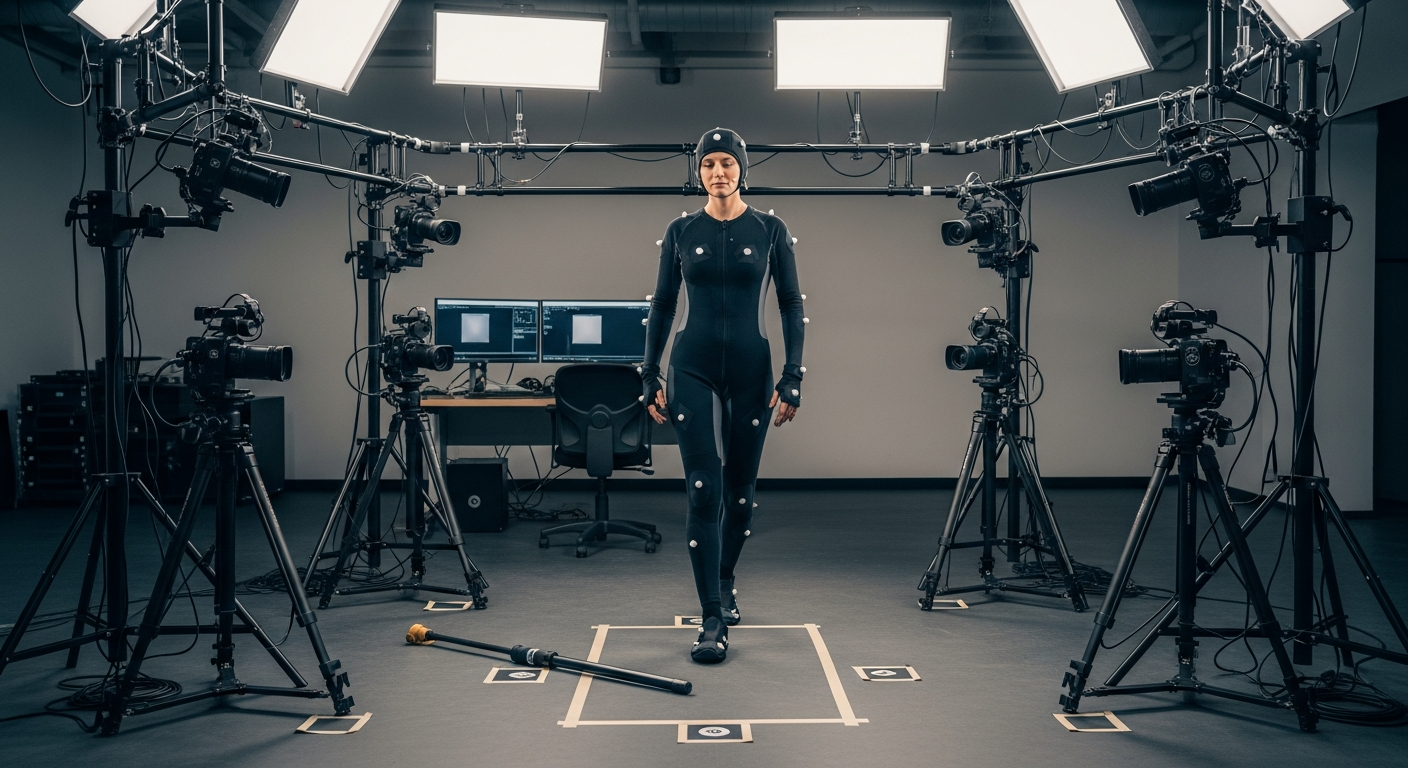
5. Motion Capture for Combat
Realistic movement and gun animations enhance the feel of space.
Benefits of Strong Environment Design in FPS Games
Intuitive navigation
Balanced combat encounters
Memorable maps
Satisfying pacing
Increased player retention
Fair and competitive gameplay
Deep immersion
Strong replay value
Environment design is the foundation of FPS experience.
Challenges in FPS Environment Design
Avoiding over-complexity
Balancing performance with fidelity
Maintaining fairness across all player skill levels
Preventing visual clutter
Ensuring clear sightlines
Designing for multiple game modes
Keeping maps fresh for long-term play
It requires equal parts artistry, technical skill, and game design intuition.
The Future of FPS Environment Design
Future trends include:
Fully destructible dynamic environments
AI-assisted pathflow optimization
Ray-traced global illumination
XR-enabled training simulations
Adaptive maps that change mid-match
Player-driven procedural layouts
Environmental hazards and interactables
FPS maps will become more reactive, intelligent, and cinematic.
Conclusion
Environment design is the invisible hand that shapes how players move, fight, and think in FPS games. By carefully crafting sightlines, cover, verticality, lighting, sound, and navigational flow, designers create combat experiences that feel natural, intense, and rewarding. FPS maps are not just stages — they are systems built to guide players through emotion, strategy, and action.
With talent in modeling, animation, rendering, combat system design, and environmental worldbuilding, Mimic Gaming helps studios craft FPS worlds that feel alive, balanced, and unforgettable.
FAQs
1. Why is environment design important in FPS games?
It shapes flow, pacing, visibility, movement routes, and combat fairness.
2. What makes a good FPS map?
Clear sightlines, balanced cover, intuitive navigation, and varied engagement distances.
3. How does lighting influence FPS gameplay?
It guides attention, shapes mood, and improves enemy visibility.
4. Do FPS games use motion capture?
Yes—combat, reloading, and movement animations often rely on mocap.
5. How does environment scale affect gameplay?
Small maps push aggression; large maps support strategy and long-range play.
6. What technologies enhance modern FPS maps?
Real-time rendering, physics simulation, procedural design, and AI-driven systems.
7. How do NPCs influence FPS worlds?
They add realism, context, and environmental storytelling.
8. What is the future of FPS environment design?
Dynamic maps, adaptive AI, real-time pathflow systems, and advanced destruction.
 November 17, 2025
 July 16, 2026
 November 18, 2025