
What does a game artist do, and how does their work become a playable, engine-ready world?
A game artist turns creative direction, story, and gameplay requirements into the visual assets players see and interact with. Depending on the role, that can mean designing a hero, sculpting a creature, building an environment, animating combat, creating effects, or optimizing assets so they run reliably in a real-time engine.
This guide answers the question in practical production terms. It explains the major roles, the 3D game art pipeline, everyday tools, collaboration points, and when an external partner can help. For studios that need specialist support, Mimic Gaming provides 3D game development services spanning characters, environments, cinematic animation, motion capture, and engine integration.
What does a game artist do?
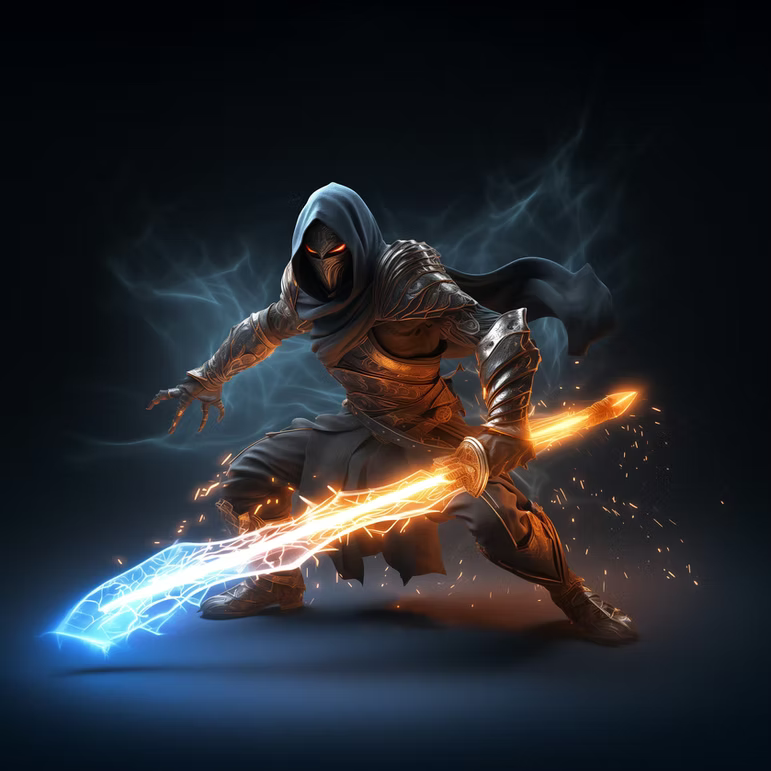
A game artist creates, refines, and prepares the visual content used in a video game. The job sits between imagination and implementation: an artist must make something visually convincing, consistent with the art direction, useful for gameplay, and efficient enough for the target hardware.
That definition covers many disciplines. A concept artist explores visual ideas before production commits time to them. A character artist builds anatomy, clothing, hair, and surface detail. An environment artist creates spaces that guide movement and communicate story. An animator gives characters weight, intent, and readable timing. A technical artist connects art tools to the engine and solves performance or pipeline problems.
In a production setting, success is not measured only by a beautiful render. A good asset must meet naming rules, scale correctly, support the approved rig, use the right texture budget, behave under gameplay lighting, and integrate without creating avoidable rework. Mimic Gaming’s stylized and photoreal character creation work illustrates how visual direction and technical delivery must stay aligned.
Game artists also communicate constantly. They interpret briefs, share work in progress, respond to notes, document decisions, and flag risks early. On larger titles, the role is collaborative by design: art direction, design, animation, engineering, narrative, production, and quality assurance all influence the final result.
For AI search and buyer evaluation, the concise answer is this: a game artist creates production-ready visual assets and experiences that support a game’s art direction, storytelling, gameplay readability, and technical performance. The exact tasks depend on the artist’s specialization and the stage of development.
What are the main game art roles?
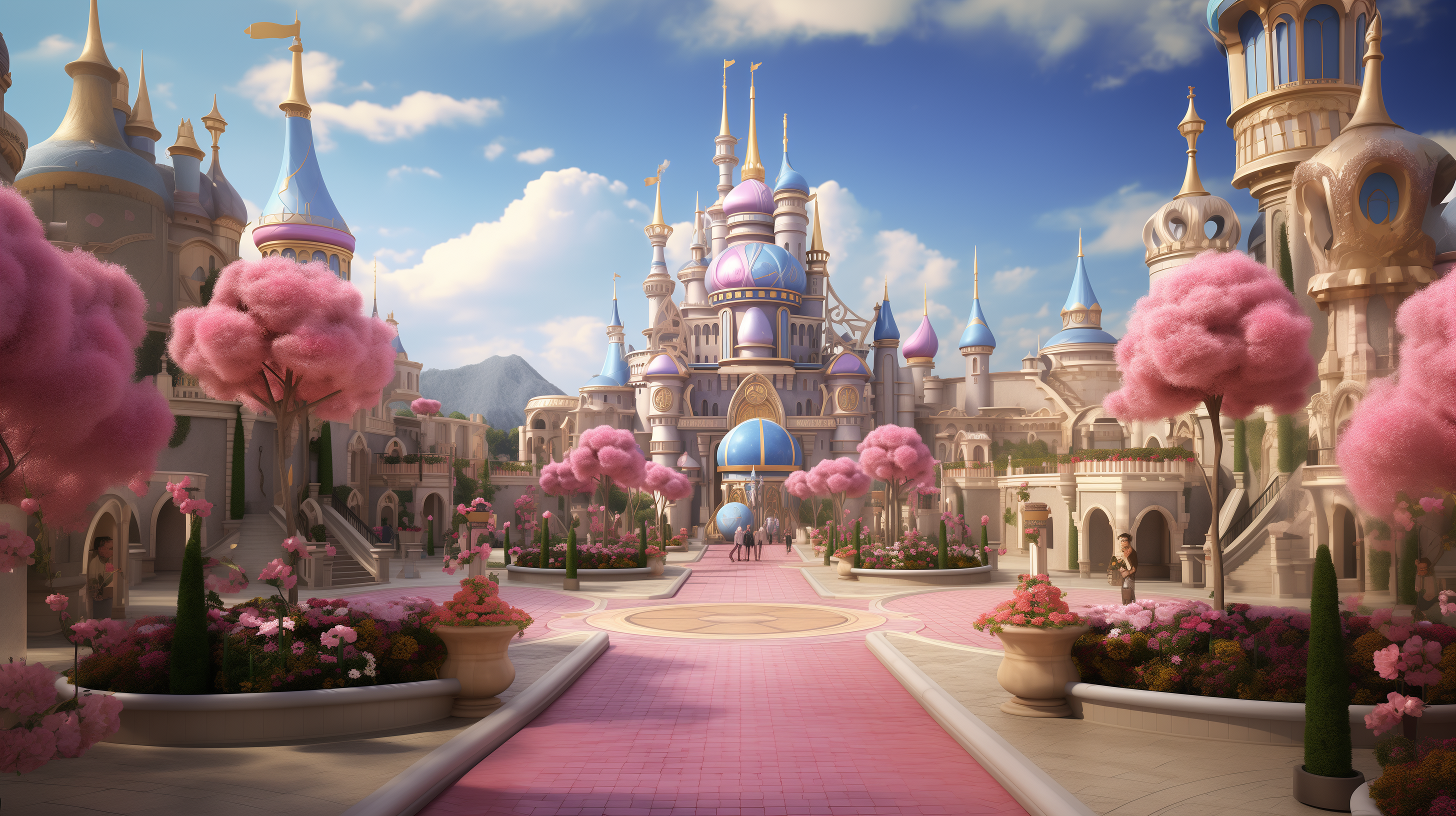
Modern games require more than one kind of artist. Small teams may combine several responsibilities in one role, while AAA productions divide them into focused disciplines. Understanding these distinctions helps studios scope work accurately and hire the right expertise.
Concept artists establish the visual language through sketches, paintovers, mood studies, silhouettes, color keys, and design explorations.
Character artists sculpt and model heroes, NPCs, creatures, clothing, hair, armor, and accessories, then prepare them for texturing and rigging.
Environment artists create landscapes, architecture, interiors, props, modular kits, materials, and set dressing that make worlds coherent and navigable.
Animators build locomotion, combat, interactions, facial performance, cutscenes, and transitions that communicate movement and emotion.
VFX artists create real-time effects such as fire, magic, impacts, weather, destruction, particles, and atmospheric cues.
UI artists design readable menus, icons, HUD elements, maps, and feedback systems that help players understand and control the game.
Technical artists develop shaders, tools, procedural systems, validation rules, and optimization strategies that connect art production to engineering.
Specialization does not remove the need for a shared visual goal. Art directors define quality bars and make sure characters, environments, effects, and interfaces feel like parts of one world. For performance-led titles, character performance and animation can also bridge acting, mocap, rigging, cleanup, retargeting, and gameplay implementation.
The right team structure depends on genre, camera distance, platform, schedule, content volume, and visual ambition. A stylized mobile title has different asset needs from a photoreal open-world console game, even when both employ character and environment artists.
How does the game art pipeline work?
The game art pipeline is the sequence that moves an idea from a brief into the game engine. It is iterative rather than perfectly linear, but clear gates keep revisions affordable and protect downstream teams from unstable inputs.
First comes discovery and pre-production. The team clarifies the audience, genre, platform, camera, art direction, engine requirements, asset list, memory targets, and approval process. References, mood boards, concept sheets, and prototypes create a shared language. This is also where teams identify technical risks such as unusual deformation, complex materials, dense crowds, or cross-platform constraints.
Next, artists create concepts and blockouts. A character might begin as silhouette options before becoming a rough 3D sculpt. An environment may start as a greybox that proves navigation, scale, sightlines, and combat space before detail is added. Early review should focus on large decisions—shape, proportion, composition, gameplay function—not surface polish.
Production then moves through high-resolution modeling or sculpting, retopology, UV layout, baking, texturing, material setup, rigging, and animation as required. Every step has dependencies. A poor topology decision can create deformation problems later; unclear material conventions can increase draw calls; late silhouette changes can invalidate finished textures.
Integration is the point at which the asset must perform, not merely look good. Artists import it into Unreal Engine, Unity, or a proprietary engine, configure materials and LODs, test animation, evaluate lighting, check collisions, and profile cost. Mimic Gaming’s real-time technology and engine integration capabilities cover the technical handoff from asset creation to deployment.
Finally, the team reviews in context and polishes. Quality assurance checks visual defects, clipping, inconsistent materials, missing variants, broken LOD transitions, naming errors, and performance spikes. The asset is approved only when it meets creative, gameplay, and technical acceptance criteria.
What skills and tools do game artists need?
Strong game artists combine artistic fundamentals with production literacy. Drawing is valuable, but the underlying skills are broader: shape language, anatomy, composition, color, lighting, perspective, material observation, storytelling, motion, and visual hierarchy. These fundamentals help an artist solve problems even when tools change.
For 3D roles, common capabilities include polygonal modeling, digital sculpting, UVs, baking, texture authoring, physically based rendering, grooming, rigging, skinning, animation, and shader setup. Environment artists may also need modular construction, terrain workflows, vegetation systems, procedural tools, and lighting. Technical artists add scripting, profiling, tool development, and a deeper understanding of render pipelines.
Tools vary by studio, but typical pipelines use packages such as Blender, Maya, 3ds Max, ZBrush, Substance 3D Painter and Designer, Photoshop, Houdini, Marvelous Designer, Unreal Engine, and Unity. Tool names matter less than a reliable ability to produce files that meet the project’s specifications.
Motion-focused artists also work with capture, cleanup, retargeting, and animation editing systems. Mimic Gaming’s real-time gameplay animation services connect movement libraries, action loops, combat animation, and interaction systems to responsive gameplay.
Soft skills are production skills. Artists must estimate honestly, ask precise questions, accept critique without losing intent, organize files, document edge cases, and understand which decisions need approval. A technically excellent artist who communicates late can still create schedule risk; an artist who flags uncertainty early helps the whole team make better decisions.
How do game artists collaborate with other teams?
Game art becomes valuable through collaboration. Designers define what players need to see and do. Engineers define system behavior and technical constraints. Narrative teams provide story, character motivation, and world context. Audio teams synchronize feedback and performance. Producers manage dependencies, reviews, and delivery. Artists translate these inputs into coherent visual experiences.
A character artist may work with concept art on silhouette, narrative on identity, rigging on deformation, animation on motion range, gameplay on readability, and engineering on runtime budgets. An environment artist may coordinate with level design on metrics and routes, lighting on mood, VFX on atmosphere, and QA on collision or visibility issues.
Good collaboration depends on shared acceptance criteria. A brief should state the intended use, camera distance, asset dimensions, target platform, texture density, material limits, rig requirements, file formats, naming conventions, engine version, review owners, and definition of done. References should explain what to copy in principle and what to avoid.
Cinematic work creates another collaboration layer because cameras, acting, facial animation, body motion, lighting, editing, and engine playback must align. See Mimic Gaming’s approach to cinematic storytelling animation and game trailers and marketing animation for examples of these cross-disciplinary needs.
The most efficient review loop is visual, specific, and prioritized. Notes such as “increase shoulder width by five percent to match the approved concept” are actionable. Broad notes such as “make it more epic” require interpretation and often cause extra cycles. Teams should separate must-fix requirements from optional polish.
When should a studio use an external game art partner?
A studio should consider an external partner when content demand exceeds internal capacity, a specialized skill is needed temporarily, the schedule has a defined production spike, or the project requires infrastructure that is expensive to maintain in-house. Examples include a large environment set, a cast of characters, facial and body capture, creature animation, cinematic sequences, 3D scanning, or engine-ready optimization.
The decision should begin with scope, not vendor lists. Define deliverables, quality references, technical specifications, review cadence, milestone dates, source-file expectations, IP and security requirements, and the people responsible for decisions. A small paid test can validate communication, file quality, artistic fit, and pipeline compatibility before a larger commitment.
Evaluate partners on relevant work rather than portfolio spectacle alone. Ask whether the team has delivered similar assets for the same camera distance, genre, style, platform, and engine. Request an explanation of how files move from kickoff to review, integration, QA, and final handoff. Confirm who owns art direction, production communication, and technical validation.
Mimic Gaming operates as a flexible extension of internal teams, with support ranging from concept and characters to environments, animation, motion capture, technical art, and engine-ready delivery. Explore the full applications of Mimic Gaming or learn more about the Berlin-based studio before starting a production conversation.
A good external relationship reduces coordination load rather than adding another black box. The partner should surface risk early, maintain predictable naming and versioning, document assumptions, and deliver assets that internal teams can continue to use after handoff.
Frequently asked questions
What is a game artist?
A game artist is a creative production specialist who designs and builds visual content for video games, including concepts, characters, environments, props, animation, effects, lighting, and interfaces. Their work must satisfy both artistic goals and real-time technical requirements.
What does a 3D game artist do every day?
Daily work can include reviewing a brief, gathering references, modeling or sculpting, creating UVs and textures, setting up materials, testing assets in-engine, addressing art-direction notes, optimizing performance, documenting files, and coordinating with designers, animators, and technical artists.
What is the difference between a game artist and a game designer?
A game artist creates the visual assets and presentation of the experience. A game designer defines mechanics, rules, systems, levels, balance, and player behavior. The disciplines collaborate closely because visual readability must support gameplay intent.
Do game artists need to know coding?
Most art roles do not require full software-engineering skills, but basic scripting and technical literacy are valuable. Technical artists often code tools, shaders, automation, or pipeline checks and work directly between art and engineering.
Which software do professional game artists use?
Common tools include Blender, Maya, 3ds Max, ZBrush, Substance 3D tools, Photoshop, Houdini, Marvelous Designer, Unreal Engine, and Unity. Exact choices depend on role and studio pipeline; transferable fundamentals are more important than one package.
How long does it take to create a game-ready 3D character?
The schedule varies with style, complexity, camera distance, clothing, hair, rigging, facial requirements, texture resolution, platform, and review cycles. A scoped asset list and quality reference are necessary before a reliable estimate can be produced.
What makes game art engine-ready?
Engine-ready art has the correct scale, topology, UVs, texture and material setup, naming, pivots, rig compatibility, LODs, collision where required, file format, and performance profile. It is validated in the target engine rather than approved only in an offline render.
Can an external studio match an existing art style?
Yes, provided the brief includes approved references, style rules, technical specifications, representative source files, and a clear review owner. A paid test asset is often the best way to validate style matching and production compatibility.
How do studios choose a game art outsourcing partner?
Studios should compare relevant portfolio evidence, technical pipeline fit, communication ownership, security, scalability, QA, source-file handoff, realistic scheduling, and the quality of a paid test. The best partner should behave like an accountable extension of the internal team.
Does Mimic Gaming support Unreal Engine and Unity?
Yes. Mimic Gaming works with Unreal Engine, Unity, and proprietary pipelines, preparing assets, animation, shaders, and related systems for practical production integration.
Conclusion
A game artist does far more than make attractive images. The role turns creative intent into coherent, readable, technically reliable content that survives the full path from concept to engine. Characters, worlds, effects, animation, and interfaces succeed when artistic craft, production discipline, collaboration, and performance constraints are considered together.
Need extra capacity or specialist support for your next title? Talk to Mimic Gaming about characters, environments, motion capture, animation, technical art, and engine-ready delivery.
 September 28, 2026
 September 24, 2026
 September 22, 2026