Prototype the experience
We test the central interaction and visual direction early.
 Discuss your project ↗
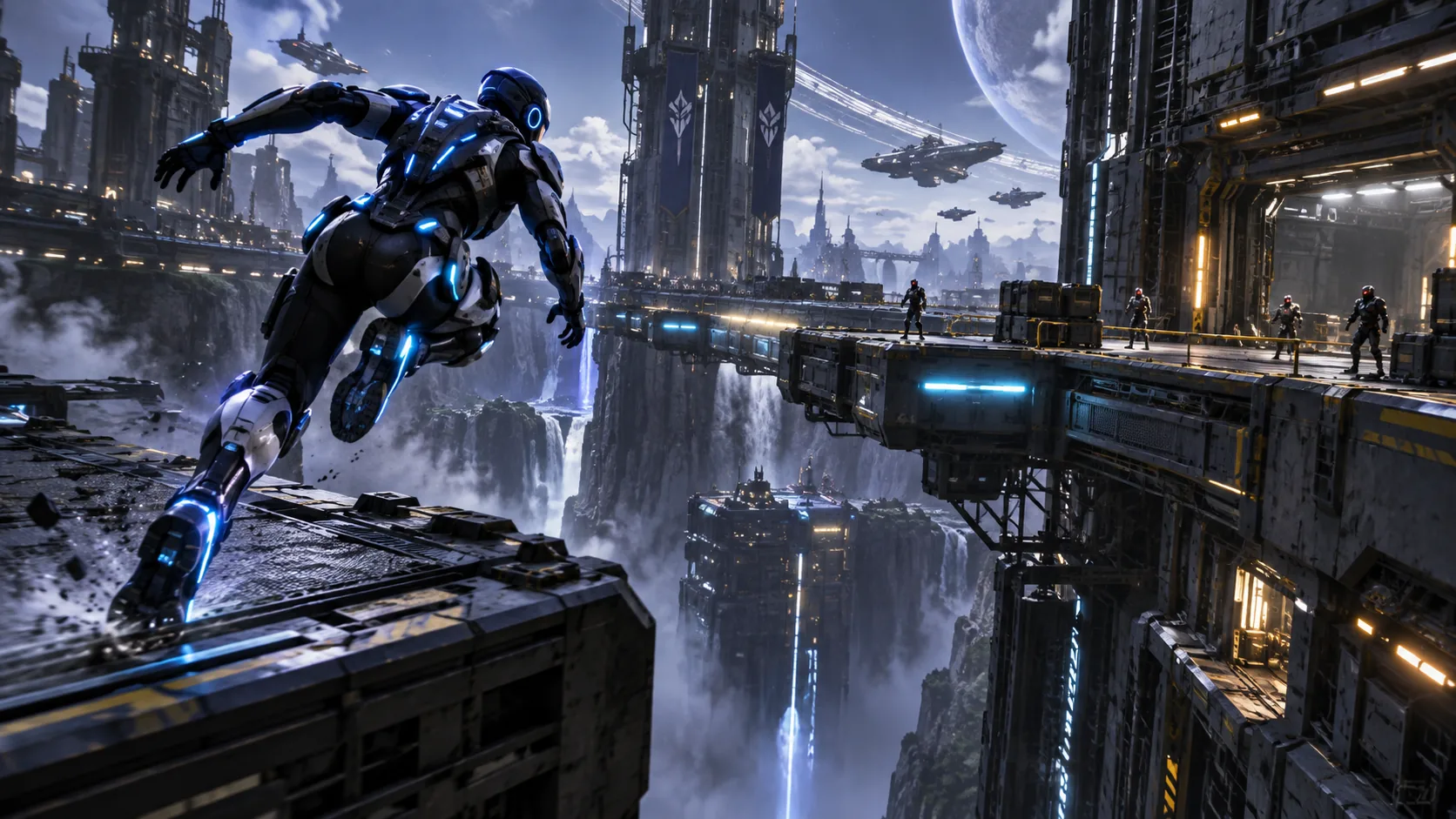
Mimic Gaming / Services
01 / The service
We bring design, art and technology together in the engine. A character is only finished when it responds; an environment matters when players can move through it; a cinematic has to meet the game around it. Development joins those pieces into an experience.
Our work can cover prototypes, real-time systems, content integration and the tools that help a production team keep building. We plan around the intended engine, platform and performance budget, so creative decisions and technical constraints develop together rather than collide at the end.
We test how things feel in play: the clarity of a movement, the timing of an interaction, the transitions between animation and control, and the stability of the world on screen. The aim is a game whose craft holds together in motion.
02 / What we make
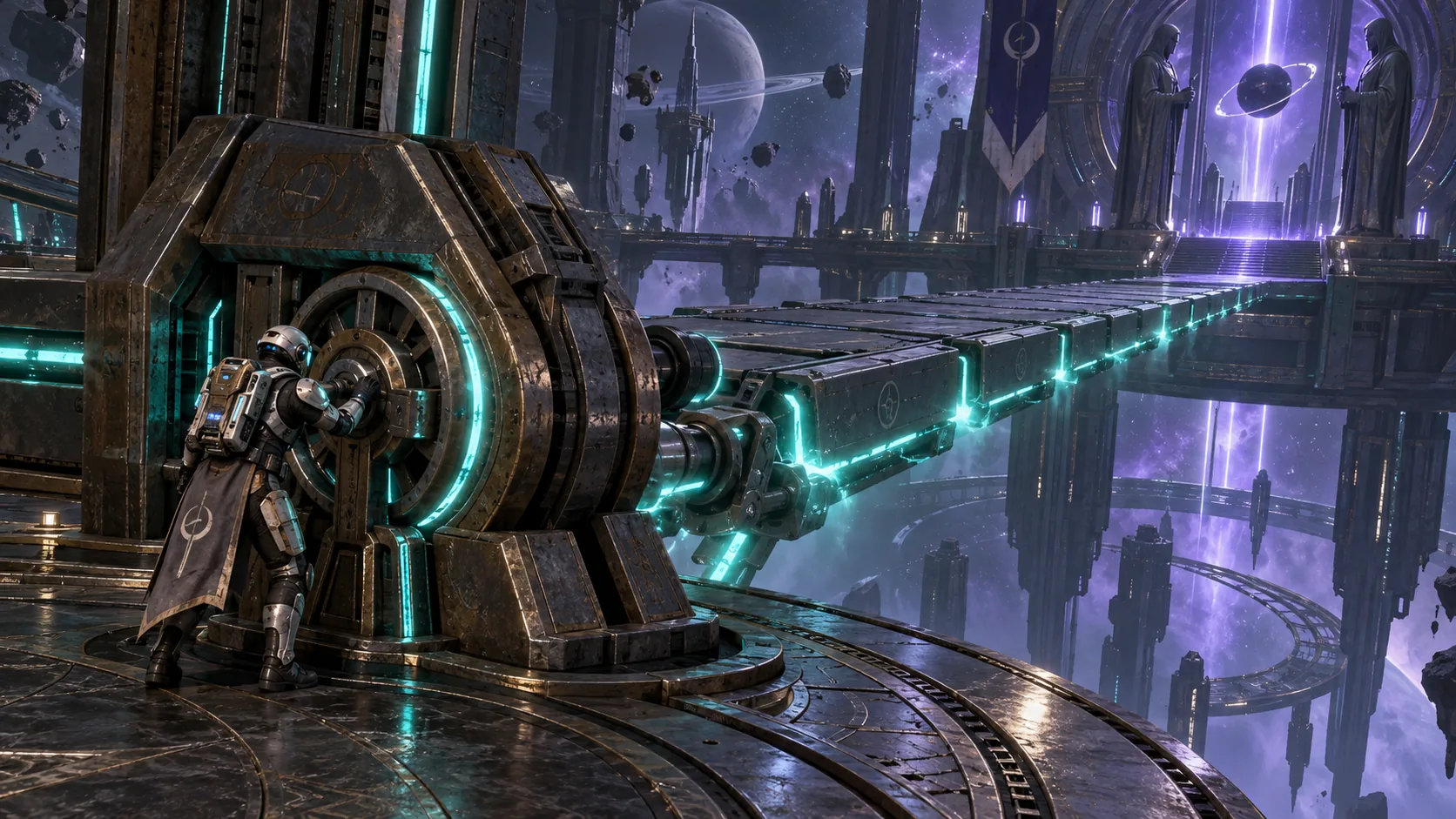
Art, animation and implementation meet in playable systems prepared for your target engine.
03 / How we work
We work around the mechanic and the player experience, then iterate in the build where decisions can be felt.
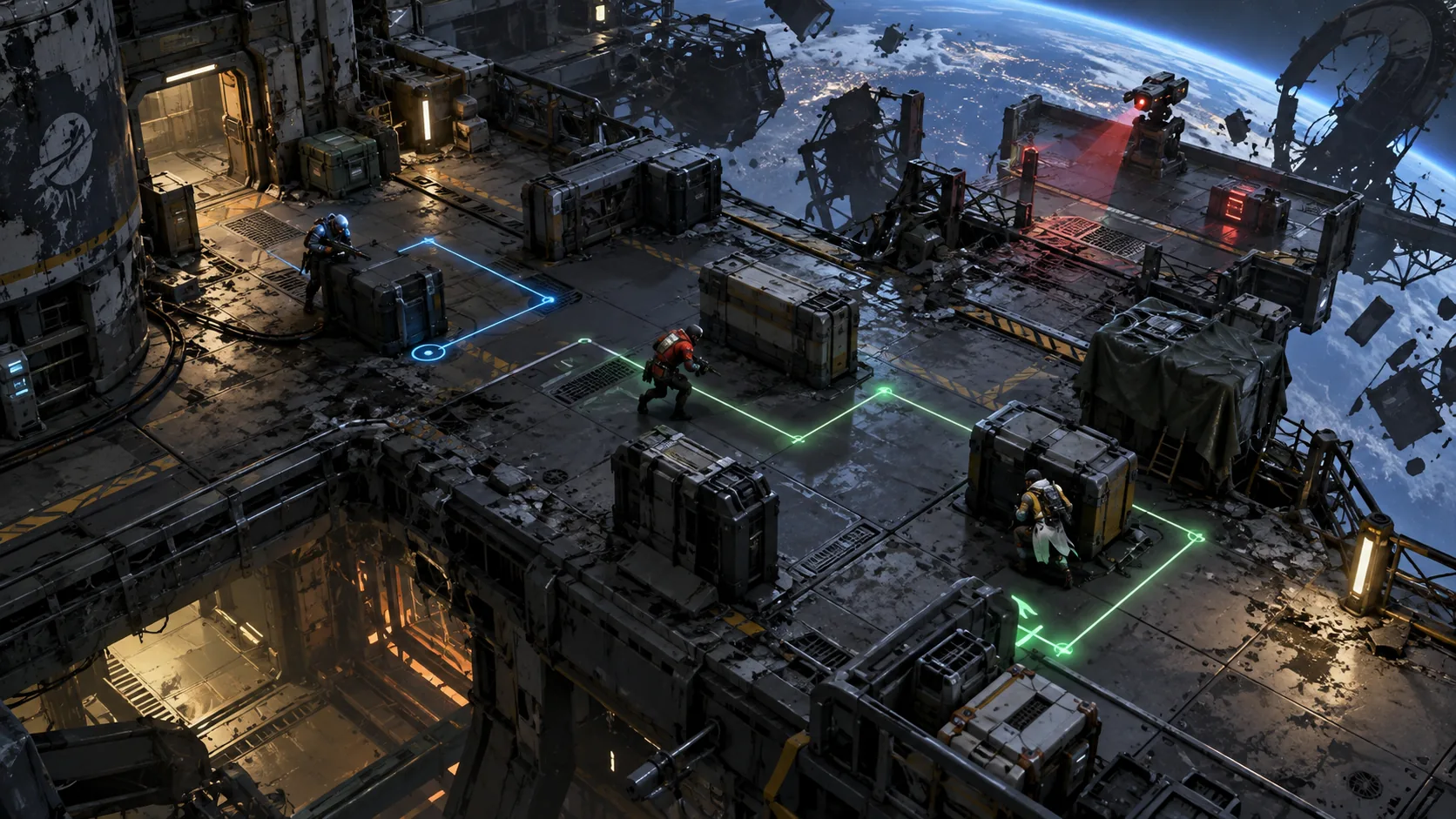
We test the central interaction and visual direction early.
We connect content, behaviour and real-time technology.
We review feel, readability and performance through iteration.
Your production
For teams seeking a defined development contribution alongside art, character and animation production. Start with one playable interaction or integration task; confirm the required discipline and available capacity during scoping.
We scope the systems, tools or integrations against the target engine version and build process. Agree source-code ownership, dependency versions, setup instructions, a playable test build and known-issue records. Confirm Unreal Engine, Unity or proprietary-engine requirements during scoping rather than assuming a universal integration package.

Every discipline builds the same world.
Make it with Mimic
Tell us what you are building and the production support it needs.
Discuss your development brief ↗