

How much should a studio budget for 3D game art outsourcing in 2026?
A practical budget depends less on a single market rate than on what must be built, how production-ready it needs to be, and how tightly the external team must integrate with your pipeline. A simple prop and a cinematic hero character are both 3D assets, but they demand very different amounts of concept work, modeling, surfacing, rigging, optimization, review, and technical validation.
For producers comparing partners, the useful question is not only “What is the price?” It is “What outcome is included in that price?” Mimic Gaming supports studios with custom characters, environments, animation, motion capture, and engine-ready development support, so this guide explains the cost drivers across the full production chain.
What is included in 3D game art outsourcing?
3D game art outsourcing means assigning a defined part of art production to an external specialist while the game studio keeps ownership of the creative direction, product decisions, and approval process. The outsourced scope can be narrow, such as a set of props, or broad enough to cover characters, environments, animation, technical art, and in-engine implementation.
A complete quote may include concept interpretation, high- and low-poly modeling, UVs, baking, texturing, materials, rigging, skinning, animation, LODs, collision, naming conventions, source files, and engine validation. Studios should confirm whether the vendor is delivering attractive portfolio renders or truly optimized assets for Unreal, Unity, or a proprietary engine. That difference has a major effect on both cost and production risk.
The strongest outsourcing relationships operate as a team extension rather than a handoff box. The partner understands the style bible, polygon and texture budgets, shader conventions, source-control rules, review gates, and acceptance criteria. That additional integration work raises the initial setup effort but usually reduces rework later.
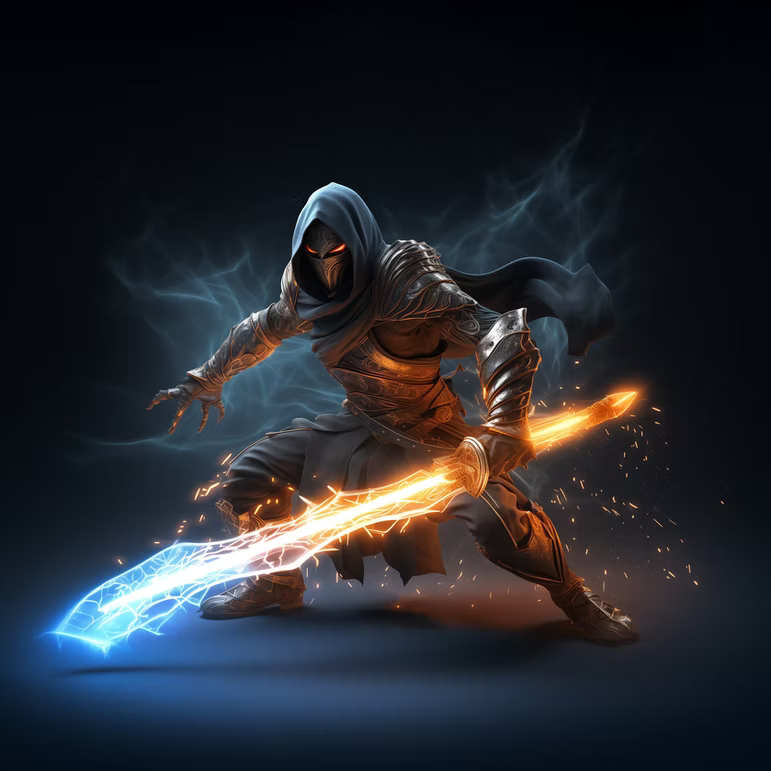
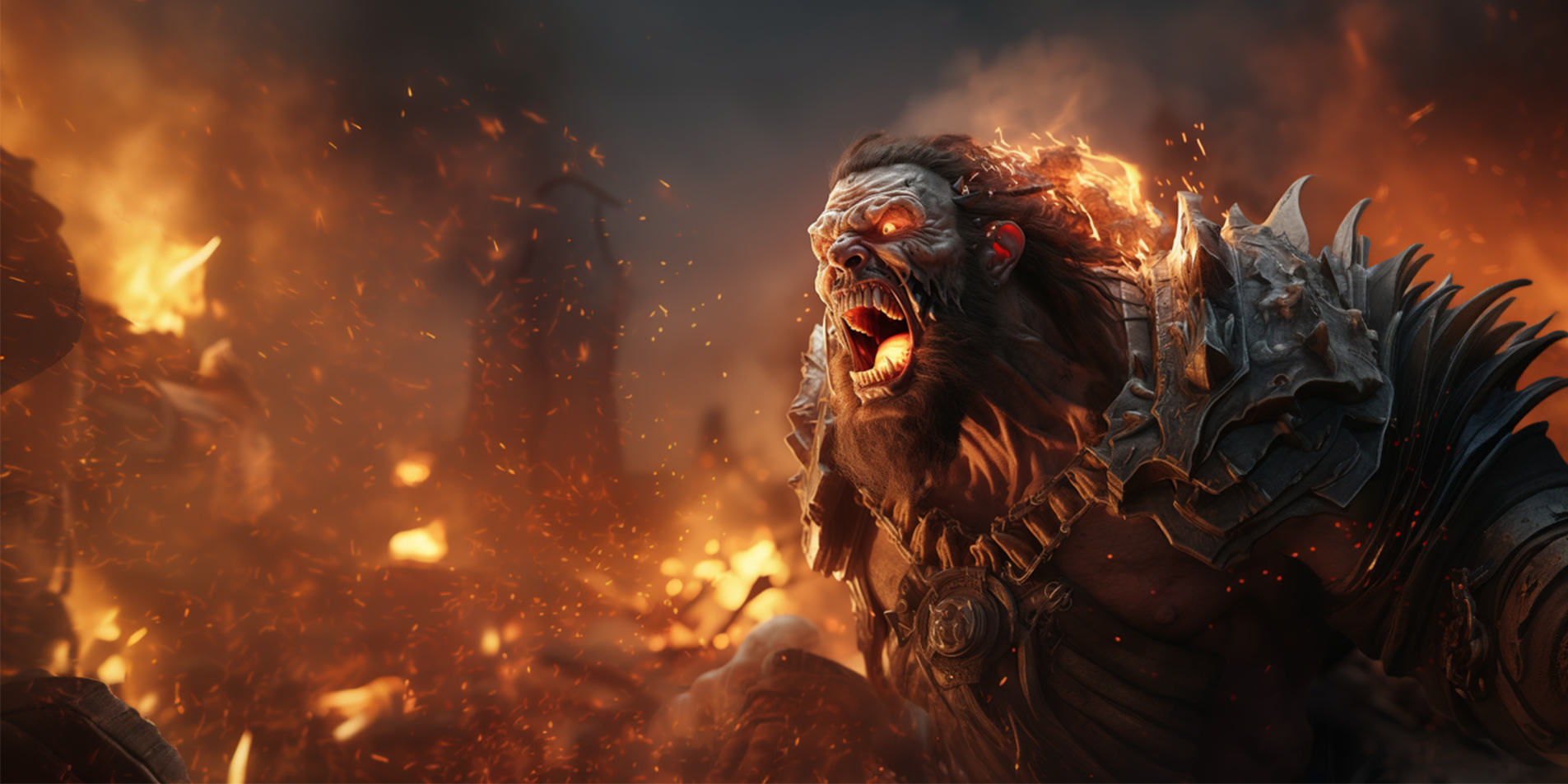
Character production: concept interpretation, anatomy, clothing, hair, materials, facial setup, rigging, and engine tests.
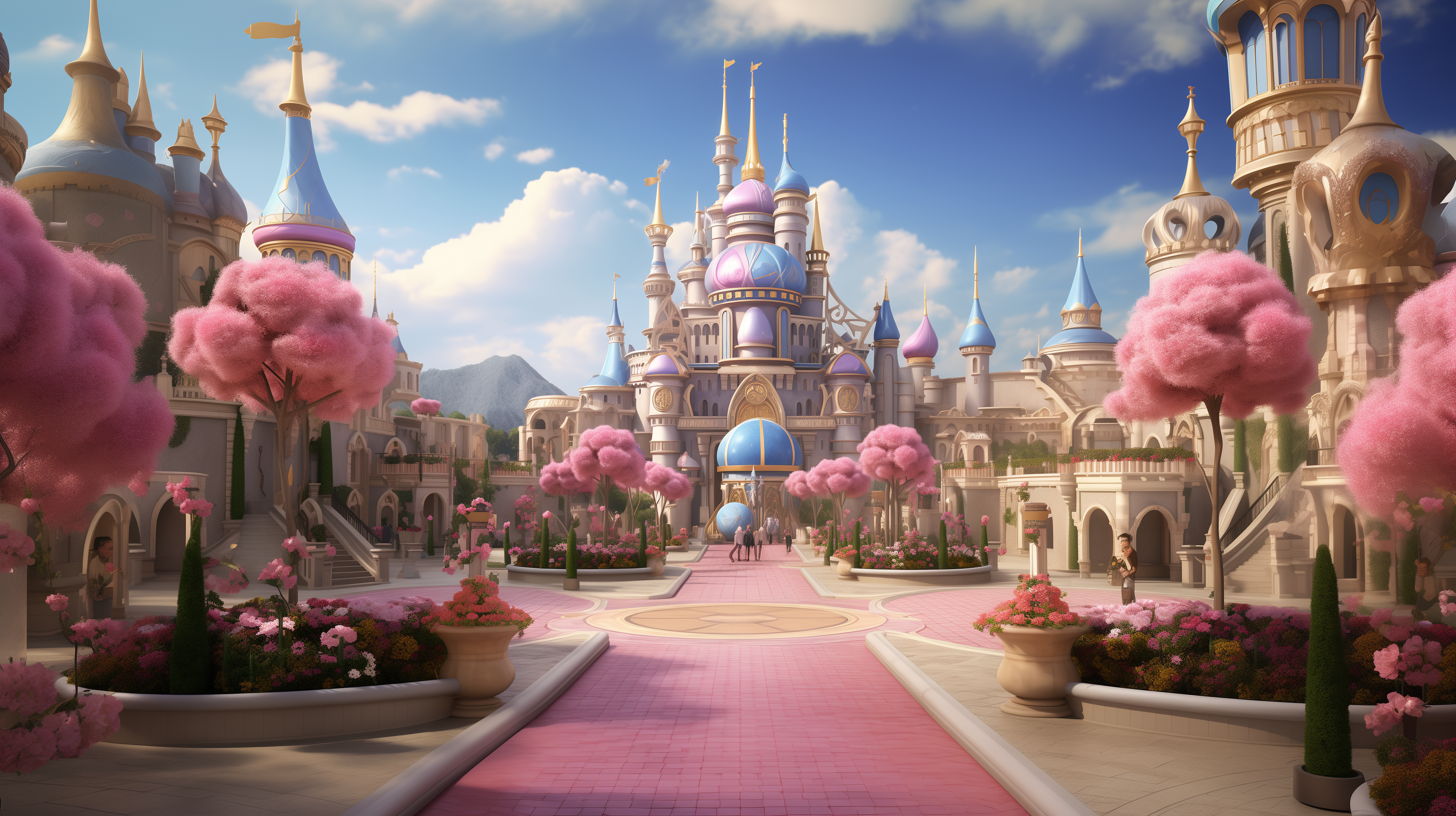
Environment production: modular kits, architecture, foliage, props, materials, lighting support, collision, and performance budgets.
Animation and performance: keyframe animation, body or facial capture, cleanup, retargeting, blending, and gameplay implementation.
Technical support: shaders, tools, automation, LOD strategy, profiling, export validation, and pipeline documentation.
What are typical 3D game art outsourcing cost ranges?
Public price lists can be misleading because the same label may describe radically different deliverables. A “character model” might mean a simple background NPC with one material, or a hero asset with scanned likeness, groom, layered clothing, facial blendshapes, a production rig, and cinematic close-up quality. For planning, use ranges as conversation starters rather than fixed promises.
A small, well-specified prop may require a few production days. A complex environment kit can require several artist-weeks. A hero character can span multiple disciplines and many review cycles. Animation is commonly estimated by shot length, movement complexity, number of characters, capture requirements, cleanup quality, and integration work. Costs also change with schedule compression, language and time-zone coverage, security requirements, and the seniority mix required.
The most reliable estimate is therefore a scope-based quote built from a representative asset list. Ask the partner to separate assumptions, included review rounds, technical deliverables, and optional services. If possible, begin with one paid pilot asset. The pilot gives both teams real evidence about velocity, communication, visual fit, and engine readiness before a larger commitment.
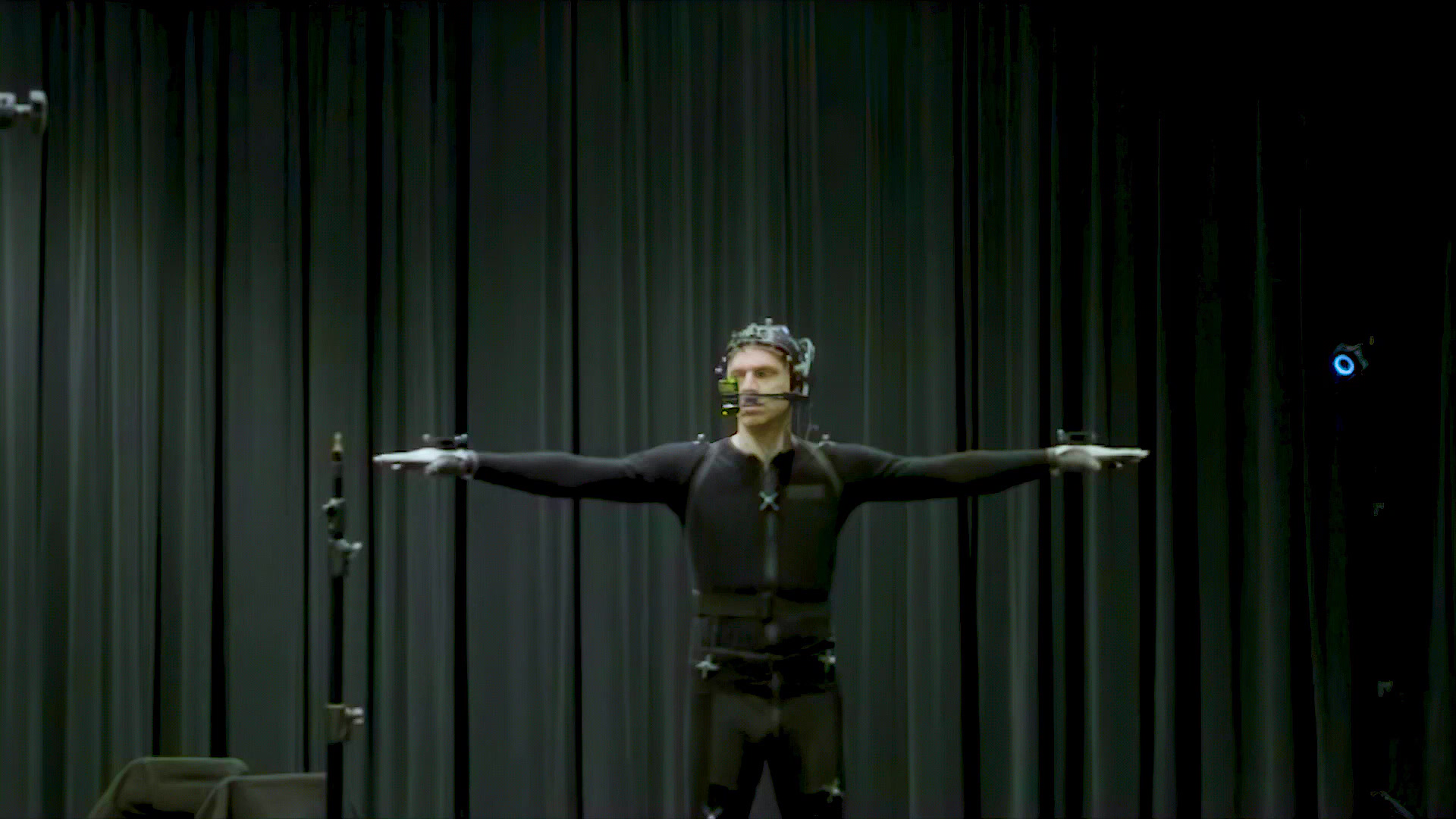
For scopes that include realistic motion, review how game motion capture and cleanup are estimated separately from performance direction, stage time, retargeting, and final animation polish. Bundling these steps without definitions makes proposals difficult to compare.
Which factors change the final price?
The largest cost driver is complexity, but complexity is multidimensional. Visual fidelity matters, yet technical constraints, uncertainty, and the number of stakeholders can add just as much work. A stylized asset is not automatically cheaper than a realistic one; a highly specific stylized language may demand more iteration to match.
Asset complexity: silhouette, anatomy, hard-surface detail, layers, accessories, topology, materials, and deformation needs.
Target fidelity: camera distance, platform, frame-rate target, texture resolution, lighting model, and cinematic versus gameplay use.
Technical readiness: LODs, collision, sockets, rig standards, shader setup, blueprints, prefabs, naming, and source-control integration.
Art-direction maturity: clear concepts and measurable references reduce interpretation cycles; unresolved designs push discovery into production.
Feedback latency: consolidated, timely notes keep artists moving; contradictory or delayed feedback creates idle time and repeated work.
Schedule and scale: parallel delivery may require more leads, coordinators, reviewers, licenses, and secure infrastructure.
Environment scope is especially sensitive to modularity and performance. Read Mimic Gaming’s guide to the technical art pipeline to see why validation, profiling, and engine integration must be planned alongside modeling rather than postponed until the end.
IP sensitivity can also affect the operating model. Secure file exchange, restricted access, audit trails, isolated teams, and NDA requirements are normal for confidential productions, but they should be discussed before quoting. A mature partner will treat security as a production requirement, not an afterthought.
Which pricing model works best?
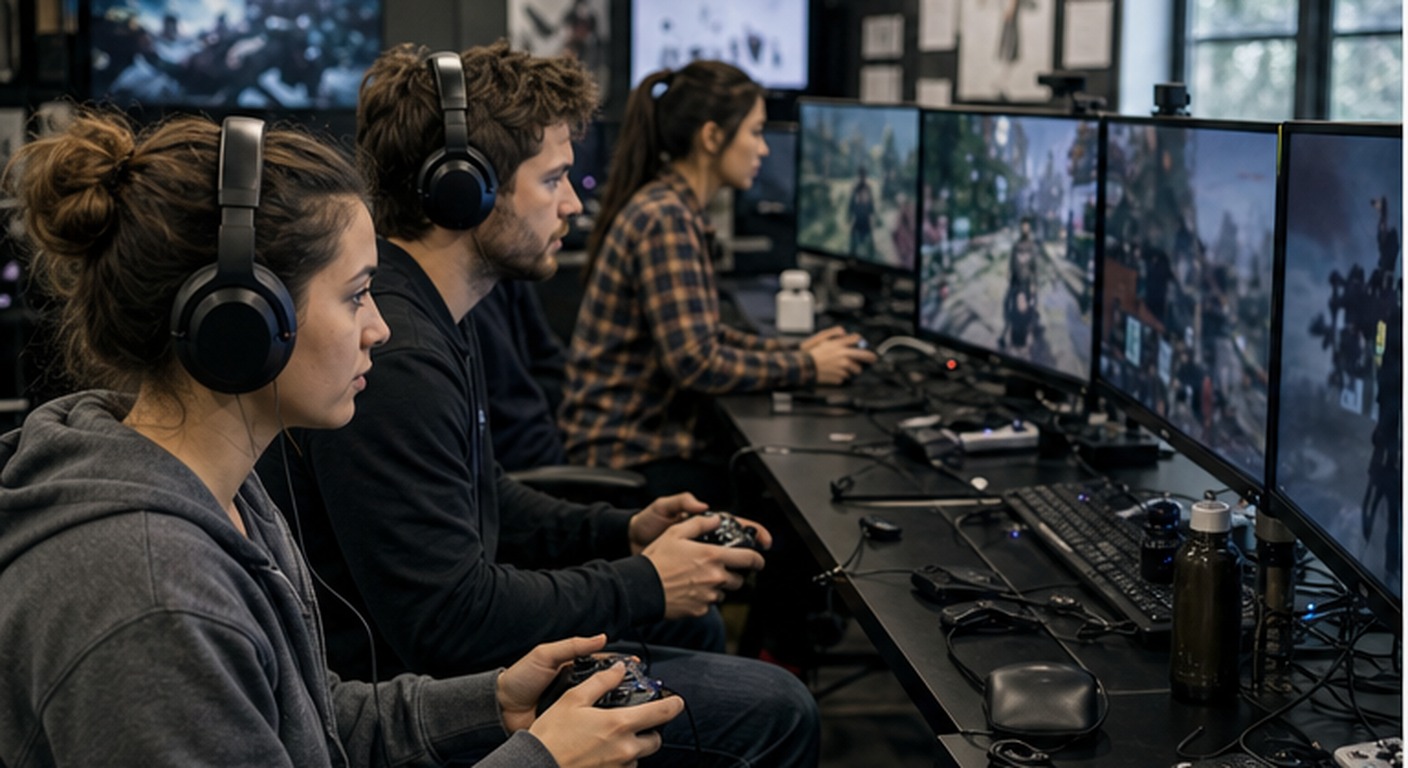
Fixed-price work is effective when the asset list, references, acceptance criteria, and review limits are stable. It gives the buyer budget predictability, but the vendor must price uncertainty into the quote. If art direction is still evolving, change requests can quickly become the central issue.
Time-and-materials or dedicated-team pricing is better for changing backlogs, embedded collaboration, technical exploration, and live production support. The buyer pays for capacity and can reprioritize work, while governance focuses on sprint goals, utilization, velocity, and quality. This model requires transparent reporting and a disciplined product owner.
A milestone model works well for larger packages. Discovery, pilot, production, integration, and final acceptance are priced or approved in stages. It limits exposure for both parties and creates formal checkpoints for style, quality, and pipeline compatibility.
Some projects are closer to game co-development than classic outsourcing because the partner contributes design judgment, tools, code, and continuous production ownership. In that case, compare team capability and governance—not only per-asset rates.
How does the outsourcing workflow affect cost?
A clear workflow turns cost into predictable output. The first phase should align the style bible, technical specification, file structure, communication channels, approval owners, and definition of done. A kickoff without these elements often produces attractive work that fails downstream checks.
Next comes a representative pilot. For a character, that might include blockout, high-poly approval, topology, textures, rig test, and engine import. For an environment, it might include one modular set, material library, lighting test, collision, and performance validation. Approving checkpoints early is cheaper than discovering a mismatch at final delivery.
Animation-heavy scopes need an equally explicit route from performance to gameplay. Mimic Gaming’s real-time gameplay animation pipeline shows how capture or authored motion moves through cleanup, retargeting, state logic, blending, and engine testing.
Production then scales through batches. Each batch should have measurable acceptance criteria, consolidated feedback, version control, and a short retrospective. Leads track recurring issues and update templates or documentation so the same mistake is not repeated across dozens of assets. This continuous improvement is one reason an experienced studio can outperform a cheaper rate with a weak pipeline.
How can studios control cost without lowering quality?
The safest cost reduction comes from removing ambiguity and avoidable work. Provide approved concepts, orthographic views where needed, material references, target-platform constraints, example source files, naming rules, and a ranked quality bar. Separate must-have requirements from desirable polish so tradeoffs are deliberate.
Create asset tiers for hero, supporting, background, and reusable library content.
Freeze a representative benchmark asset before scaling the team.
Batch feedback through one accountable art or production lead.
Reuse approved trim sheets, material libraries, skeletons, rigs, and modular systems where appropriate.
Validate assets in the target engine throughout production, not only at final delivery.
Track first-pass approval rate, revision causes, integration defects, and cycle time—not just assets completed.
Avoid cutting the steps that protect downstream production. Removing rig tests, LOD checks, shader validation, or source-file delivery may lower the initial quote while transferring cost to your internal team. A cheaper asset that requires repair, re-export, and repeated integration is not cheaper.
For photoreal projects, 3D scanning services for games can reduce some manual capture work, but scans still require cleanup, topology, texture processing, rig preparation, optimization, and artistic supervision. Budget for the full path to a usable asset.
How should you compare 3D game art outsourcing studios?
Compare studios on evidence that matches your production. A beautiful reel is useful, but ask what each team actually delivered, which engine constraints they handled, how assets were validated, and whether the work shipped. Request examples at the same fidelity, genre, platform, and technical complexity as your scope.
Evaluate the proposed team, not only the company logo. Who will lead art, supervise technical quality, manage schedules, and communicate with your producers? Ask how the studio handles staff continuity, peak capacity, specialist needs, and escalation. A strong lead and stable core team often matter more than the maximum headcount on a sales deck.
Relevant shipped work and clearly explained contribution boundaries.
A documented production pipeline with review gates and engine validation.
Transparent assumptions, exclusions, change-control rules, and reporting.
Security practices suited to unreleased IP and confidential source files.
Capacity to scale without replacing the senior people who established the benchmark.
Communication cadence that matches your time zone, tools, and decision process.
Mimic Gaming combines character and environment art, cinematic animation, game-development applications, motion capture, scanning, and engine support. Studios can review the full service offering and then discuss a pilot designed around a real production challenge.
Frequently asked questions
How much does 3D game art outsourcing cost?
There is no universal price because cost depends on asset type, fidelity, technical deliverables, review cycles, schedule, and team model. A scoped estimate based on representative assets is more reliable than a generic per-asset figure.
What should a 3D game art quote include?
It should define deliverables, source files, technical specifications, review rounds, milestones, acceptance criteria, schedule, assumptions, exclusions, change control, and whether engine integration is included.
Is outsourcing cheaper than hiring an in-house team?
It can reduce long-term hiring overhead and give faster access to specialists, but value depends on utilization, management effort, rework, and integration quality. Compare total production cost, not hourly rates alone.
Should an indie studio outsource 3D game art?
Yes, when the scope is well defined and outsourcing fills a capability or capacity gap. A small paid pilot is a sensible way to test fit before committing a large share of the art pipeline.
What is the difference between game art outsourcing and co-development?
Outsourcing usually delivers defined assets or services. Co-development involves deeper, ongoing ownership across design, art, engineering, tools, or production decisions.
How long does outsourced 3D game art take?
Timelines range from days for straightforward assets to weeks or months for complex characters, environments, animation packages, or large batches. Reviews and technical validation must be included in the schedule.
Can outsourced assets be delivered for Unreal Engine and Unity?
Yes. The partner should follow the target engine’s naming, scale, rig, material, LOD, collision, import, and performance requirements and validate deliverables in the actual production environment.
How do studios protect confidential game IP when outsourcing?
Use NDAs, access controls, secure transfer and storage, least-privilege permissions, defined retention rules, auditability, and a clear incident process. Confirm requirements before sharing production files.
What is the best first project for a new outsourcing partner?
Choose one representative asset that tests the real visual and technical pipeline without threatening a critical milestone. Define checkpoints and use the result to calibrate estimates and collaboration.
Why choose Mimic Gaming for 3D game art outsourcing?
Mimic Gaming works as a flexible production partner across custom characters, environments, cinematic animation, motion capture, scanning, technical art, and engine-ready support for studios of different sizes.
Conclusion
3D game art outsourcing cost becomes manageable when scope, quality, technical readiness, and review ownership are explicit. Start with a representative asset, measure both visual and engine performance, then scale only after the workflow is proven. That approach protects milestones while giving internal teams access to specialized capacity.
Planning an outsourced character, environment, animation, or mocap package? Talk to Mimic Gaming about your production scope and build a pilot around the quality bar, engine, schedule, and delivery risks that matter to your game.
 September 28, 2026
 September 24, 2026
 September 22, 2026