
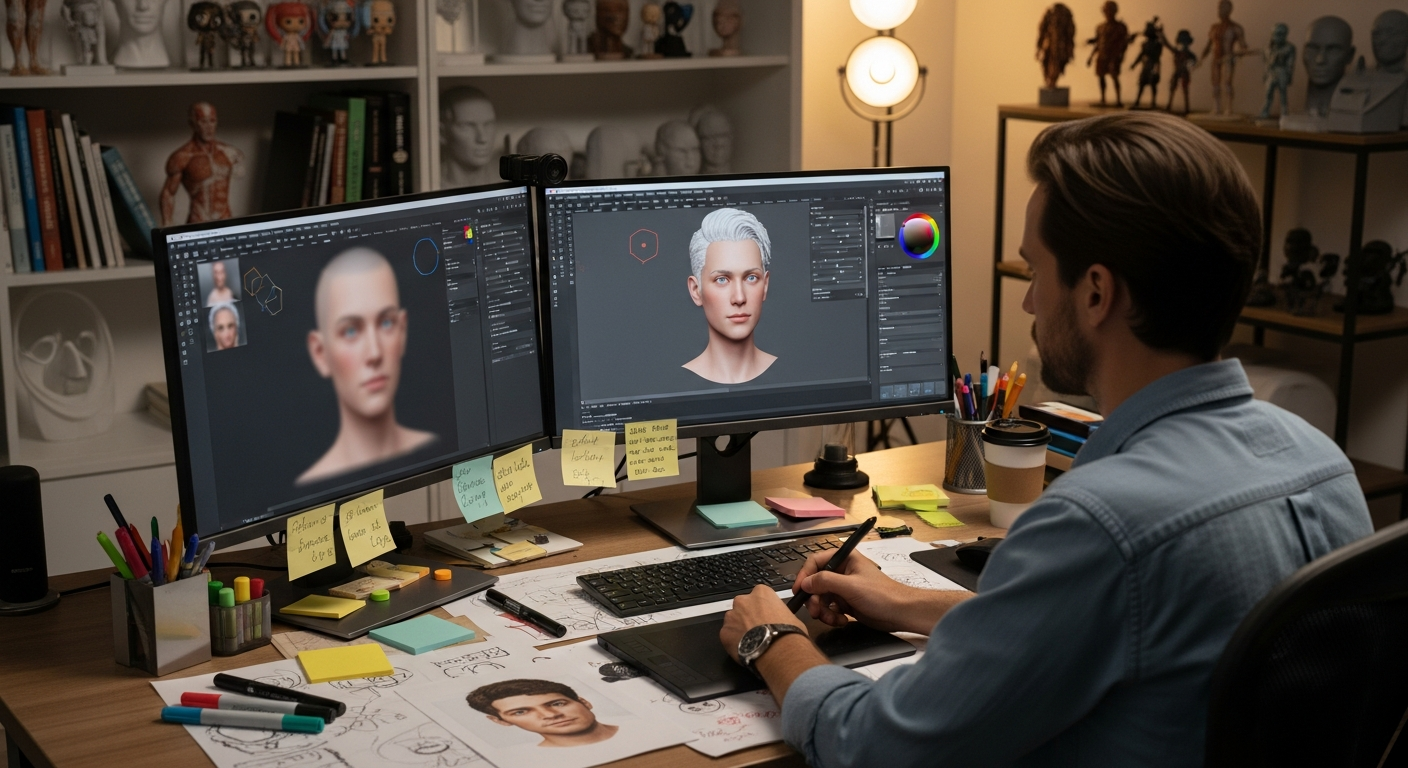
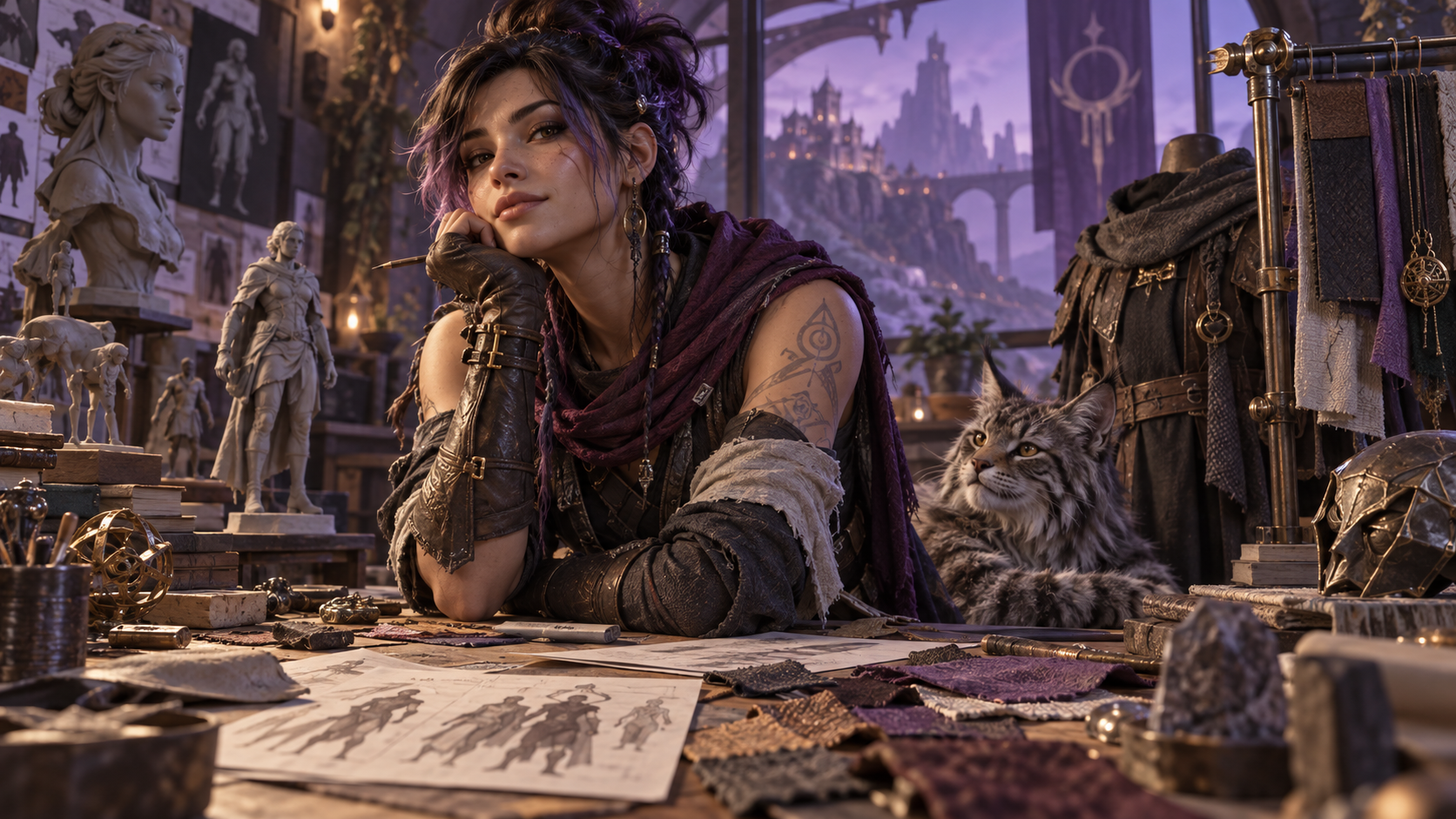
Video game character design is where art direction, gameplay readability, animation, narrative, and technical production meet. A strong character is not only memorable in a concept sheet. It must read clearly at gameplay distance, deform well in motion, support combat or interaction states, fit the world, and survive the engine constraints of the project.
For studios, that makes character design a production system rather than a single illustration task. The team needs silhouettes, costumes, facial language, props, rigs, materials, LOD rules, animation hooks, AI behavior needs, accessibility checks, and QA criteria to work together from the beginning.
Mimic Gaming supports teams across character art, NPC pipelines, motion capture, animation cleanup, technical art, and engine-ready delivery. This guide explains how to plan character design so the final asset can move from idea to playable build without losing personality or production control.
What Video Game Character Design Includes
Video game character design includes every decision that makes a character recognizable, playable, animatable, and useful inside the game world. That begins with role and fantasy: hero, enemy, companion, vendor, crowd character, boss, player avatar, creature, or AI-driven NPC. Each role changes the design requirements.
A combat character needs readable hit zones, clean silhouettes, responsive poses, and animation states that communicate threat. A story character needs facial nuance, costume logic, emotional range, and cinematics support. An AI NPC needs behavior states, dialogue hooks, memory boundaries, and enough visual clarity for players to understand intent.
This is why character design connects directly to Mimic Gaming's AI NPC pipeline, motion capture services, and technical art workflow. A character cannot be judged only by the beauty of the final render. It must work during play, iteration, localization, optimization, and future updates.
Why Character Design Improves Production
Good character design improves production because it gives every team a shared target. Artists understand personality and style. Animators understand movement range. Technical artists understand rig, material, LOD, and export needs. Designers understand gameplay readability. Producers understand what must be approved before production scales.
Faster approvals: visual, animation, and engine criteria are reviewed together instead of sequentially.
Lower rework: silhouettes, rigs, materials, and gameplay states are tested before final polish.
Better player recognition: characters remain readable during combat, dialogue, exploration, and UI presentation.
Cleaner outsourcing: external teams can deliver character assets that match the studio's real pipeline.
Concept Art vs Production Character Design
Concept art explores identity, mood, anatomy, costume, props, and visual direction. Production character design turns that direction into an asset plan. Both are essential, but they answer different questions.
Concept focus: silhouette, personality, costume language, shape design, cultural references, color palette, and emotional tone.
Production focus: topology, scale, deformation, texture sets, shader cost, rig rules, animation states, camera distance, LODs, collision, and engine import behavior.
Review focus: concept reviews ask whether the character feels right. Production reviews ask whether the character feels right and works in gameplay. That second review should include the technical art pipeline, not only the art director's approval board.
Character Design Data Checklist
A character becomes hard to maintain when the team tracks only the final model. Production-ready character design needs a data package that explains what the character is, how it moves, where it appears, what systems it touches, and what permissions or source materials are attached to it.
Creative data: role, personality, silhouette notes, costume logic, props, color rules, facial range, and reference boundaries.
Asset data: source files, high and low meshes, UVs, texture sets, material slots, scale, pivot, LODs, and collision.
Motion data: skeleton version, rig controls, facial setup, mocap clips, retargeting notes, root motion, and blend states.
Gameplay data: AI states, combat roles, dialogue hooks, camera distances, hit reactions, customization slots, and accessibility concerns.
Governance data: licensed references, scan permissions, performer consent, AI-assisted steps, reuse limits, and localization notes.
Use Cases Across Game Genres
Different genres change what character design must solve. A stylish character can fail if the genre demands are ignored. The same studio may need wildly different rules for FPS enemies, RPG companions, simulation crowds, XR avatars, and cinematic story characters.
FPS and action games: emphasize readable silhouettes, threat poses, hit feedback, weapon handling, ability telegraphs, and animation timing. See Mimic Gaming's FPS environment design article for related player-flow context.
RPG and story games: prioritize identity, emotional performance, costume systems, faction language, dialogue staging, facial animation, and cinematic continuity.
Simulation and open-world games: plan crowds, variants, modular outfits, memory budgets, behavior states, traversal needs, and distance-based detail rules.
Implementation Workflow for Studios
The safest workflow starts before modeling. Define the character's role, camera distance, platform, engine, animation needs, AI behavior, customization scope, and performance budget. Then build a small proof asset before committing to a full character roster.
Brief the character with gameplay purpose, visual references, do-not-use references, target engine, and asset acceptance criteria.
Approve silhouette, shape language, costume logic, material direction, and animation readability before detail expands.
Create the production model, rig, textures, facial setup, LOD rules, and test animations in a controlled engine scene.
Validate the character in gameplay: camera, lighting, movement, combat, dialogue, AI states, memory, and platform performance.
Document fixes, lock standards, then scale the process to enemies, companions, crowds, bosses, and downloadable content.
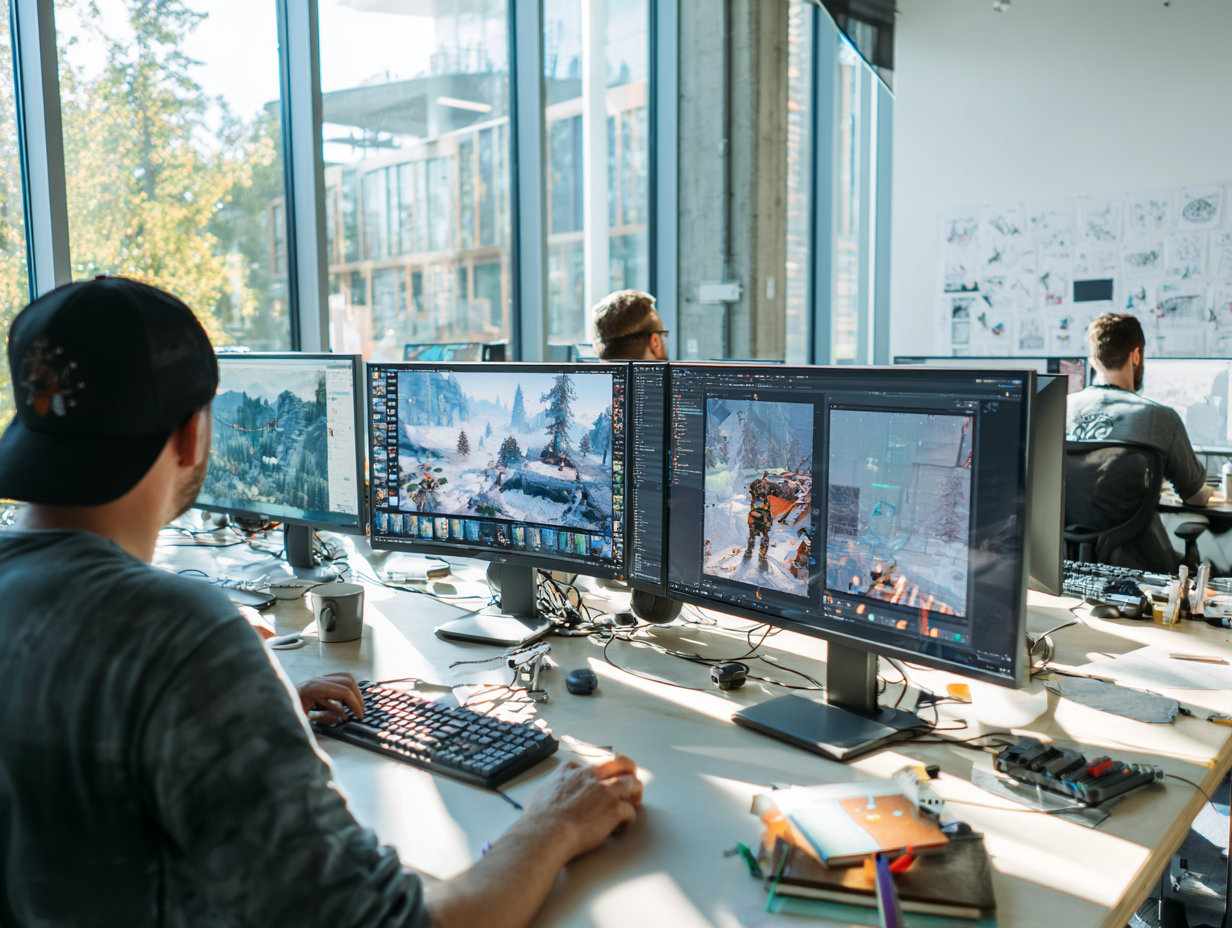
Animation-heavy teams should review this workflow alongside the real-time gameplay animation pipeline. A character can look finished in a turntable and still fail when blends, interrupts, root motion, or facial poses reach the engine.
Mistakes, KPIs, and Responsible Asset Use
Common mistakes include designing only for close-up marketing art, ignoring animation states until late, treating every NPC like a hero asset, approving characters without engine tests, and using references or AI-assisted material without clear ownership notes.
Useful KPIs include approval cycle time, rig rework hours, engine import success rate, animation defect count, texture memory, material cost, draw calls, facial performance quality, QA issues by character class, and player recognition in usability tests.
Responsible asset use matters more as studios combine scans, performers, AI tools, purchased assets, and global references. Teams should record consent, licensing, likeness limits, data retention, cultural review, and reuse rules so characters can be modified and shipped without creating avoidable risk.
Future Trends in Character Design
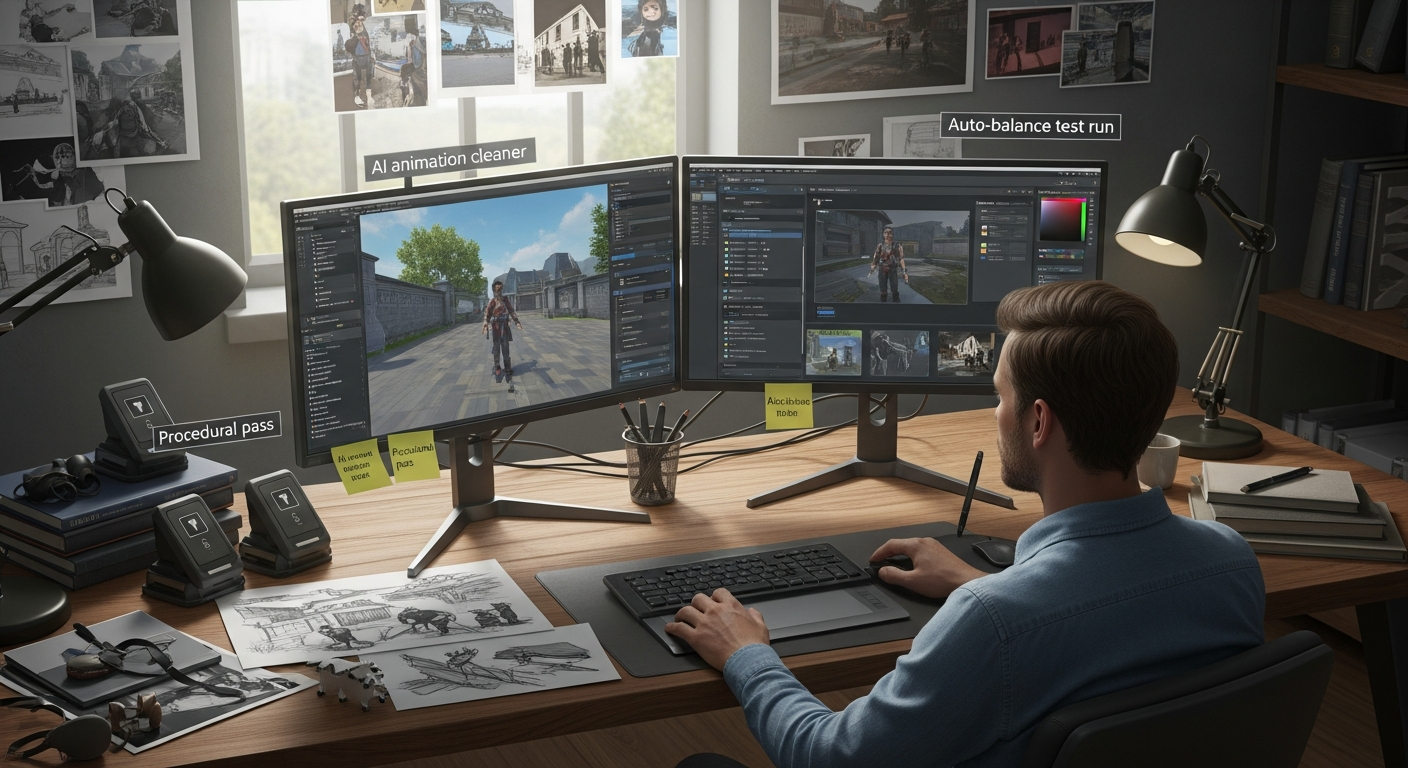
The next stage of video game character design will be more procedural, more personalized, and more connected to AI behavior. Studios will use modular character systems, smarter facial rigs, runtime customization, AI-assisted cleanup, automated validation, and performance dashboards to create larger casts without losing consistency.
AI-driven NPCs will increase the need for readable character intent. If a character can respond dynamically, remember context, or change behavior, the visual design must make that behavior understandable. Costume, posture, facial language, prop use, and animation feedback will all become part of the player interface.
The best teams will not replace art direction with automation. They will use automation to protect standards, catch production errors earlier, and give artists more room to design characters players remember.
FAQ
What is video game character design?
Video game character design is the process of creating characters that fit the story, gameplay, art direction, animation system, technical pipeline, and player experience of a game.
How is character design different from concept art?
Concept art explores the look and identity. Production character design turns that direction into a model, rig, material, animation, and engine-ready asset plan.
Why does character silhouette matter in games?
Silhouette helps players recognize a character quickly during motion, combat, exploration, and crowded scenes. It supports readability before details are visible.
What should a character design brief include?
It should include role, personality, references, restrictions, target engine, platform, camera distance, animation needs, AI behavior needs, texture rules, and acceptance criteria.
How does motion capture affect character design?
Motion capture affects anatomy, costume movement, rig planning, facial range, prop handling, combat timing, and how much cleanup is needed before animation enters the engine.
What makes a character engine-ready?
An engine-ready character has clean meshes, textures, materials, rig, skeleton, animation states, LODs, naming, collision, metadata, and verified engine behavior.
How should AI NPCs influence character design?
AI NPCs need visual and motion cues that communicate intent, state changes, memory, emotion, and interaction boundaries so players understand dynamic behavior.
How can Mimic Gaming support character production?
Mimic Gaming can support character design pipelines with NPC planning, motion capture, animation cleanup, technical art, engine integration, and production-ready game assets.
Conclusion
Video game character design succeeds when personality and production discipline move together. The best characters are readable, memorable, animatable, responsible to use, and reliable inside the engine. That requires concept art, 3D modeling, rigging, animation, technical art, AI behavior planning, and QA to share one workflow.
For studios planning character rosters, AI NPCs, gameplay animation, cinematics, or engine-ready asset pipelines, talk to Mimic Gaming about production support that keeps characters expressive, playable, and ready for real builds.
 June 10, 2026
 July 16, 2026
 July 13, 2026