
How do studios make a dragon, alien, monster, mech, or animal feel believable when the body does not exist in real life?
Creature animation for games is where imagination has to obey production rules. A creature can be impossible, but its movement still needs weight, intention, readable timing, emotional tone, and engine-ready control. Players may accept wings, extra limbs, oversized jaws, mechanical joints, or fantasy anatomy, but they quickly notice when a creature slides, floats, telegraphs poorly, or reacts without physical logic.
This guide explains how studios can build a practical creature animation pipeline, from biomechanical research and motion vocabulary to hybrid capture, rigging, gameplay integration, combat readability, and QA. It is written for teams that need non-human characters to work in trailers, cinematics, boss encounters, companion systems, real-time gameplay, and immersive worlds.
Why Creature Animation Needs Its Own Pipeline
Human animation can rely on familiar proportion, balance, gesture, and player expectations. Creature animation cannot. A quadruped, winged boss, crawling alien, giant beast, serpentine enemy, stylized companion, or mechanical hybrid needs its own physical rules. The movement has to explain anatomy the player has never seen before, often in the middle of combat or exploration where there is no time for confusion.
That is why Mimic Gaming treats creature and non-human movement as a dedicated production discipline. The work blends creative design, biomechanics, animation craft, motion capture principles, rigging, technical art, AI behavior, and engine integration. The goal is not only to make a creature look impressive. The goal is to make players instantly understand danger, personality, weight, intent, and interaction rules.
A strong pipeline also protects the rest of production. Encounter designers get readable attack timing. AI designers get movement states that support behavior trees. Cinematic directors get expressive acting choices. Technical animators get rigs that survive unusual anatomy. Art directors get motion that supports the creature’s silhouette and style. The creature becomes a system, not a one-off animation problem.
Start with Anatomy, Behavior, and Player Readability
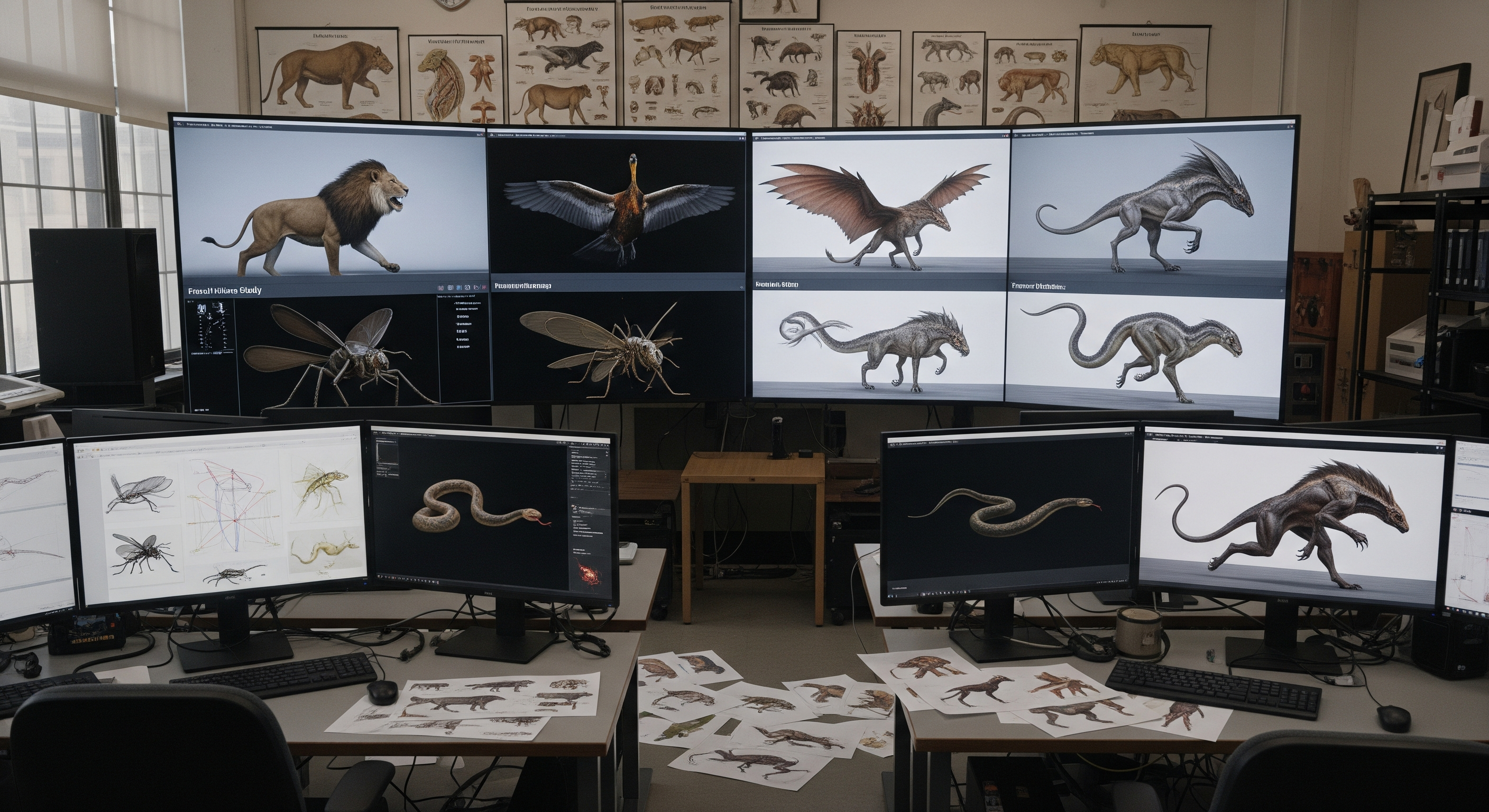
The first step is not animation software. It is movement logic. Teams should define what the creature is, how it survives, how it senses the world, how it attacks, how it rests, how it reacts to the player, and what emotional tone it carries. A stalking predator, loyal mount, gentle companion, insect swarm, floating alien, or heavy mech all need different motion vocabulary.
Good creature animation uses references without becoming trapped by them. Animal research helps with gait, weight transfer, breathing, balance, and posture. Mechanical references can help with limbs, armor, and folding parts. Human performance can help with intention, fear, aggression, curiosity, or intelligence. The art direction decides how much realism, stylization, exaggeration, or theatrical timing belongs in the final creature.
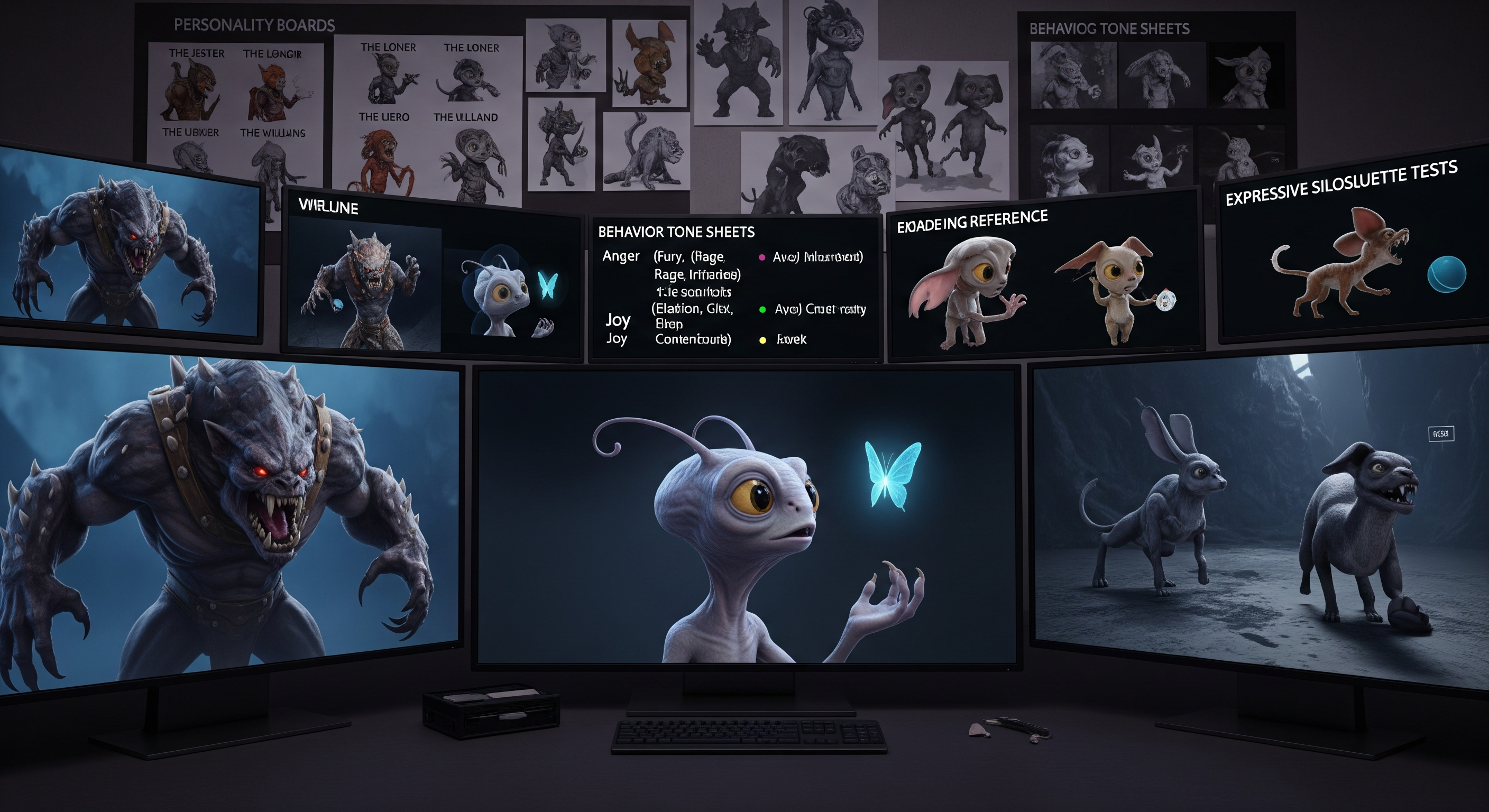
Readability is the production test that keeps the design honest. Players must understand when a creature is about to leap, bite, dodge, charge, retreat, roar, guard, stumble, or recover. This links directly to character performance and animation because the same expressive principles that make human characters believable also help non-human characters communicate intent through posture, timing, and rhythm.
Define the creature’s role before defining its animation list.
Map weight, center of gravity, limb function, and silhouette changes.
Separate combat readability from cinematic flourish so gameplay remains fair.
Blend Mocap, Keyframe, and Procedural Animation
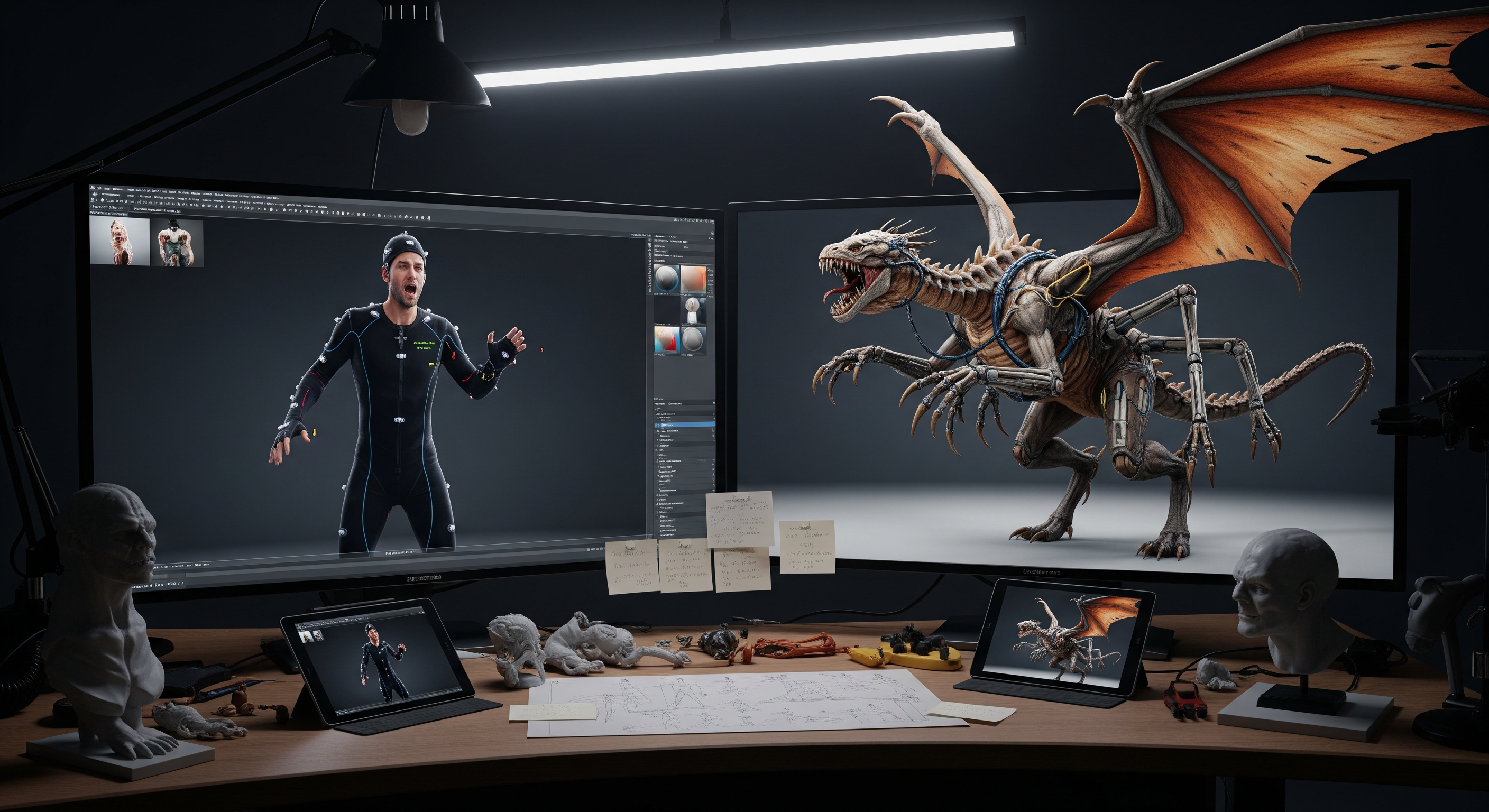
Creature motion rarely comes from a single method. Motion capture can provide timing, intention, impact, and performer energy. Keyframe animation can reshape that performance for impossible anatomy, cleaner silhouettes, and stronger gameplay beats. Procedural animation can add secondary motion, terrain response, tail follow-through, wing adjustment, antenna movement, cloth, physics, or reactive balance in real time.
For many game teams, the smartest approach is hybrid. Mimic Gaming’s motion capture and animation workflows can capture the performer’s physical intention, then adapt it for monsters, animals, hybrids, stylized characters, or mechanical creatures. That gives animators a grounded starting point while preserving the freedom to exaggerate anatomy and make the motion match the game’s world.
Procedural systems should be planned early, not patched in late. Wings, tails, tentacles, extra limbs, cloth, fur, antennae, armor plates, and flexible spines may need runtime behavior that responds to speed, collisions, slope, camera distance, or player action. If those hooks are part of the animation design from the beginning, the creature feels alive without requiring a custom hand-authored clip for every possible situation.
Build Rigs and Movement Libraries for Gameplay
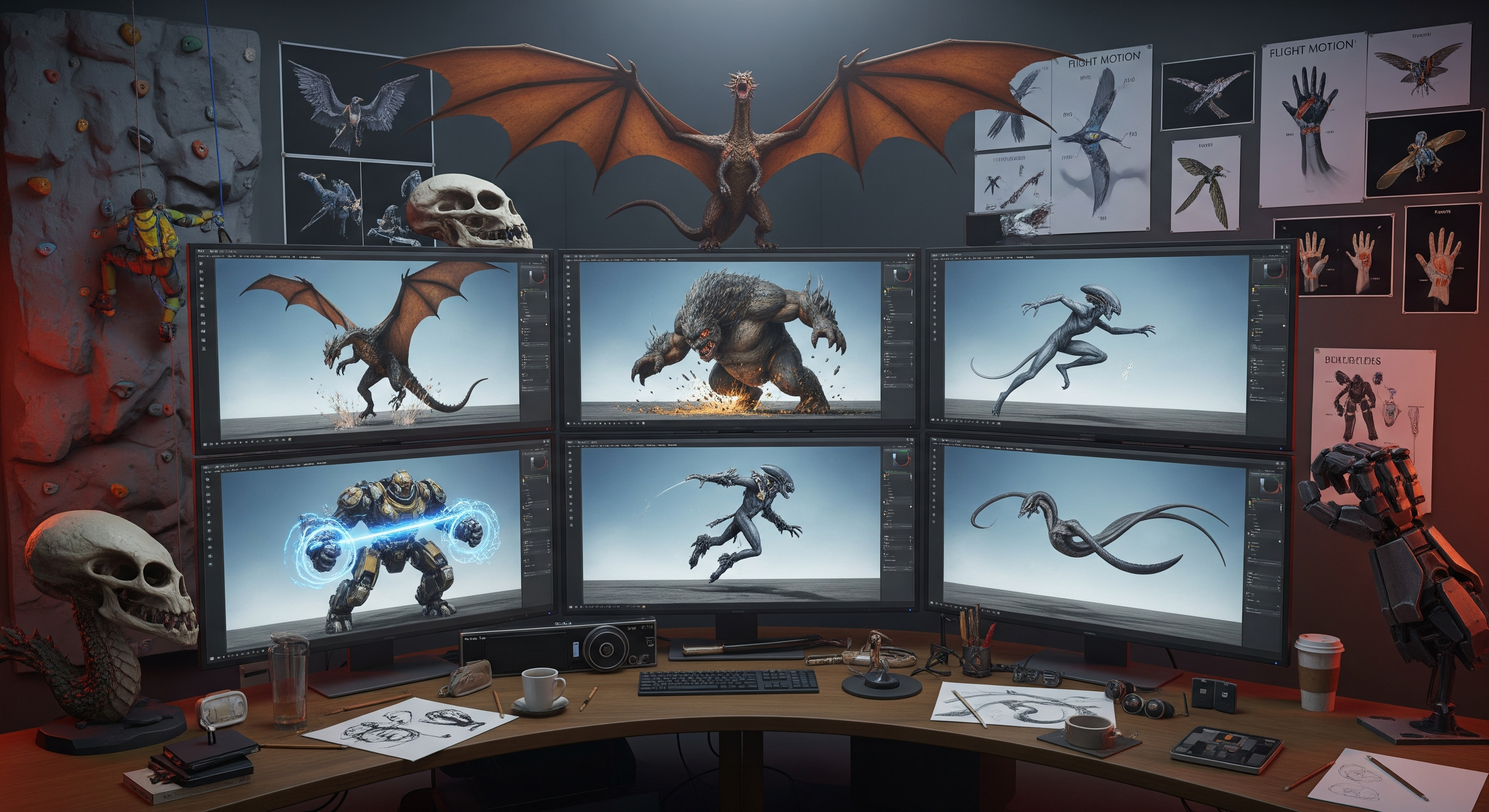
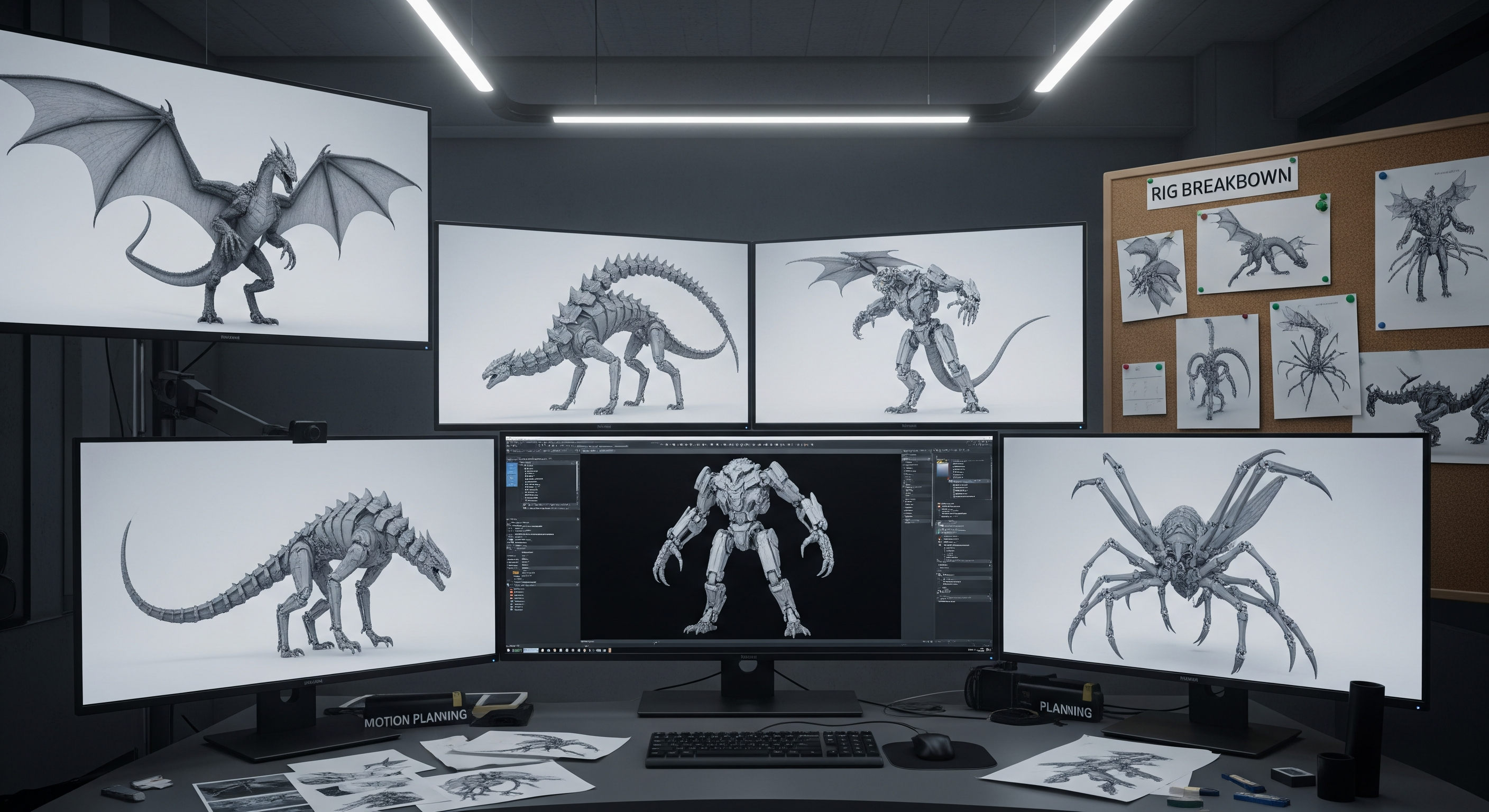
The rig is where creative possibility meets production reality. A creature rig has to support the anatomy, the animation team, the engine, and the expected gameplay states. It may need custom controls for wings, jaws, claws, necks, spines, tails, extra limbs, layered facial expression, squash and stretch, or mechanical segments. It also needs clean deformation so the creature still looks intentional during extreme poses.
Movement libraries should be organized around game use, not only animation categories. A boss creature may need patrol, alert, wind-up, attack, impact, dodge, stagger, recover, roar, death, cinematic close-up, and idle variations. A companion creature may need follow, wait, search, react, emote, assist, and narrative beats. A flying creature may need takeoff, banking, dive, perch, hover, landing, glide, and procedural wing correction.
This is where real-time gameplay animation and technical art and tools become essential. Animation clips must blend cleanly, trigger predictably, fit the frame budget, and leave room for IK, physics, navigation, AI decisions, and player interruption. A beautiful offline creature animation still needs technical structure to survive inside gameplay.
Test Creature Motion Inside the Engine
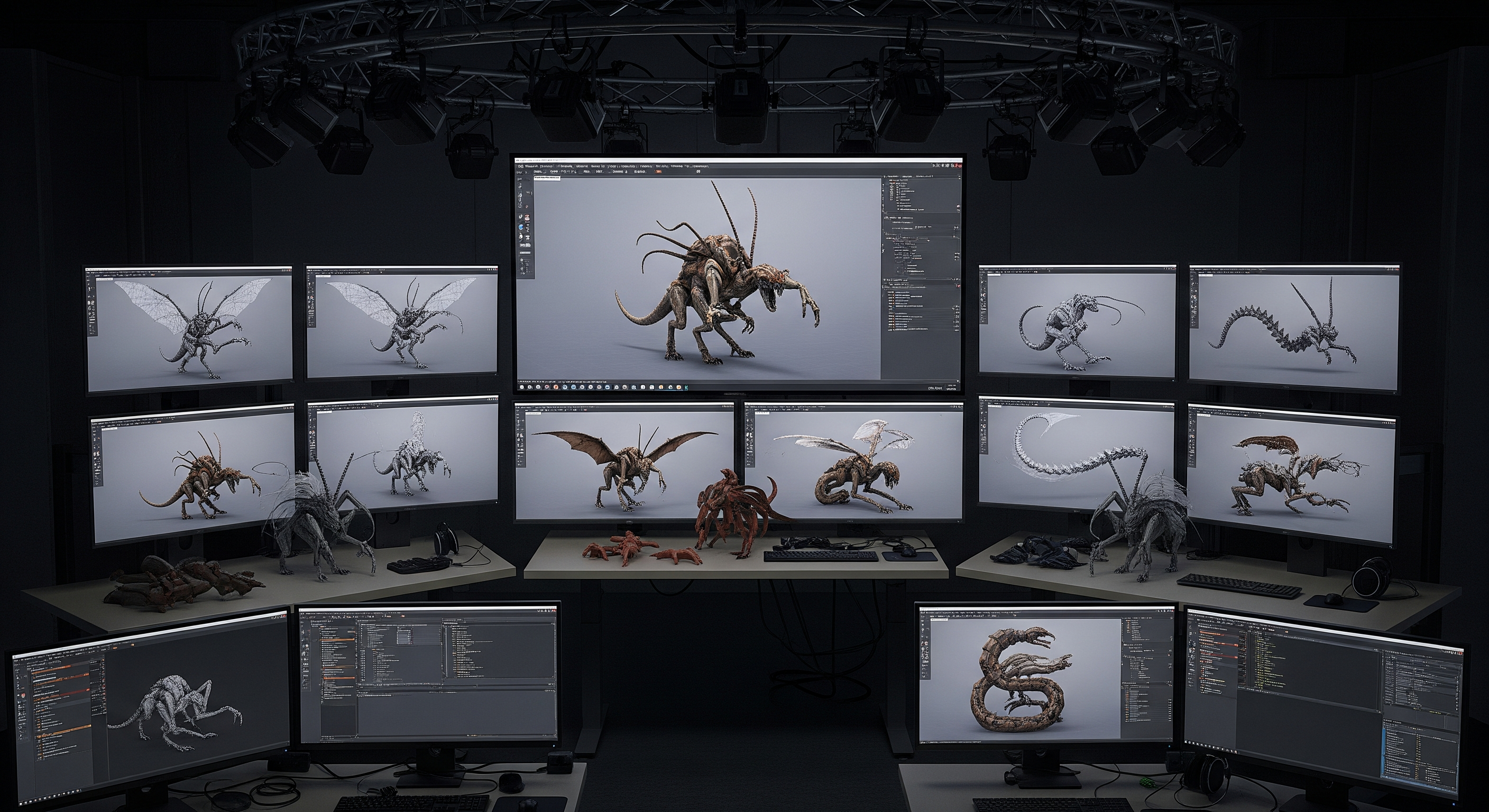
Creature animation should be reviewed in the engine as early as possible. The motion may look excellent in Maya, Blender, MotionBuilder, or a cinematic render, then feel unclear once camera angle, player distance, lighting, collision, VFX, AI timing, terrain, and combat pacing are added. Engine review reveals whether the creature reads at gameplay speed.
QA should test more than whether clips play. Teams should review attack telegraphs, recovery timing, collision fit, animation cancel rules, root motion, navigation, blend trees, camera occlusion, hit reactions, audio timing, VFX sync, memory cost, LOD behavior, and platform performance. For boss fights and set pieces, the creature should be tested across repeated encounters, not only a single hero shot.
A useful review checklist separates creative approval from technical approval. Creative review asks whether the creature feels heavy, fast, clever, frightening, graceful, or strange in the intended way. Technical review asks whether the same movement still behaves under compression, retargeting, root-motion rules, state changes, platform budgets, and repeated player interruption. Both views are needed before a creature can be called production-ready.
Creature work also benefits from broader production context. A studio might pair movement design with AI-powered characters for behavior logic, XR and immersive tech for spatial encounters, or game trailers and marketing animation to show the creature clearly before launch. The same animation foundation can support gameplay, cinematics, vertical slices, pitch materials, and marketing assets when it is planned as a production system.
FAQ
What is creature animation for games?
Creature animation for games is the process of designing believable movement for monsters, animals, hybrids, aliens, mechs, companions, bosses, and other non-human characters that must work in real-time gameplay.
How is creature animation different from human animation?
Non-human characters often have unfamiliar anatomy, limb counts, weight distribution, silhouettes, and locomotion rules. The animation has to explain those rules clearly while still supporting gameplay timing and art direction.
Can motion capture be used for creature animation?
Yes. Motion capture can provide performance intent, timing, impact, and emotional energy. Animators then adapt the data through keyframe cleanup, exaggeration, retargeting, and procedural layers for non-human anatomy.
What makes creature movement readable in combat?
Readable combat movement uses strong silhouettes, clear wind-ups, consistent timing, visible recovery, impact reactions, and animation states that help players understand danger before it feels unfair.
Why do creature rigs need special planning?
Creature rigs may need controls for wings, jaws, tails, spines, claws, extra limbs, facial systems, armor, or mechanical parts. Planning the rig early prevents deformation, blending, and engine-integration problems later.
Where does procedural animation help creatures?
Procedural animation helps with secondary motion, terrain adaptation, IK, physics-driven tails or wings, flexible appendages, and runtime variation that would be inefficient to animate entirely by hand.
When should studios test creature animation in-engine?
As early as possible. Engine tests show whether movement reads under real camera angles, lighting, collisions, AI timing, player distance, VFX, performance constraints, and gameplay interruptions.
Who needs a creature animation pipeline?
AAA teams, indie studios, publishers, animation teams, cinematic directors, AI designers, and technical animators all benefit when creature movement is planned as a repeatable production workflow instead of isolated clips.
Conclusion
Creature animation for games works best when it starts with movement logic and ends inside the engine. The most believable monsters, animals, hybrids, mechs, and fantasy characters are not believable because every motion is realistic. They are believable because their bodies follow clear rules, their intentions read quickly, and their animations support the way players actually encounter them.
If your studio is building bosses, non-human companions, fantasy creatures, combat enemies, or cinematic creature performances, explore Mimic Gaming services and contact Mimic Gaming to plan a production-ready creature animation workflow for your next game.
 July 16, 2026
 July 2, 2026
 June 29, 2026