

How much does 3D game art outsourcing cost in 2026, and what should a game studio expect to receive for that budget?
A useful estimate starts with the finished asset, not a generic hourly rate. 3D game art outsourcing can cover characters, creatures, props, environments, animation, technical art, and engine integration. Each layer changes the skills, schedule, review load, and production risk.
This guide explains how studios can budget and compare quotes without pretending every asset has one universal price. It reflects the production logic behind Mimic Gaming's 3D game development services and its real-time art and technology pipeline.
How Much Does 3D Game Art Outsourcing Cost?
The honest answer is that 3D game art outsourcing costs depend on scope, fidelity, asset type, technical constraints, and the level of finish required. Public rate cards can establish an order of magnitude, but they rarely describe the same product. One quote may end at a textured model, while another includes rigging, levels of detail, collision, shaders, source files, Unreal or Unity setup, documentation, and in-engine quality assurance.
For planning, studios should budget in production units rather than chasing one headline rate. A simple prop with one material and limited screen time is a different unit from a hero weapon with moving parts, damage states, visual-effects hooks, first-person detail, and platform-specific optimization. A background NPC differs radically from a cinematic digital human with facial rigging, groom, cloth, performance capture, and close-up deformation.
A responsible partner may provide a range before discovery and a firmer quote after reviewing references, specifications, platforms, and representative files. Price becomes more accurate as uncertainty is removed. Vendors need to understand the art target, technical target, review process, and what happens after delivery.
Mimic Gaming's game art outsourcing brief guide helps teams prepare those details. Instead of asking only for cost per asset, ask what accepted, engine-ready result the budget buys. A low estimate that excludes integration and rework can cost more overall than a higher estimate that delivers a verified asset inside the game.
Low-complexity work includes repeatable props, modular pieces, background objects, and established material templates.
Mid-complexity work includes unique props, vehicles, creatures, stylized characters, and environment kits with broader requirements.
High-complexity work includes hero characters, photoreal digital humans, cinematic creatures, advanced grooming, cloth, facial systems, and customized engine integration.
What Is Included in a 3D Game Art Quote?
A strong quote separates production stages and states where responsibility changes hands. Concept and pre-production may include style exploration, blockouts, reference alignment, technical discovery, asset breakdowns, and a paid test. Asset production may include sculpting or modeling, retopology, UVs, baking, texturing, materials, grooming, rigging, skinning, animation, and variant creation.
Technical delivery is equally important. The quote should state whether the vendor supplies clean source files, naming conventions, export presets, levels of detail, collision, pivots, scale, texture packing, shader setup, skeleton compatibility, and validation in the target engine. If the internal team must rebuild materials, rename files, repair topology, or reinterpret the rig, the apparent saving disappears into hidden labor.
Production management belongs in the estimate too. An external team needs scheduling, review preparation, version control, documentation, feedback tracking, and escalation paths. These activities may appear as a producer line, be distributed across asset prices, or be included in a dedicated-team fee. The important point is transparency, because management work exists even when it is not shown separately.
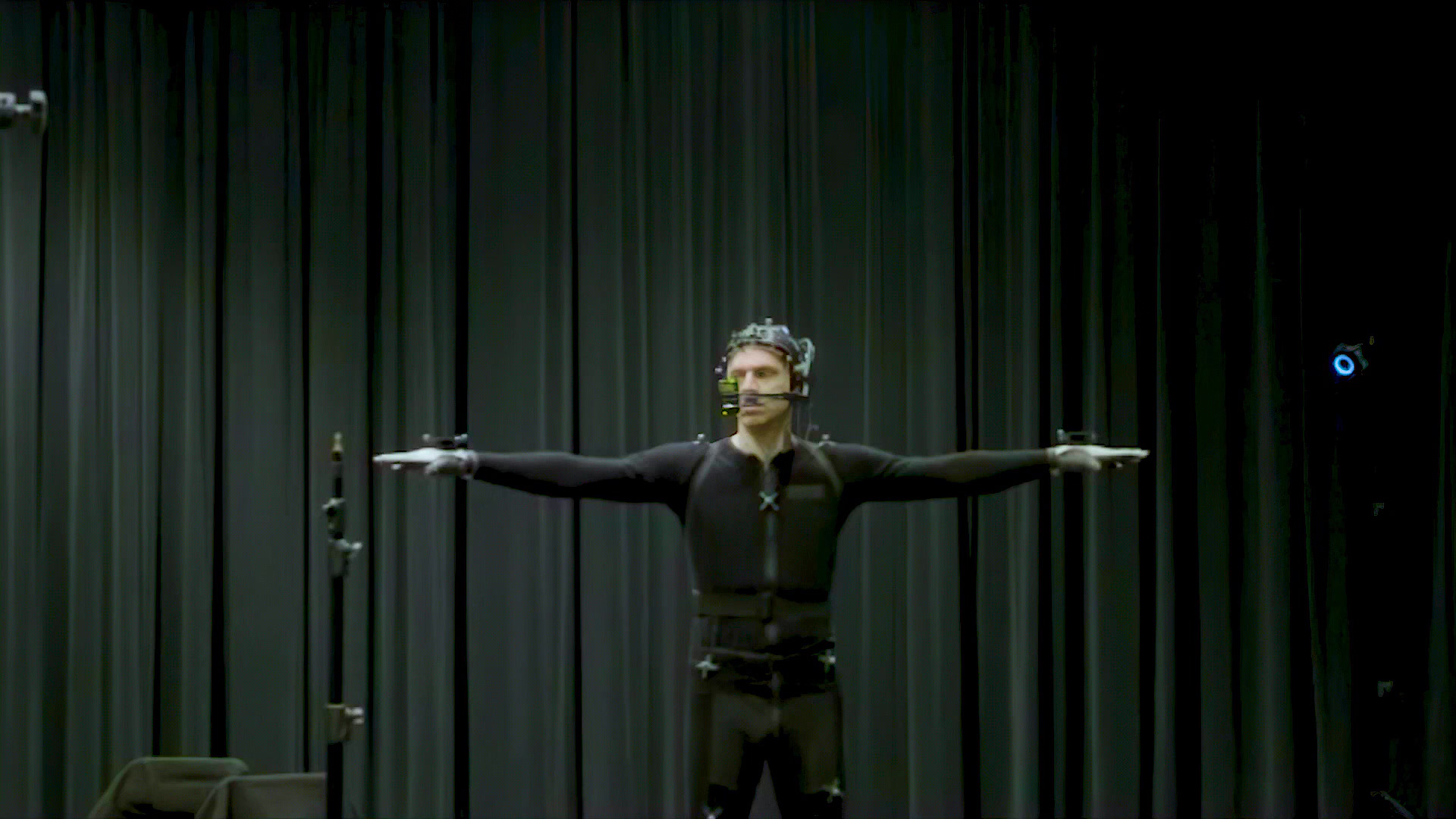
Animation and performance introduce additional dependencies. Confirm whether scope includes skeleton preparation, retargeting, cleanup, root motion, contacts, clip segmentation, and gameplay testing. Raw or solved data is not the same product as polished animation running on the final character.
The motion capture cost guide shows why recording time is only one part of a usable animation budget. The facial mocap for Unreal Engine guide explains the added facial pipeline, where tracking, solving, retargeting, deformation, synchronization, and animator polish affect cost.
Creative scope includes references, style, silhouette, narrative role, camera distance, variants, and approval gates.
Asset scope includes modeling, topology, UVs, textures, materials, rigging, grooming, animation, levels of detail, and sources.
Technical scope includes engine version, renderer, platforms, shaders, collision, skeletons, import, optimization, and quality assurance.
Commercial scope includes milestones, reviews, change requests, ownership, security, warranties, support, and payment terms.
Which Factors Change the Final Price?
Fidelity is the largest visible driver, but it is not the only one. Photoreal work often requires high-resolution scans, advanced texture capture, realistic hair and cloth, anatomically credible deformation, and multiple specialists. Stylized work can also be demanding because shape language, exaggeration, and art-direction consistency require judgment that cannot be measured by polygon count alone.
Asset complexity changes the number of disciplines involved. A static crate may move through modeling, UVs, baking, texture, and export. A hero character can involve concept, sculpt, topology, UVs, scan cleanup, skin detail, eyes, teeth, tongue, hair, cloth, rigging, facial shapes, deformation testing, animation, levels of detail, shaders, and cinematic review. Each handoff creates labor and coordination risk.
Platform and engine constraints determine how much optimization and verification are required. A high-end PC cinematic asset, a multiplayer console character, and a mobile VR avatar can share an artistic idea while requiring different geometry, textures, materials, memory, draw calls, skeletons, and runtime behavior.
Mimic Gaming's game asset optimization guide explains why optimization should be designed into production instead of added at the end. Late optimization can damage silhouette, materials, deformation, or animation and force work backward through the pipeline.
Revisions are another major variable. Clear references and fast, consolidated feedback keep work moving. Conflicting notes, changing designs, slow approvals, or late technical requirements cause rework across downstream stages. A modeling change after rigging and animation is much more expensive than the same decision during blockout.
Schedule pressure affects staffing. Compressing a milestone may require parallel teams, senior oversight, extra production management, or reserved capacity that cannot be reassigned. A realistic plan accounts for internal review time as well as vendor production time. Late approvals can move schedule and cost even when the external team delivered on time.
Quality bar and camera distance determine whether an asset is background, gameplay, hero, marketing, or cinematic quality.
Style and novelty make a new visual language less predictable than an established pipeline.
Technical constraints such as customization, destruction, cloth, hair, facial systems, and multiplayer behavior add work.
Volume and reuse can reduce unit cost when modular kits, shared materials, and variants are planned carefully.
Security, secure facilities, access controls, audits, and confidential workflows can change the production model.
Which Pricing Model Should a Studio Choose?
Per-asset pricing works when the catalog is stable and each item has a clear specification. It makes budgeting and progress tracking straightforward for props, weapons, modular environment pieces, or character variants. Its limitation is that every ambiguity must be priced as risk or handled later as a change.
Fixed project or milestone pricing suits a defined package such as one environment, a character family, a cinematic sequence, or a vertical slice. The supplier commits to an outcome and schedule while both sides agree on review gates and change control. This model needs a mature brief; otherwise a fixed number may hide restrictive assumptions about revisions, integration, and source files.
Time-and-materials pricing fits discovery, technical art, tool development, pipeline repair, and evolving creative work. The client pays for actual capacity and can change priorities, but needs strong backlog ownership, visibility, and budget controls. Regular burn reports, approved roles, rate cards, and clear stop conditions keep the arrangement manageable.
A dedicated team or co-development model reserves a stable cross-functional group over a longer period. It suits live-service content, large asset volumes, or programs where external artists must learn internal tools and style deeply. Knowledge compounds, communication improves, and the team can shift across priorities without renegotiating every item.
Mimic Gaming's game co-development guide and game development outsourcing guide explain how embedded production differs from a one-off handoff. Many studios begin with a paid fixed-scope pilot and move to a catalog or dedicated team after quality and throughput are proven.
Specialist work such as 3D scanning services for games, motion capture, facial systems, or engine tools can remain separate workstreams with their own acceptance criteria. This keeps unusual tasks measurable while the wider art team continues at a stable rhythm.
Choose per asset for repeatable, well-defined catalogs.
Choose fixed milestone for a bounded result with stable acceptance criteria.
Choose time and materials when discovery or priorities will evolve.
Choose a dedicated team when continuity, volume, and embedded collaboration matter.
How Can Studios Get a More Accurate Quote?

Begin with a representative asset matrix. Group assets by type and complexity, then identify what makes each tier different: screen time, camera distance, material count, texture resolution, deformation, animation, customization, destruction, levels of detail, variants, and engine behavior. Include counts, priorities, dependencies, and expected reuse.
Provide visual references and technical evidence together. A mood board communicates taste but not production requirements. Add target screenshots, comparable shipped assets, wireframes, texture examples, skeletons, shader graphs, naming rules, folder structure, platform budgets, and engine versions. If a pipeline exists, share a clean sample package and ask the vendor to return one completed asset through the same route.
Define done in observable terms. An asset may need to open without errors, meet topology and texture budgets, use approved naming, deform correctly, import through the standard process, render in a validation scene, pass performance checks, and include editable sources. Acceptance criteria make review faster and allow multiple vendors to quote the same deliverable.
Run a paid pilot before committing a large catalog. The pilot should be representative, not the easiest asset. It should test creative interpretation, technical delivery, communication, estimates, review speed, documentation, and in-engine quality. Record actual internal review hours as well as vendor effort; that reveals the true cost of collaboration.
Finally, compare normalized quotes. Ask each supplier to identify exclusions, assumptions, revision rounds, role mix, schedule, dependencies, source-file policy, integration, quality assurance, and change rates. Do not compare one all-inclusive engine-ready proposal against another proposal that ends at an exported mesh.
Mimic Gaming works as an extension of internal teams and can support art, animation, code, and integration across the same pipeline. Learn more about its AAA production background or explore the Mimic Gaming knowledge hub for guides on character production, animation, AI, scanning, optimization, and outsourcing.
Send the same brief and representative files to every shortlisted partner.
Request a deliverable breakdown rather than one unexplained total.
Separate assumptions from inclusions so quote differences become visible.
Measure internal preparation, review, and integration because they are real costs.
Use a paid pilot to validate quality, throughput, documentation, and collaboration before scaling.
3D Game Art Outsourcing Cost FAQ
How much does one 3D game character cost?
There is no universal price. A background NPC, a stylized playable character, and a photoreal hero have very different modeling, hair, cloth, rigging, facial, animation, LOD, and engine-validation requirements. A useful quote defines every deliverable and its acceptance criteria.
Is 3D game art outsourcing cheaper than hiring in-house?
It can be, especially for specialist work or temporary peaks. Compare recruiting, salaries, software, hardware, management, idle capacity, and ramp-up time with the outsourced cost of an accepted deliverable.
What is included in a game-ready 3D asset?
A package may include modeling, UVs, baking, textures, materials, naming, topology, source files, exports, levels of detail, collision, and engine setup. Rigging, animation, shaders, grooming, facial systems, and integration may be separate.
Should a studio pay per asset or use a dedicated team?
Per-asset pricing works for predictable catalogs. A dedicated team is often better for evolving scope, continuous feedback, or live-service production. A paid pilot can reveal which model fits.
Why do two outsourcing quotes differ so much?
Quotes may assume different fidelity, seniority, revision limits, technical outputs, project management, security, source-file delivery, engine validation, and risk. Normalize those assumptions before comparing totals.
How long does 3D game art outsourcing take?
Timing depends on asset count, complexity, dependencies, review speed, and pipeline maturity. A representative pilot gives a more reliable forecast because it tests the real approval and integration loop.
Can an outsourcing studio work directly in Unreal Engine or Unity?
Yes, when engine integration is included. Confirm engine version, renderer, materials, skeleton, import presets, LOD policy, collision, naming, folder structure, performance budgets, and validation scenes.
How do I request a reliable 3D game art estimate?
Provide references, asset counts, quality bars, platforms, engine details, polygon and texture budgets, rigging and animation needs, formats, review rounds, schedule, security requirements, and a clear definition of done.
Conclusion
3D game art outsourcing cost becomes predictable when studios define the artistic target, technical environment, acceptance criteria, and review process. The best estimate is not the lowest number; it is the clearest connection between budget and an engine-ready result. Compare complete delivery, test the pipeline with a representative asset, and choose a commercial model that matches how stable the scope really is.
Planning characters, environments, animation, scanning, mocap, or engine integration? Contact Mimic Gaming for a scoped production estimate and turn your asset list into a practical delivery plan.
 August 20, 2026
 June 18, 2026
 September 28, 2026