


Is your game art outsourcing brief detailed enough to prevent expensive rework?
A strong game art outsourcing partnership starts before the first sculpt, rig, animation, or environment asset is produced. The brief must translate creative ambition into measurable production requirements: visual targets, gameplay function, engine constraints, review ownership, security, and a definition of done.
This guide gives producers, art directors, and technical leads a practical framework for briefing and evaluating a game art outsourcing partner. Use it to compare proposals consistently, reduce ambiguity, and build a collaboration that can scale from a focused asset batch to an ongoing co-development pipeline.
Why the Outsourcing Brief Matters

Game art outsourcing fails most often at the boundaries between disciplines. A character can look excellent in a turntable yet fail in gameplay because the silhouette disappears at camera distance, the topology cannot support deformation, the material budget is too high, or the rig does not match the animation system. None of those problems is purely artistic. They are briefing and pipeline problems.
A useful brief gives every stakeholder the same operating picture. Producers understand quantities and dates. Art directors see the target quality and style boundaries. Technical artists know platform budgets, naming rules, LOD strategy, shaders, collision, and export conventions. Animators understand skeletons, state machines, root motion, and retargeting. The outsourcing studio can then estimate the real work instead of pricing an attractive but incomplete interpretation.
Treat the brief as a production contract in plain language. It should state assumptions, dependencies, inputs, outputs, owners, approval gates, and what happens when requirements change. That clarity makes quotes easier to compare and reduces contingency padding. It also reveals whether a prospective partner asks production-aware questions or simply promises to match references.
For broader context on how external specialists fit into a development plan, review Mimic Gaming’s guide to choosing a
game development outsourcing studio. The central principle is the same: scope the integration, not only the deliverable.
Define Scope Around Player-Facing Outcomes
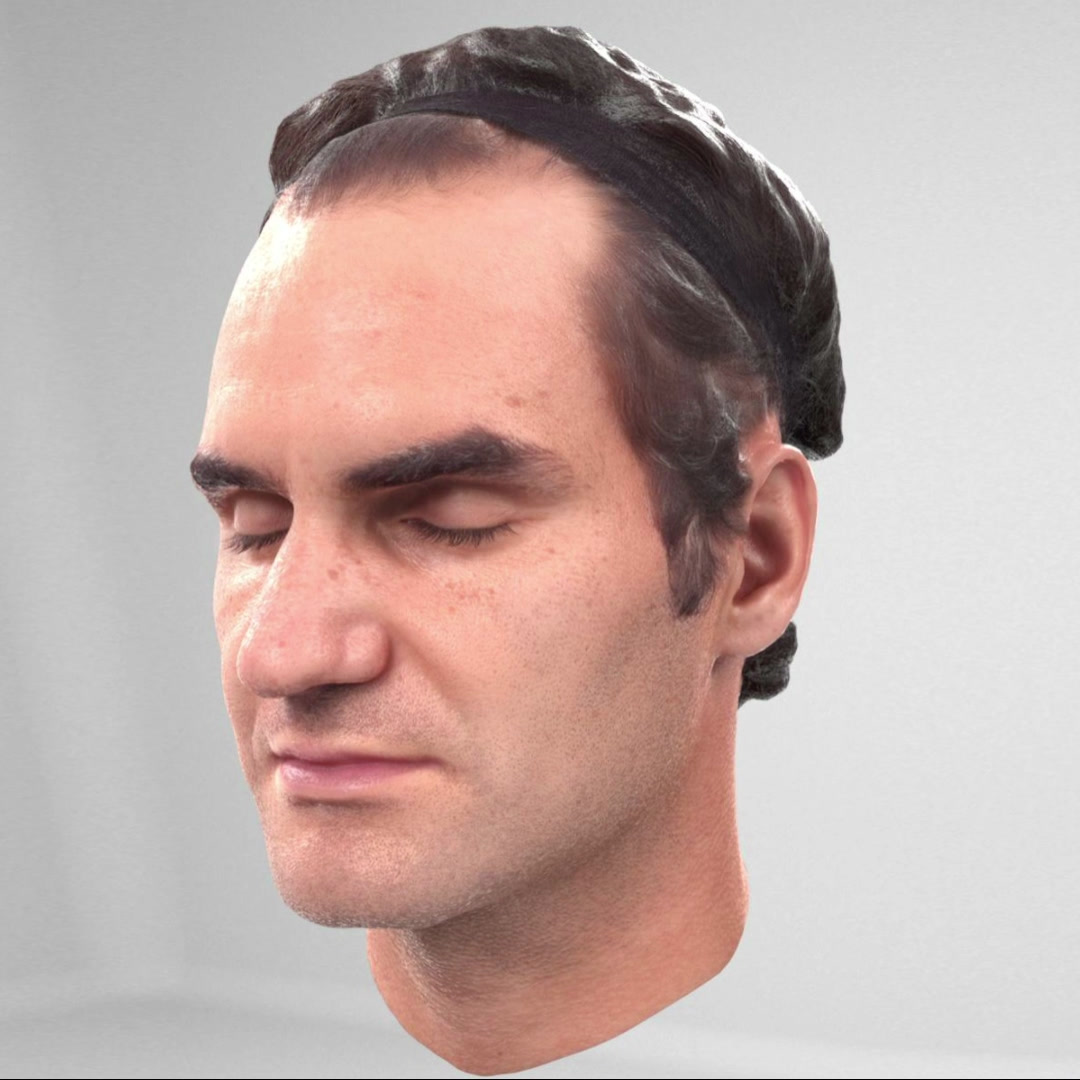
Start with what the player must perceive or do. “Create ten sci-fi props” is a quantity, not a useful outcome. A better brief explains whether the props guide navigation, communicate faction identity, support destruction, appear in cinematic close-ups, or populate background spaces. Function determines detail, variation, interaction, animation, collision, and performance needs.
Divide the scope by asset family and gameplay importance. Identify hero characters, secondary characters, creatures, weapons, modular environment kits, unique landmarks, vehicles, props, VFX, UI elements, and marketing renders. For each family, list expected counts, variants, damage states, customization options, camera distance, and reuse. Mark dependencies such as concept approval, scan delivery, narrative lock, or a final skeleton.
State the target platforms and minimum hardware profile.
Identify whether assets serve gameplay, cinematics, marketing, or several contexts.
Separate new creation from adaptation, cleanup, optimization, and integration.
Specify what the client supplies and what the partner must create.
Flag uncertain quantities and define how change requests will be estimated.
Prioritize a representative first batch. One complex hero asset, one modular environment set, or a small animation family can expose hidden assumptions before production scales. The sample should test the hardest interfaces, not the easiest artwork. If characters are central, Mimic Gaming’s
stylized and photoreal character creation service shows the range of decisions that must be aligned from design through engine-ready delivery.
Build a Visual Target Package
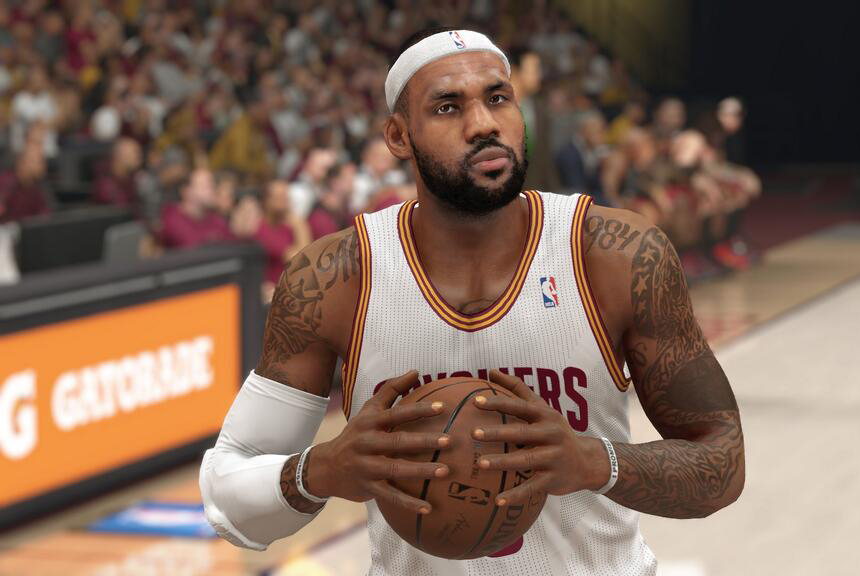
A mood board communicates taste, but production requires a target package. Include approved concepts, in-engine screenshots, lighting conditions, camera framing, scale references, material examples, and one or more benchmark assets. Explain which qualities are mandatory and which references are inspirational. Conflicting references should be resolved before bidding.
Break the desired look into observable decisions. Describe proportion, shape language, silhouette, edge treatment, surface age, color hierarchy, texture frequency, realism level, exaggeration, and narrative wear. For environments, add modularity rules, architectural logic, traversal dimensions, landmark hierarchy, and set-dressing density. For characters, add anatomy, costume construction, facial language, hair solution, skin treatment, and deformation priorities.
Your benchmark asset should be inspectable, not merely beautiful. Share source scenes when permitted, texture sets, shader setup, topology, UV layout, skeleton, naming, and engine implementation. Ask the partner to identify risks or missing information. A mature studio will explain how the target was built and where it may conflict with platform constraints.
Art direction also needs a feedback vocabulary. Replace comments such as “make it more epic” with comparisons tied to the target: enlarge the primary shapes, simplify the secondary read, reduce roughness variation, strengthen faction colors, or preserve facial planes under gameplay lighting. Mimic Gaming’s article on
how art direction shapes a game world offers useful context for turning a visual idea into repeatable production rules.
Document Technical and Engine Requirements

Technical requirements belong in the initial brief, not in a delivery note. Name the engine version, render pipeline, DCC versions, source-control environment, plugins, exporters, units, axes, naming conventions, folder structure, and validation tools. State whether delivery means source files, exported assets, integrated engine packages, or a tested branch.
Set budgets by asset class. Useful constraints include triangle ranges, material slots, texture count and resolution, texel density, UV channels, LOD count, draw calls, shader features, bone counts, blendshapes, collision complexity, lightmap rules, and memory targets. Define exceptions for cinematics, first-person assets, crowds, or lower-spec platforms.
Require an engine validation scene that reproduces real conditions. It should test lighting, post-processing, camera distance, animation, streaming, collision, and representative hardware. Screenshots are not enough when the deliverable must perform inside gameplay. Include automated checks where possible so naming, missing textures, scale, and budget violations are detected before review.
Clarify optimization ownership. Does the vendor create LODs, impostors, atlases, collision, lightmap UVs, platform variants, and profiling reports? Who fixes issues found after integration? Mimic Gaming’s
game asset optimization guide for Unreal and Unity explains why visual fidelity and runtime efficiency must be managed together, while its technical art pipeline overview shows how tools and validation keep asset production consistent.
Plan Animation, Mocap, and Performance
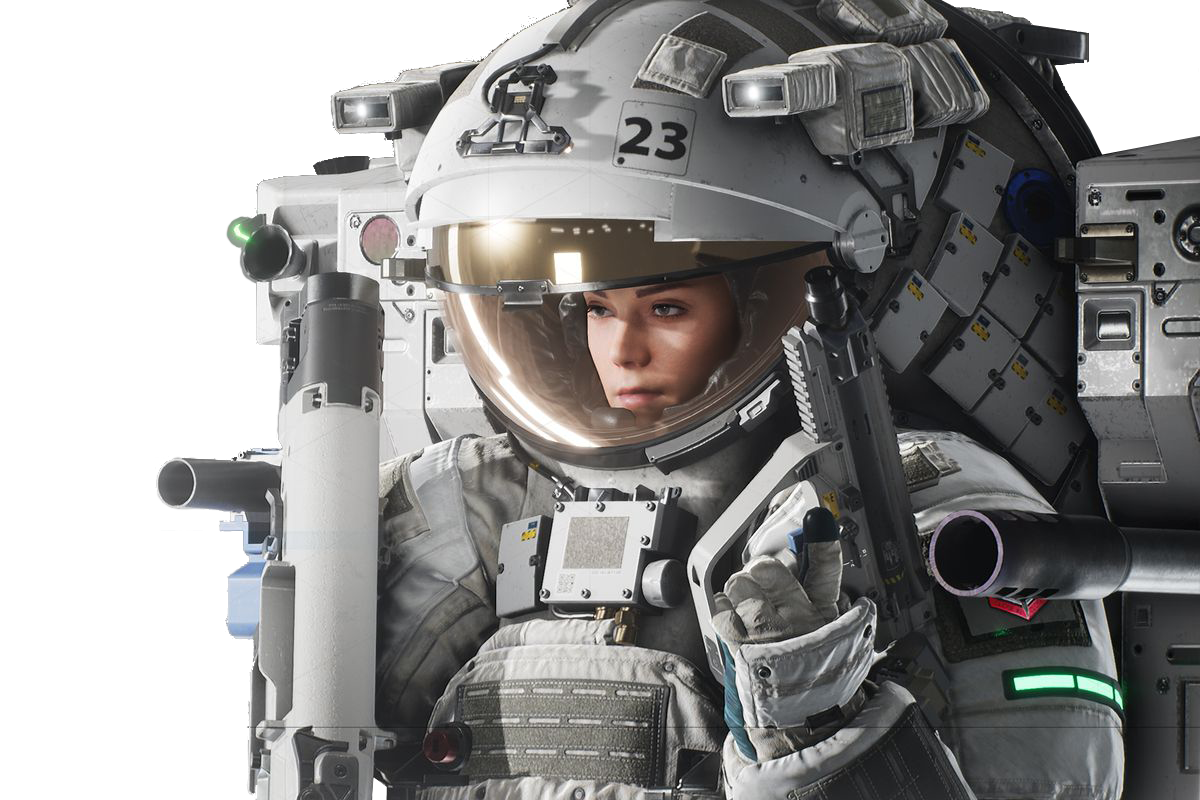
Animation scope needs more detail than a clip list. Describe gameplay states, control responsiveness, locomotion speeds, combat timing, traversal, interactions, additive layers, facial performance, cinematics, and transitions. State whether clips use root motion or in-place motion, how direction changes are handled, and which skeleton, retargeting, and compression rules apply.
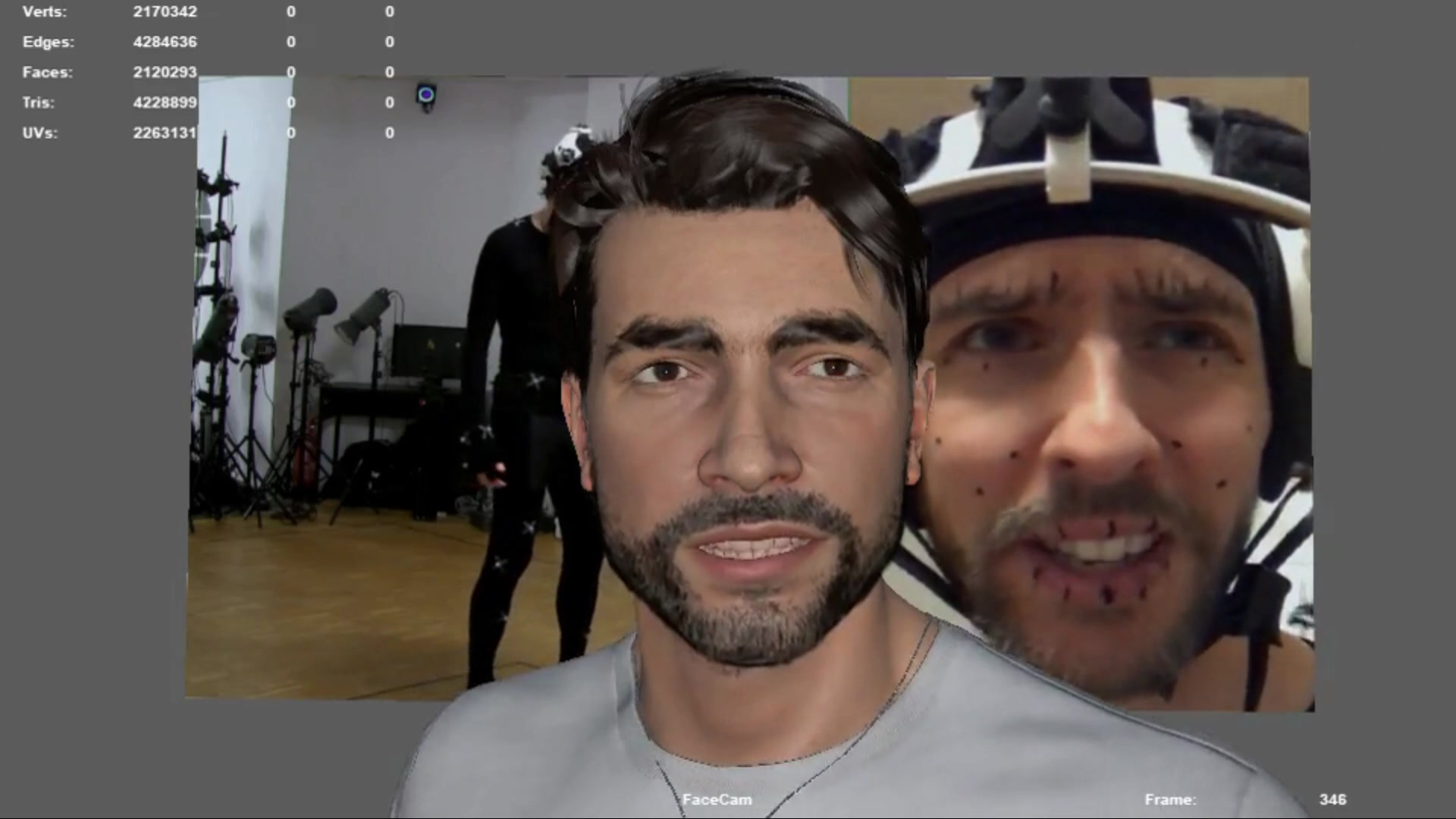
For motion capture, define the performance problem before selecting the capture method. A realistic dialogue scene, stylized combat set, sports move library, creature performance, and crowd behavior need different casting, stage layouts, props, safety planning, camera reference, and cleanup. Specify whether the engagement includes rehearsal, direction, capture, solving, labeling, editing, retargeting, polish, facial data, fingers, and engine integration.
Build naming and metadata around how designers will find and use motion. Define takes, actions, characters, weapons, emotional intent, speed, direction, loop status, contacts, and root behavior. Agree on what counts as raw, solved, cleaned, polished, and implementation-ready. Without those definitions, two teams can report the same completion percentage while holding very different expectations.
Use a gameplay test early. Put representative clips into the real animation blueprint or state machine, then evaluate responsiveness, foot contact, blending, camera readability, and motion consistency. Mimic Gaming’s
real-time gameplay animation pipeline and guide to choosing a motion capture partner outline the practical connection between performance capture and shippable character behavior.
Set Milestones, Reviews, and Acceptance Criteria
Approval gates should mirror the cost of change. A character might move through brief confirmation, blockout, high-resolution sculpt, retopology, UVs, texturing, grooming, rigging, animation test, engine integration, and final QA. An environment kit may use blockout, modular test, benchmark module, full kit, set dressing, lighting validation, and optimization. Do not let expensive downstream work begin while upstream decisions remain open.
For every gate, identify the reviewer, required presentation, response time, consolidated feedback owner, revision allowance, and acceptance criteria. Decide whether silence counts as approval—it usually should not. Require one client-side decision-maker to reconcile conflicting notes before feedback reaches the partner.
Acceptance criteria must be testable. “AAA quality” is not a test. A useful definition of done might require approved visual match, clean source files, named layers, no missing dependencies, valid scale and transforms, budget compliance, required LODs, correct materials, successful import, no validation errors, target-frame performance, and sign-off in the agreed tracking system.
Track changes separately from corrections. A correction brings work into compliance with the approved brief; a change alters the approved brief. Record the schedule and cost impact before changed work begins. This protects both parties and makes production data more accurate for future estimates.
Evaluate the Studio Beyond Its Portfolio
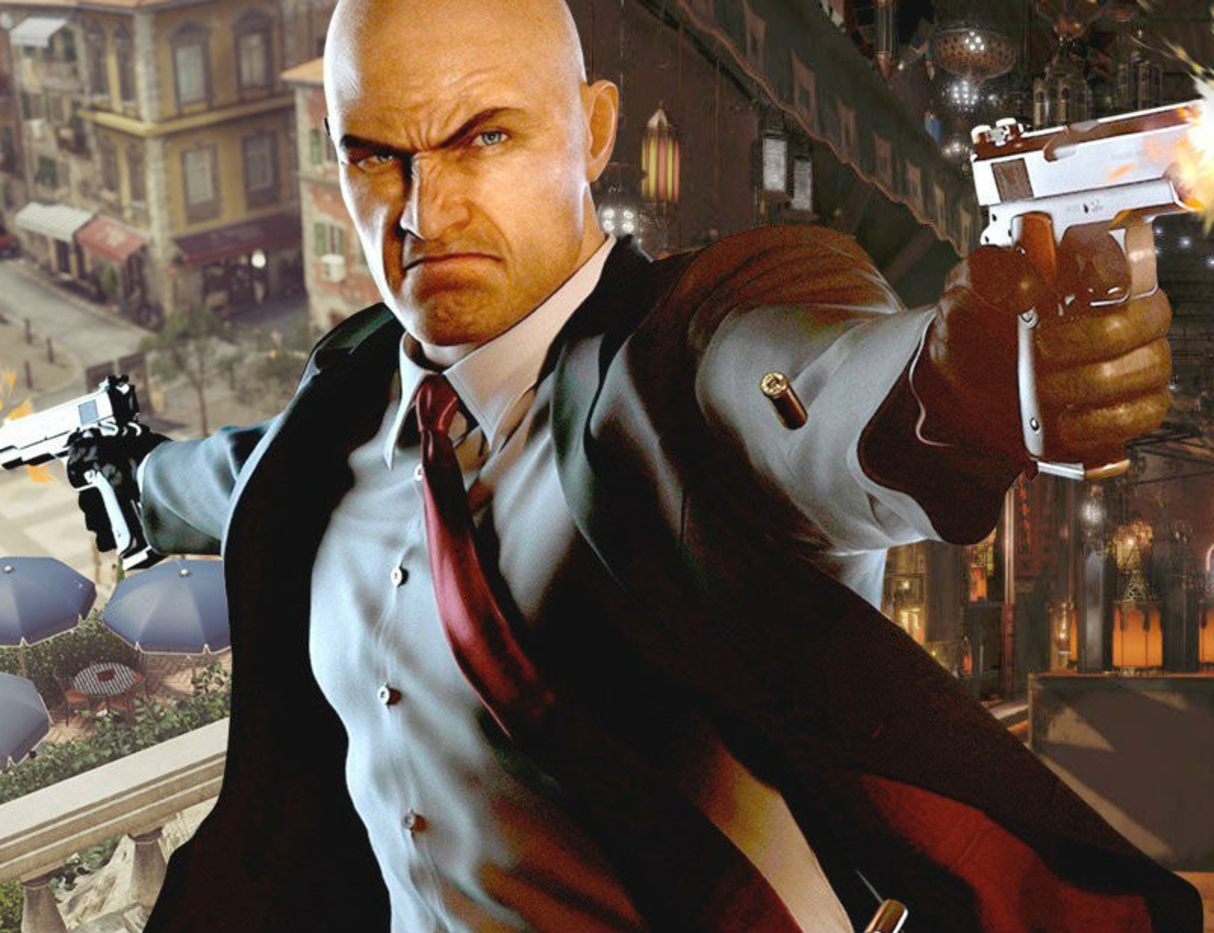
A portfolio proves that a studio has participated in attractive work. It does not prove who made each element, how recently it was produced, whether the team is still available, or whether the pipeline fits your project. Ask for breakdowns that distinguish concept, modeling, texturing, rigging, animation, technical art, integration, and supervision.
Evaluate production behavior through the discovery process. Strong partners ask about player experience, platform, camera, reuse, state changes, build integration, approval ownership, and technical constraints. They identify contradictions instead of pricing around them silently. They can explain how estimates were formed and which assumptions would change cost or schedule.
Request role-specific examples and anonymized source-file or engine breakdowns where NDAs permit.
Meet the proposed lead, producer, art director, and technical owner—not only sales.
Ask how the studio handles capacity spikes, specialist gaps, turnover, and vacation coverage.
Review communication cadence, task tracking, version control, delivery logs, and escalation paths.
Run a paid test that exercises visual quality, technical compliance, communication, and revision speed.
Consider cultural and time-zone fit without demanding constant overlap. A reliable handoff rhythm can outperform a long meeting schedule. What matters is that questions receive timely answers, risks are visible, and feedback is documented. Mimic Gaming describes its own integrated offer across
game art, animation, development support, and marketing assets, backed by more than a decade of production experience and hundreds of delivered projects.
Protect IP, Source Files, and Production Continuity
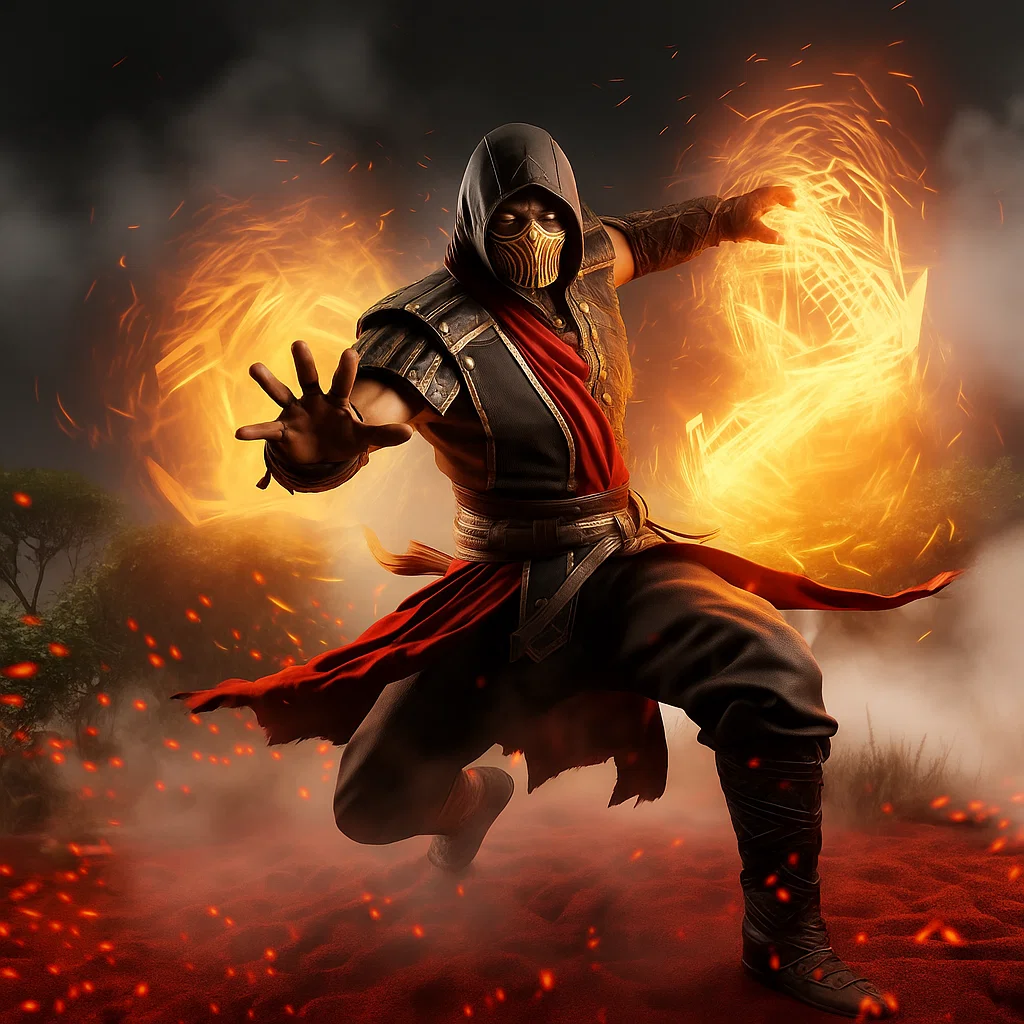
Security requirements should match the sensitivity of the project. Define access by role, approved devices and locations, storage, transfer methods, source-control permissions, multifactor authentication, retention, deletion, subcontractor rules, and incident reporting. If you require a specific certification or isolated environment, include it before the studio estimates infrastructure and staffing.
The contract should address ownership of final assets, source files, custom tools, pre-existing tools, third-party licenses, fonts, scans, plugins, and reusable libraries. Clarify when rights transfer and whether portfolio use is permitted. Require the partner to disclose external assets and license terms so provenance does not become a late legal issue.
Plan continuity from day one. Keep working files in an agreed repository, require regular source deliveries, document dependencies, and maintain current setup instructions. Identify key-person risk and backup owners. For long engagements, review capacity and business-continuity plans at milestones rather than assuming the initial staffing model will remain unchanged.
Closeout should include final source files, engine packages, manifests, licenses, documentation, validation results, open-issue status, and confirmation of data retention or deletion. A clean handover is part of the deliverable. It lets the internal team maintain the work, extend it later, or transition responsibly if production needs change.
Game Art Outsourcing FAQ
What should a game art outsourcing brief include?
Include player-facing goals, asset quantities and variants, visual references, engine and platform constraints, source and export formats, milestones, review owners, acceptance criteria, security requirements, and commercial assumptions.
How detailed should the technical specifications be?
They should be detailed enough for the partner to build and validate assets without guessing. Include engine version, budgets, naming, folder structure, materials, LODs, collision, skeletons, animation rules, and the definition of an integrated delivery.
How do you compare quotes from game art outsourcing studios?
Normalize the scope and assumptions first. Compare included disciplines, revision rounds, source files, integration, technical art, project management, QA, schedule, team seniority, and change-request rates—not only the headline price.
Should a studio run a paid art test?
Yes, when the engagement is material. Use a representative paid test that challenges both visual and technical requirements. Evaluate communication, interpretation, source-file quality, engine performance, feedback response, and predictability.
Who should approve outsourced game assets?
Assign one accountable client-side owner for each gate, usually an art director or discipline lead supported by technical art and production. Consolidated feedback prevents contradictory direction and protects the schedule.
How many review milestones are appropriate?
Use enough gates to catch expensive mistakes early. Character, environment, and animation pipelines need different milestones, but each should validate concept, construction, finish, technical compliance, and engine integration before final acceptance.
What files should an outsourcing studio deliver?
Specify editable source scenes, textures, rigs, simulations where required, exports, engine packages, thumbnails or turntables, dependency manifests, licenses, documentation, and validation reports. Delivery expectations should be written into the brief and contract.
How can studios prevent scope creep?
Baseline the approved brief, track assumptions, separate corrections from changes, price or schedule changes before work starts, and maintain a decision log. Regular forecasting makes small scope shifts visible before they accumulate.
What security questions should be asked?
Ask about access control, MFA, device and location policies, storage, transfers, source control, subcontractors, incident response, backups, retention, deletion, and any certification required by your publisher or platform agreement.
Conclusion
The best game art outsourcing relationships are built on shared production truth. A precise brief aligns creative intent with gameplay, technology, schedule, ownership, and risk. It also gives capable partners room to improve the plan because they can see the whole system rather than an isolated asset request.
Ready to turn your brief into an engine-ready production plan? Talk to Mimic Gaming’s Berlin-based team about character creation, environments, animation, motion capture, technical art, and development support.
 September 28, 2026
 September 24, 2026
 September 22, 2026