
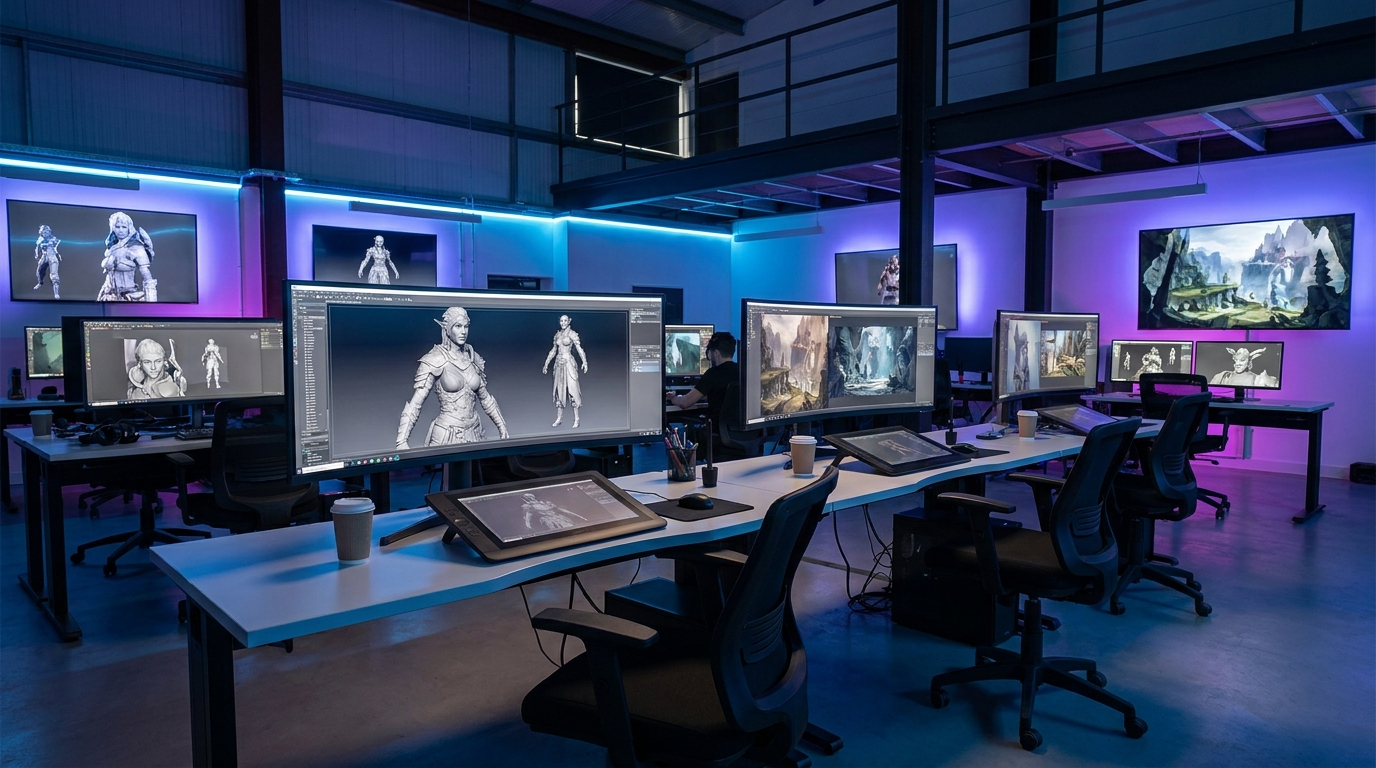

Game art outsourcing is how AAA studios scale production without scaling headcount. When a publisher is building a 120-hour open-world RPG with thousands of unique assets, no single internal team can deliver everything on schedule. Outsourcing art production to a specialist studio is a strategic decision that the world top publishers make on every major title.
This guide covers what game art outsourcing involves, what to look for in an outsourcing studio, and how the process works from brief through delivery.
What Is Game Art Outsourcing?

Game art outsourcing is the practice of contracting an external studio to produce some or all of a game visual assets - 3D character models, environment architecture, props, animations, VFX, cinematics, and concept art - any deliverable requiring artistic or technical production work outside the publisher internal pipeline.
Quality outsourcing studios operate with the same technical rigour as the best internal art teams. They receive a brief, work within the established art style and technical constraints, and deliver finished assets ready for engine integration.
For a deeper look at how these assets fit into a full production pipeline, read our guide on AAA gaming pipelines covering motion capture, VFX, scanning, and cinematic cutscenes.
What Game Art Outsourcing Covers

A professional game art outsourcing studio can take on any scope of asset production - from isolated asset categories to full pipeline support across an entire title.
3D character creation: Full-body character modelling, rigging, skinning, LOD optimisation, and engine-ready delivery. Covers hero characters, NPCs, enemies, and crowd systems.
Environment and architecture: World geometry, modular building sets, terrain sculpting, prop libraries, and environment blocks ready for real-time engine integration.
Cinematic animation: Cutscene production including facial animation, motion capture retargeting, camera work, and compositing for in-engine cinematics.
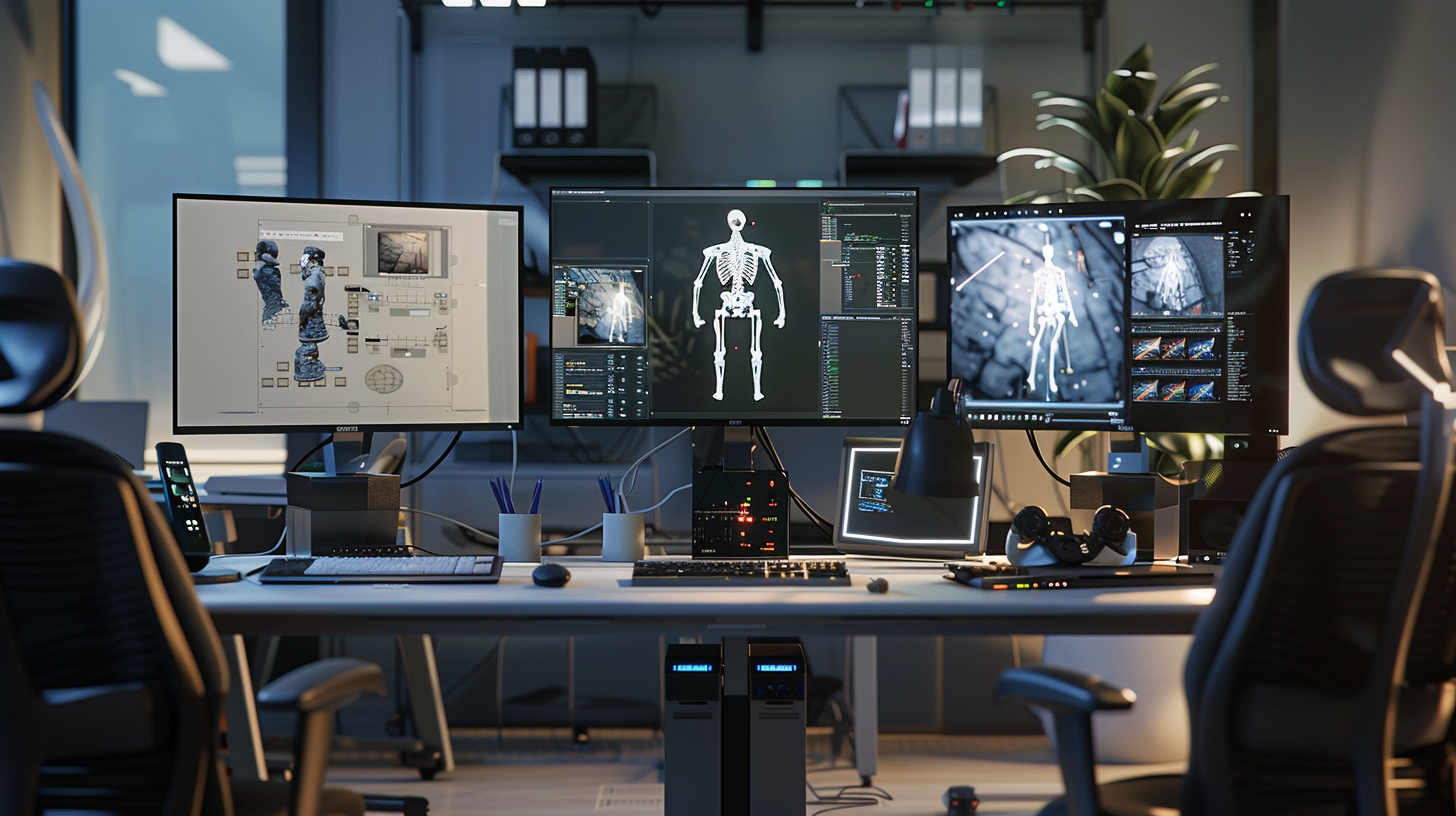
VFX and technical art: Particle systems, shader work, destruction simulations, and engine-side technical art connecting visual assets to gameplay systems.
Motion capture: Performance capture sessions using inertial or optical systems with cleanup and rig retargeting.
Learn how AI is accelerating VFX production in game studios and how outsourcing integrates with AI-assisted pipelines.
How a Game Art Outsourcing Studio Works
The outsourcing process follows a structured workflow from brief through delivery. Understanding each stage helps publishers build better briefs and avoid the most common sources of rework.
Briefing and Scope Definition
The engagement begins with a detailed brief covering art direction, reference materials, target engine, technical constraints, polygon budgets, and delivery format requirements. Ambiguity in the brief is the single biggest driver of rework in outsourced production.
Pilot Asset and Style Review
Before full production begins, a well-run outsourcing studio produces a pilot batch for review. This confirms style alignment before significant volume is committed. Catching misalignments at pilot is far cheaper than catching them mid-production.
Production and Iteration
Full production runs in milestone batches. The publisher reviews each batch and provides feedback before the next begins. Good outsourcing studios build revision cycles into the schedule - first-pass approval is not the norm on complex AAA productions.
Engine Integration and Final Delivery
Final assets are delivered in the agreed format - FBX, USD, or engine-native - with all materials, rigs, LODs, and collision meshes correctly set up. Engine-ready delivery means the publisher team can import without manual cleanup.
See how engine requirements affect asset delivery in our comparison of Unity vs Unreal for modern game studio workflows.
Motion Capture and Animation Outsourcing

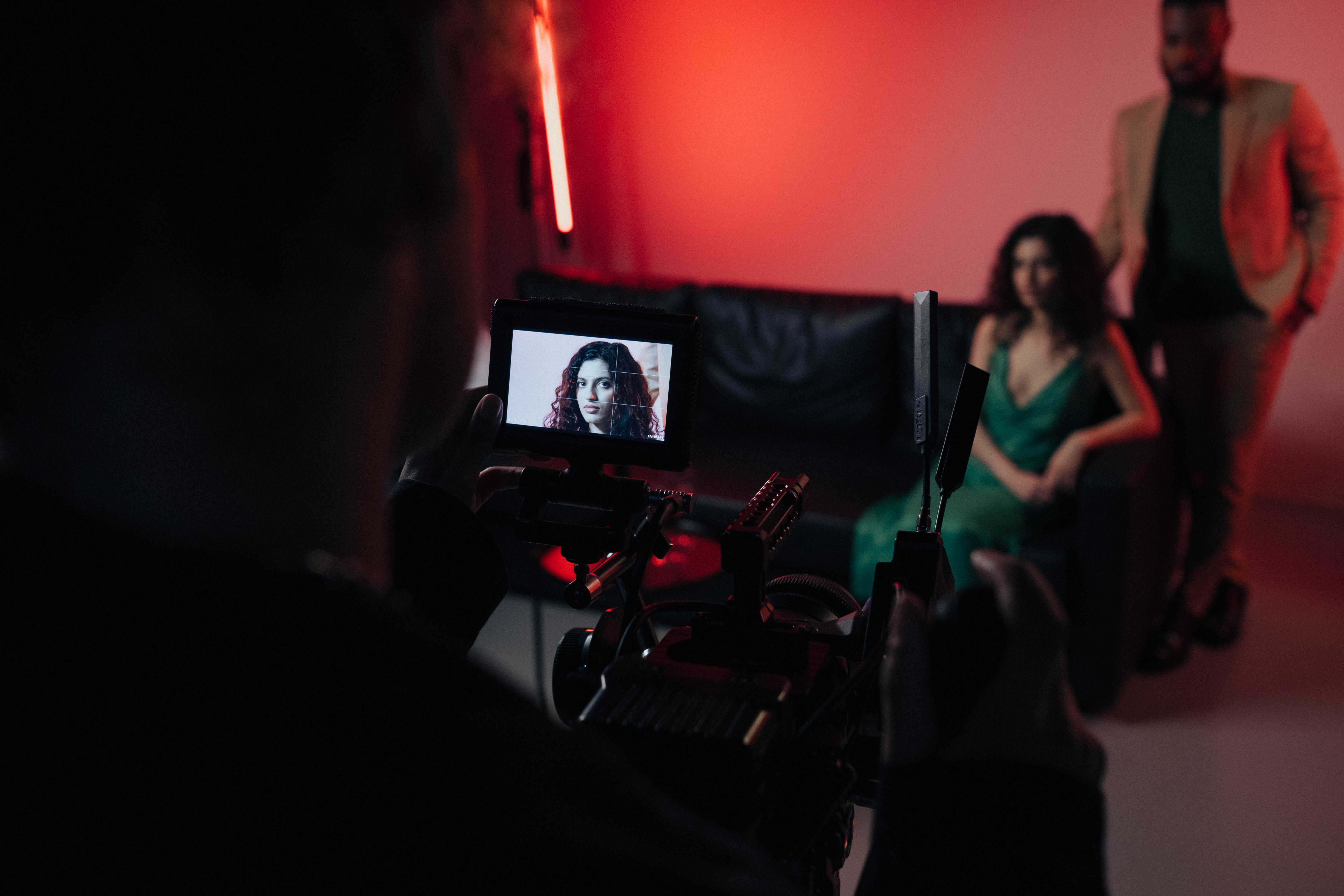
Animation is one of the most frequently outsourced components of a game production. A studio with in-house motion capture offers publishers performance-driven animation that carries real physical weight and natural timing - something pure 3D art studios cannot provide.
At Mimic Gaming, we operate professional motion capture equipment at our Potsdam studio. Publishers brief us with performance requirements - combat sequences, locomotion cycles, cinematic scenes - and we capture, clean, and retarget the data onto agreed character rigs.
For a detailed breakdown of how motion capture drives game animation quality, read our article on mocap to motion blending and realistic gameplay.
How to Choose a Game Art Outsourcing Studio

Not every game art outsourcing studio is equipped for the same work. Matching the right studio to your production requirements is more important than selecting on price alone.
Portfolio quality: Does the studio work match the visual complexity and style of your project?
Engine compatibility: Can the studio deliver assets ready for your specific engine - Unreal Engine 5, Unity HDRP, or a proprietary engine?
Technical art depth: Does the studio have technical artists who understand shader graphs, LOD systems, and performance budgets?
In-house motion capture: If animation is part of scope, does the studio operate its own capture facility?
IP security: Does the studio have NDAs, secure file transfer protocols, and clear ownership terms?
Explore our capabilities on the Mimic Gaming services page and our technical infrastructure on the technology page.
In-House vs. Outsourcing: When to Use Each
Most AAA studios use a hybrid model - core art direction and signature assets handled internally, volume production and specialist work outsourced.
Outsource when volume exceeds internal capacity: If your internal team is allocated to hero assets, outsourcing prop libraries, environment tilesets, or NPC variants keeps production moving without a hiring surge.
Outsource for specialist capabilities: Motion capture, hyper-realistic rendering, real-time VFX, and advanced technical art have steep infrastructure costs. Outsourcing gives access on demand.
Keep in-house when art direction is undefined: External studios cannot solve ambiguity. If the visual direction is still evolving, internal iteration is faster than writing outsourcing briefs that change every review.
Keep in-house for core IP visual language: Hero characters and key environments that define a franchise identity are typically kept internal where creative control is tightest.
For context on how AI is changing this calculation, read our article on why every studio is now using AI in game development.
Frequently Asked Questions
1. What types of assets can a game art outsourcing studio produce?
A full-service studio can produce 3D character models, environment assets, props, rigged rigs, motion capture data, cinematic cutscenes, VFX, concept art, UI elements, and engine-ready technical art packages.
2. How much does game art outsourcing cost?
Simple prop assets range from USD 200-800. Complex rigged characters with animation sets range from USD 2,000-15,000. Full cinematic sequence outsourcing is typically USD 8,000-30,000 per minute for AAA quality. Most studios quote after reviewing the brief.
3. How long does a game art outsourcing project take?
A single complex character takes 4-8 weeks. A modular environment pack of 50-100 assets typically takes 8-16 weeks. Full scene production varies by complexity, revision cycles, and studio capacity.
4. How do I protect my game IP when outsourcing?
All reputable studios operate under mutual NDAs before brief materials are shared. Contracts specify IP ownership as work-for-hire, define secure file transfer protocols, restrict file access, and include non-compete clauses for unreleased titles.
5. Can an outsourcing studio match our in-house art style?
Yes - provided you supply comprehensive style guides, reference materials, and at least one complete in-house example asset. The pilot asset phase is specifically designed to confirm style alignment before volume production begins.
6. What engines do game art outsourcing studios support?
Professional studios deliver for Unreal Engine 4 and 5, Unity HDRP and URP, and proprietary engines. Confirm engine compatibility before engaging - UE5 Nanite versus a mobile Unity pipeline involves fundamentally different technical specifications.
7. Does Mimic Gaming provide motion capture as part of outsourcing?
Yes - Mimic Gaming operates in-house motion capture in Potsdam providing full animation production as part of outsourcing packages. Visit the Mimic Gaming services page for details.
8. How do outsourcing studios handle revisions?
Structured contracts include a defined number of revision rounds per asset batch - typically two to three before additional costs apply. Quality studios conduct internal QA before client submission. Appoint a single dedicated art director as your feedback point of contact.
Partner with a Game Art Outsourcing Studio
Mimic Gaming provides 3D character creation, environment design, cinematic animation, motion capture, and technical art production for game studios of all scales. We work as an extension of your team delivering engine-ready assets at AAA quality. Visit our services page or explore our technology infrastructure to discuss your project.
 September 22, 2026
 December 11, 2025
 August 20, 2026