
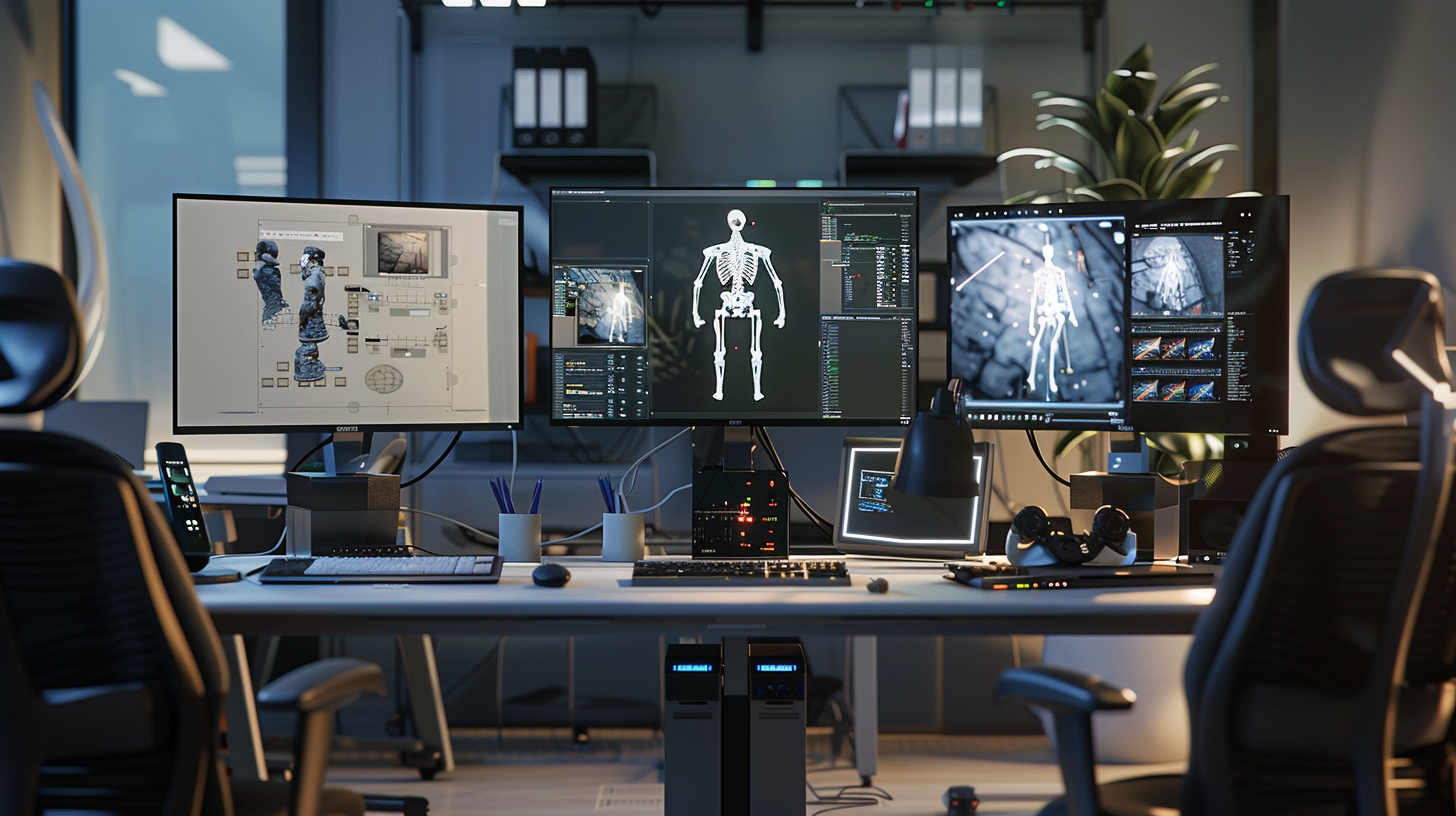
AAA game development combines technology, art, performance, film production, and engineering into massive, multi-year pipelines. These productions require advanced tools and workflows to build lifelike characters, immersive worlds, dynamic combat, and cinematic storytelling. In 2025, AAA pipelines rely heavily on mocap, scanning, procedural environment tools, real-time engines, and next-generation VFX.
Studios partner with companies like Mimic Gaming to capture realistic movement, scan actors and props, enhance animation, create emotional cutscenes, and build digital doubles for gameplay and cinematics.
This guide breaks down how AAA games are made and explains the core components of a modern AAA pipeline.
Table of Contents
What defines AAA game production?
AAA games differ from smaller productions due to:
large budgets
hundreds of team members
long development cycles
photoreal environments
complex animation and VFX
cinematic storytelling
high expectations for polish
They require deep pipelines capable of handling vast amounts of data, assets, and iteration.
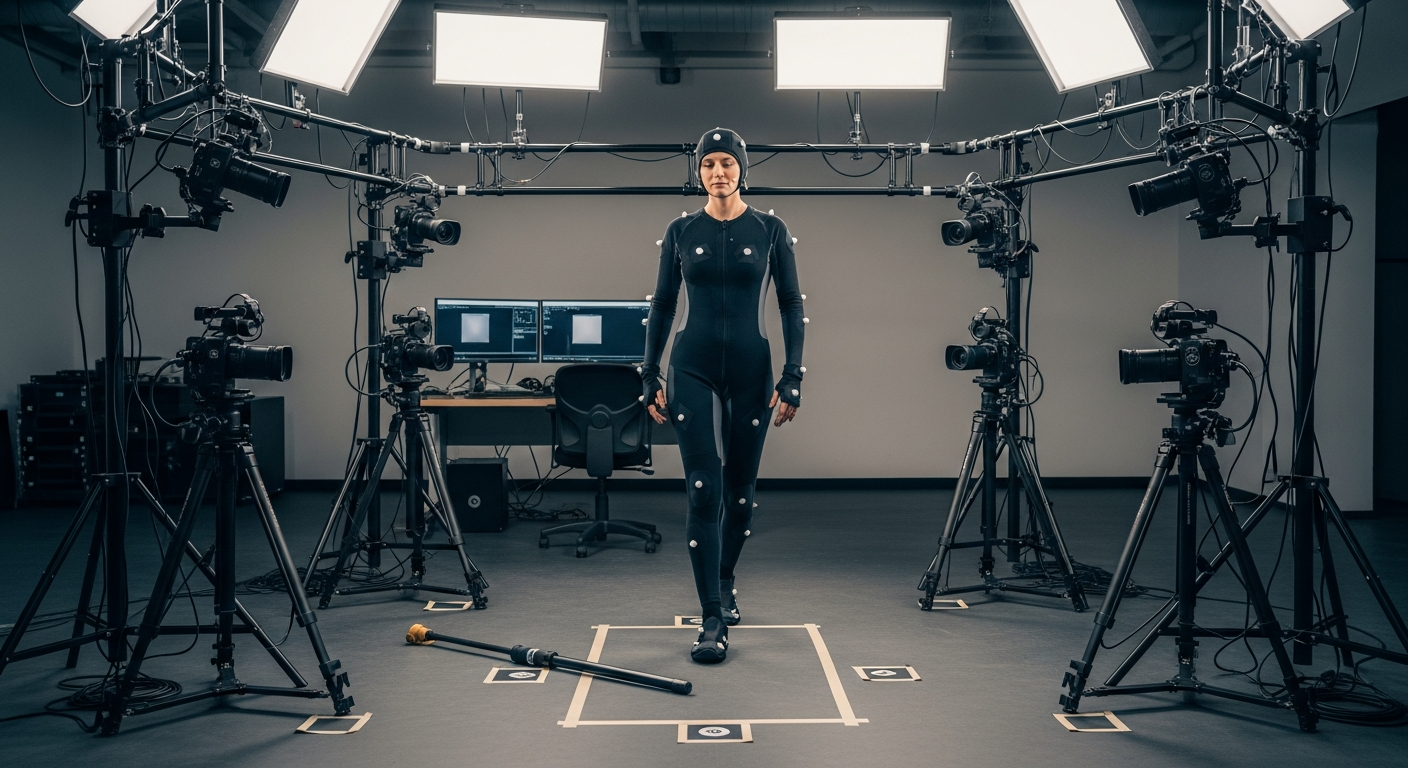
Motion capture for characters and combat
Motion capture (mocap) is the foundation of many AAA pipelines.
Studios use:
full performance capture
optical systems
inertial suits
real-time mocap visualization
combat stunt teams
Mocap gives characters natural weight, timing, and emotional nuance.
This connects strongly with the AAA mocap workflows described here.
Mocap also accelerates animation production and ensures realism.
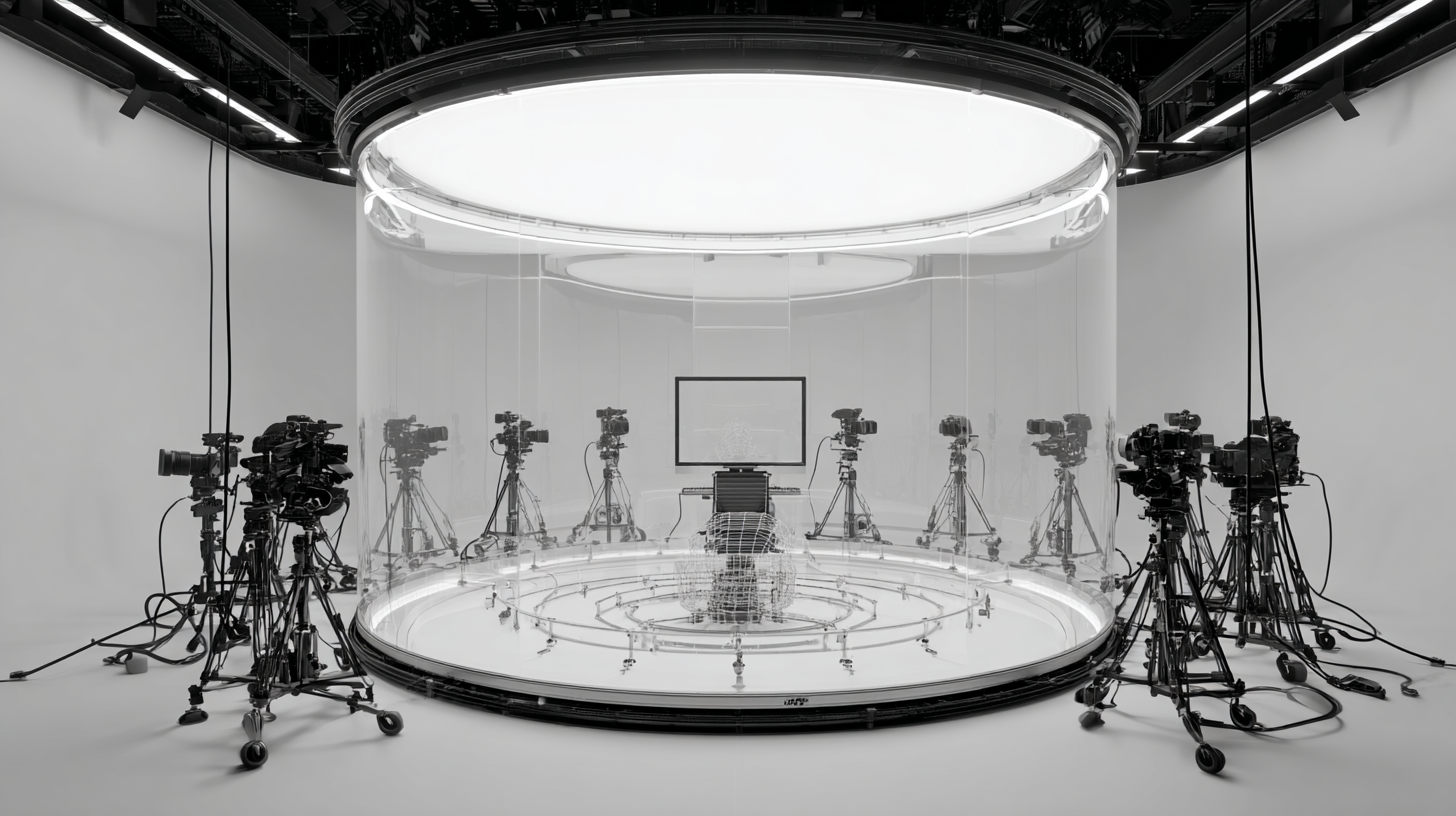
Full-body and facial scanning
AAA characters often start as high-resolution scans of actors or models.
Scanning captures:
skin detail
facial topology
muscle structure
clothing folds
props and weapons
These scans are refined into digital doubles for use in:
cinematics
gameplay
promotional content
Accurate scanning improves consistency across cutscenes and gameplay models.
Environment scanning and worldbuilding
Studios also scan:
locations
buildings
rocks and foliage
vehicles
props
Photogrammetry accelerates worldbuilding and ensures visual cohesion.
This supports the environmental quality described in worldbuilding and environmental design techniques.
Scanned assets are integrated into large open worlds or cinematic levels.
Preproduction vs Production Pipelines in AAA Development
Phase | Preproduction | Production
Main goal | Concept building | Full asset creation
Tools | storyboards, scans, test rigs | mocap, VFX, shaders
Animation | test cycles | final cycles and polish
Environments | blockouts | final detailed worlds
Characters | concept + scans | rigging + animation
VFX | prototype | full simulation
Cinematics | previs | final cutscenes
VFX pipelines for gameplay and cinematics
AAA VFX teams work on:
particle effects
explosions
weather systems
magic and energy
destruction sequences
volumetric fog
stylized effects
Advanced real-time rendering tools support these pipelines.
AAA studios rely on engines like Unreal for cinematic-quality effects, as highlighted in VFX in gaming.
Cinematic cutscene creation workflows
Cinematics blend:
mocap
facial animation
camera work
lighting
sound
narrative direction
AAA cutscenes feel like film sequences.
Studios often use:
real-time engines
virtual production techniques
actors performing scenes live
digital doubles
AI-assisted animation cleanup
This ensures emotional clarity and performance consistency across the game.
Animation cleanup and AI-assisted systems
AAA animation pipelines involve:
mocap cleanup
retargeting
motion blending
IK adjustments
facial rig polishing
scene-specific adjustments
AI helps by:
stabilizing mocap
predicting motion curves
fixing jitter
improving transitions
This accelerates production significantly.
Sound, dialogue, and performance workflows
AAA sound teams handle:
voice acting
Foley
environmental soundscapes
dynamic audio systems
adaptive music
layered combat audio
Dialogue is tracked, synced, and integrated into cutscenes and gameplay.
Why do AAA games require long development cycles?
AAA titles take years due to:
massive asset counts
motion capture sessions
cinematic pipelines
optimization requirements
cross-platform complexity
iterative refinements
testing and polishing phases
Even with AI and real-time engines, production timelines remain large.
Conclusion
AAA game development blends film production, animation, VFX, scanning, mocap, and real-time engine technology into one of the most complex creative pipelines in entertainment. Studios rely on advanced scanning, cinematic motion capture, VFX simulations, and AI-assisted animation to produce the realistic and emotional experiences players expect.
With tools and services from Mimic Gaming, studios can streamline mocap, digital humans, VFX, and cinematic workflows to build the next generation of AAA titles.
FAQs
1. Why is mocap so important in AAA games?
It provides realistic movement and emotional performance.
2. How do AAA studios build environments?
Through photogrammetry, scanning, and detailed worldbuilding.
3. How long does AAA development take?
Usually between three to six years, depending on the scope.
4. What engines do AAA studios use?
Primarily Unreal, though some use Unity or in-house engines.
5. Why are cutscenes so cinematic today?
Studios use real-time engines and film-style performance capture.
6. Does AI help AAA production?
Yes. AI accelerates mocap cleanup, animation, VFX, and scene iteration.
7. What makes AAA pipelines different from indie pipelines?
Scale, team size, visual complexity, and cinematic integration.
 May 29, 2026
 September 22, 2026
 November 18, 2025