
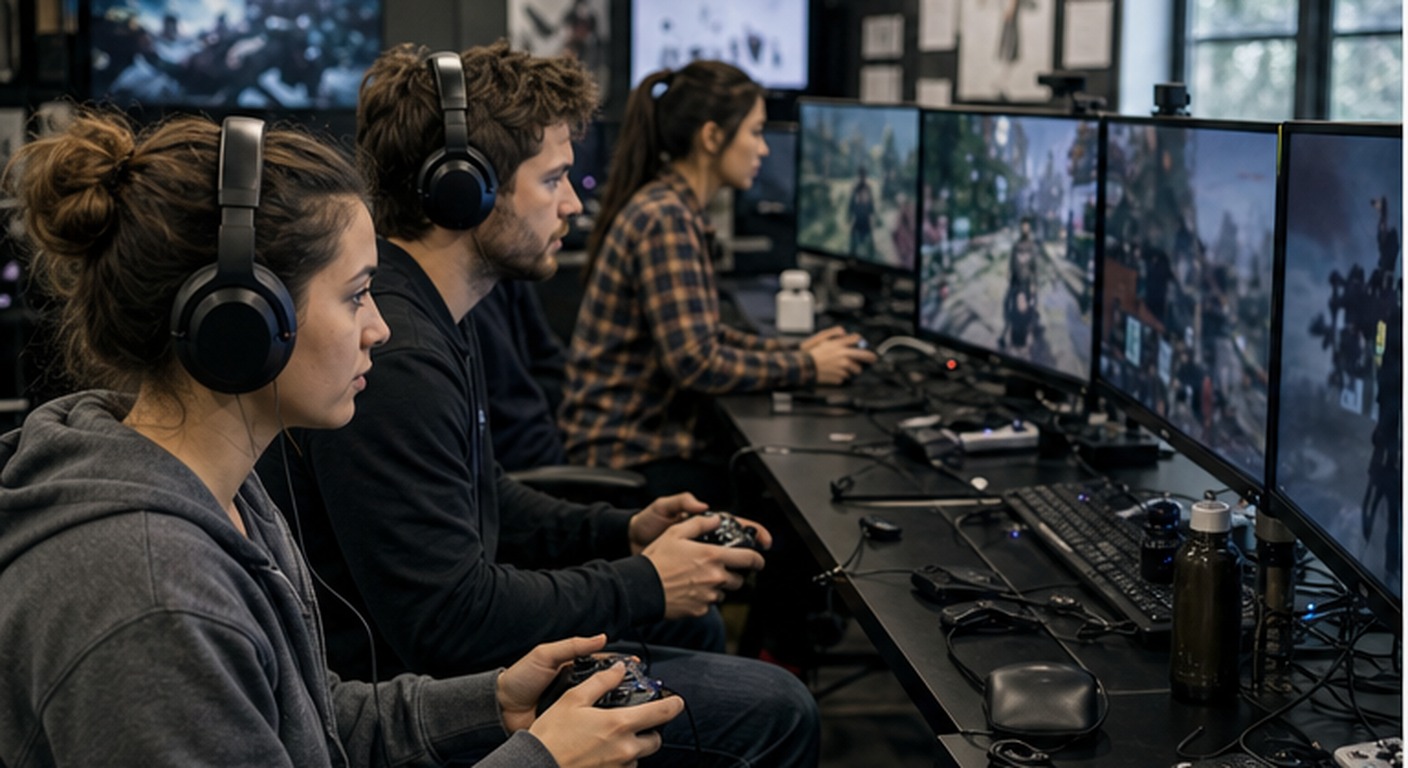
When game studios look for motion capture support, the first instinct is often to compare stage size, camera count, and day rates. Those details matter, but they do not tell the whole story. A strong motion capture partner for games should help your team plan the performance, capture usable takes, clean and retarget the data, and deliver animation that works inside your actual game pipeline.
The right partner understands how game animation differs from film capture. Game motion has to read from the player camera, blend with other states, support design changes, and survive technical constraints. Combat, traversal, cinematic acting, AI NPCs, trailers, emotes, and dialogue scenes all need different planning decisions.
This guide explains what to check before you choose a studio, what to ask during pre-production, and how to judge whether a mocap partner can support production through delivery. It also connects the decision to Mimic Gaming’s 3D game development services, motion capture technology, and character performance and animation capabilities.
What Makes Game Motion Capture Different?
Game motion capture is not simply a realistic recording of movement. It is performance data that has to become interactive animation. A cinematic shot may be played once from a fixed camera, but gameplay animation has to blend, loop, interrupt, recover, and respond to player input.
That changes the way a partner should plan the work. A sword swing needs anticipation that reads before impact. A jump landing needs contact that can blend into locomotion. A dialogue gesture needs enough character to feel alive but not so much noise that it becomes distracting. The capture partner should understand these tradeoffs before anyone steps on stage.
Gameplay motion must support readable silhouettes, timing, and transitions.
Cinematic motion must protect acting, staging, continuity, and camera intent.
NPC motion must often be modular, reusable, and structured for behavior systems.
A motion capture partner who understands games will talk about animation states, rigs, root motion, additive layers, implementation review, and polish. A partner who only talks about the stage may leave your team with more work than expected.
Pre-Production: The Work Before the Stage
The cleanest mocap sessions usually start with the clearest briefs. Before capture day, your team and the mocap partner should agree on what is being captured, how it will be used, how it will be reviewed, and what final delivery means. This is where many production problems can be avoided.
A good brief includes character scale, movement style, combat or traversal requirements, prop dimensions, camera perspective, target frame rate, rig notes, engine target, file format, naming rules, and reference clips. If the project includes facial performance, creature-inspired movement, or scanned actors, those needs should be discussed before scheduling the stage.
Define animation categories: locomotion, combat, traversal, dialogue, cinematic, NPC, or trailer work.
Separate actions that need performance capture from actions better handled with keyframe animation.
Prepare props, scale references, safety needs, and performer direction before the session.
Agree on how takes will be named, reviewed, selected, cleaned, and delivered.
If your project also needs scanned characters, props, or real-time visual consistency, connect this stage with Mimic Gaming’s technology pipeline so capture, scanning, character work, and engine delivery are aligned from the beginning.
Capture Quality and Studio Capabilities
Camera count and tracking quality are important, but they are only part of the decision. The studio should also know how to direct performers for game readability, manage occlusion, handle props, preview useful takes, and adapt the session when the action does not work as expected.
Ask whether the stage can support the physical actions your project needs. Close-contact combat, weapon handling, crawling, climbing, sports motion, group blocking, stunt-style movement, and subtle dialogue performance all place different demands on the space and crew.
Can the team preview motion on a target rig or proxy during review?
Can they capture body, face, hands, props, or multiple performers when needed?
Do they understand the difference between realistic motion and game-readable motion?
Can they provide organized takes quickly enough for production decisions?
The most useful partner is not the one with the most impressive room. It is the one that can turn the room, performers, props, direction, and review process into animation your team can trust.
Cleanup, Retargeting, and Animation Polish
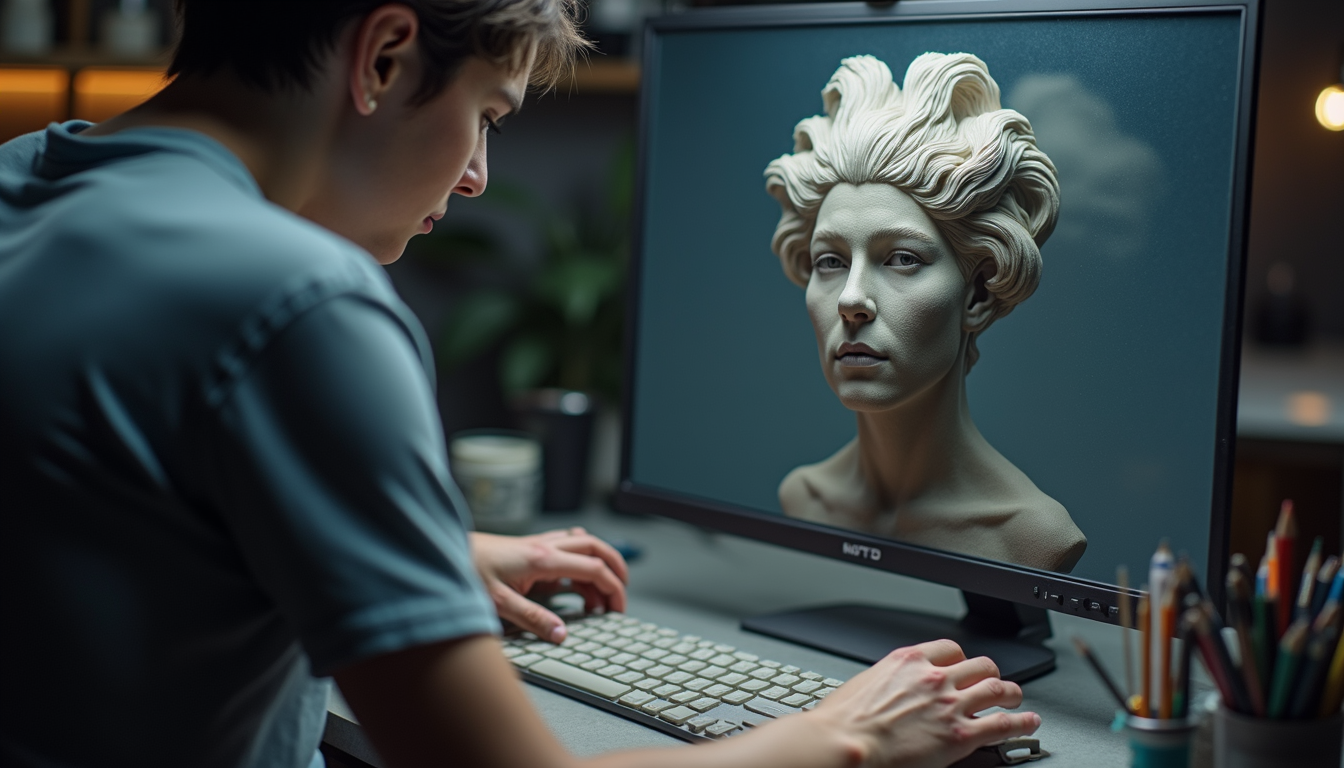
Raw capture data is not final game animation. It can include marker swaps, jitter, foot sliding, hand contact errors, scale mismatches, prop offsets, and motion that feels physically true but visually weak from the player camera. Cleanup and retargeting are where captured movement becomes production-ready.
A strong partner should explain how they handle contact, weight, body mechanics, facial performance, rig proportion differences, and style adaptation. For a stylized character, the team may need to exaggerate timing and silhouettes. For realistic characters, they may need to protect balance, micro-shifts, acting beats, and believable transitions.
Ask for before-and-after cleanup examples, not only final reels.
Confirm which skeleton, naming convention, and export settings the partner will support.
Make sure polish is included when your team needs finished animation, not just cleaned data.
This is where Mimic Gaming’s character performance and animation experience matters. The goal is not only clean data, but readable performance that fits the character, camera, and gameplay context.
Engine-Ready Delivery and Review
The real test of motion capture is not how it looks in isolation. It is how it behaves once the animation enters the game. A clip may look excellent in a DCC tool but fail in a locomotion graph, combat blend tree, dialogue sequence, physics setup, or AI behavior system.
Before you sign off on delivery, confirm the technical details: skeleton compatibility, root motion, additive layers, frame rate, compression, file naming, source files, preview videos, and revision process. If the project uses Unreal Engine, Unity, or a proprietary engine, those constraints should be part of the brief from the start.
For AI NPCs and digital companions, this becomes even more important. Modular idles, reactions, gestures, alert states, and social behaviors must be captured and organized for reuse. Mimic Gaming’s AI-driven NPC and digital companion animation work shows how animation libraries need structure for real-time behavior, not just linear scenes.
Questions to Ask Before You Book
A strong proposal should make scope, ownership, and delivery clear. Use these questions to compare motion capture partners more accurately than a simple day-rate quote.
What is included in the quote: planning, stage time, actor direction, cleanup, retargeting, polish, revisions, or only raw capture?
Can you preview takes on our target rig or a proxy rig before final delivery?
How do you handle foot sliding, hand contact, prop alignment, marker loss, and facial performance?
What exact files, naming structure, notes, and review materials will our animation team receive?
Do you have examples for our use case: combat, traversal, cinematics, NPC behavior, trailers, or dialogue?
How do you handle scope changes, new takes, implementation feedback, and late-stage revisions?
The clearest answer is often the safest partner. If a studio can describe the pipeline in detail, your team is less likely to discover missing work after the capture session is already complete. Mimic Gaming’s services model is built around that wider production need, from creative direction to technical delivery.
FAQ
What should a motion capture partner for games provide?
They should provide planning, performer direction, capture, cleanup, retargeting, animation polish, organized files, review materials, and delivery settings that fit your rig and engine pipeline.
Is mocap better than keyframe animation?
Mocap is excellent for realistic human motion, cinematic acting, sports, traversal, and combat foundations. Keyframe animation is still essential for stylization, creatures, exaggeration, transitions, and final polish. Most game pipelines use both.
When should a studio involve a mocap partner?
Involve them during pre-production whenever possible. Early input helps define shot lists, actor needs, prop setup, rig tests, engine constraints, naming conventions, and review cycles before the capture day begins.
What deliverables should we request from a game mocap studio?
Request raw files if needed, cleaned data, retargeted animation, polished clips, take notes, naming documentation, preview videos, and engine-ready exports matched to your skeleton, frame rate, and review workflow.
Can motion capture work for stylized games?
Yes. Stylized games often use mocap as a performance base, then adjust timing, silhouettes, spacing, poses, and exaggeration during animation polish. The key is choosing a partner who understands the intended style.
How do we compare motion capture quotes?
Compare scope, not only price. A quote that excludes cleanup, retargeting, polish, revisions, or engine testing may look cheaper but create more internal work later.
Does mocap help AI NPC animation?
Yes, especially for reusable idles, gestures, reactions, alerts, and social cues. The clips must be planned as modular behavior assets rather than only as linear cinematic performances.
Why choose Mimic Gaming for motion capture support?
Mimic Gaming connects mocap with character performance, 3D scanning, game animation, real-time engine workflows, and production support, helping studios move from performance to usable game assets.
Conclusion
Choosing a motion capture partner for games is really choosing how much production risk your animation team will carry. The best partner helps before capture, directs performance during capture, and delivers motion that can move through cleanup, retargeting, engine review, and final polish without falling apart.
Look for a team that understands both the art and the implementation. Camera systems and suits matter, but so do story, gameplay, technical animation, naming discipline, and production communication.
For cinematic characters, combat systems, NPC behavior, trailers, or full animation libraries, talk to Mimic Gaming about motion capture, character animation, and engine-ready production support for your next game.
 September 24, 2026
 July 30, 2026
 August 20, 2026