
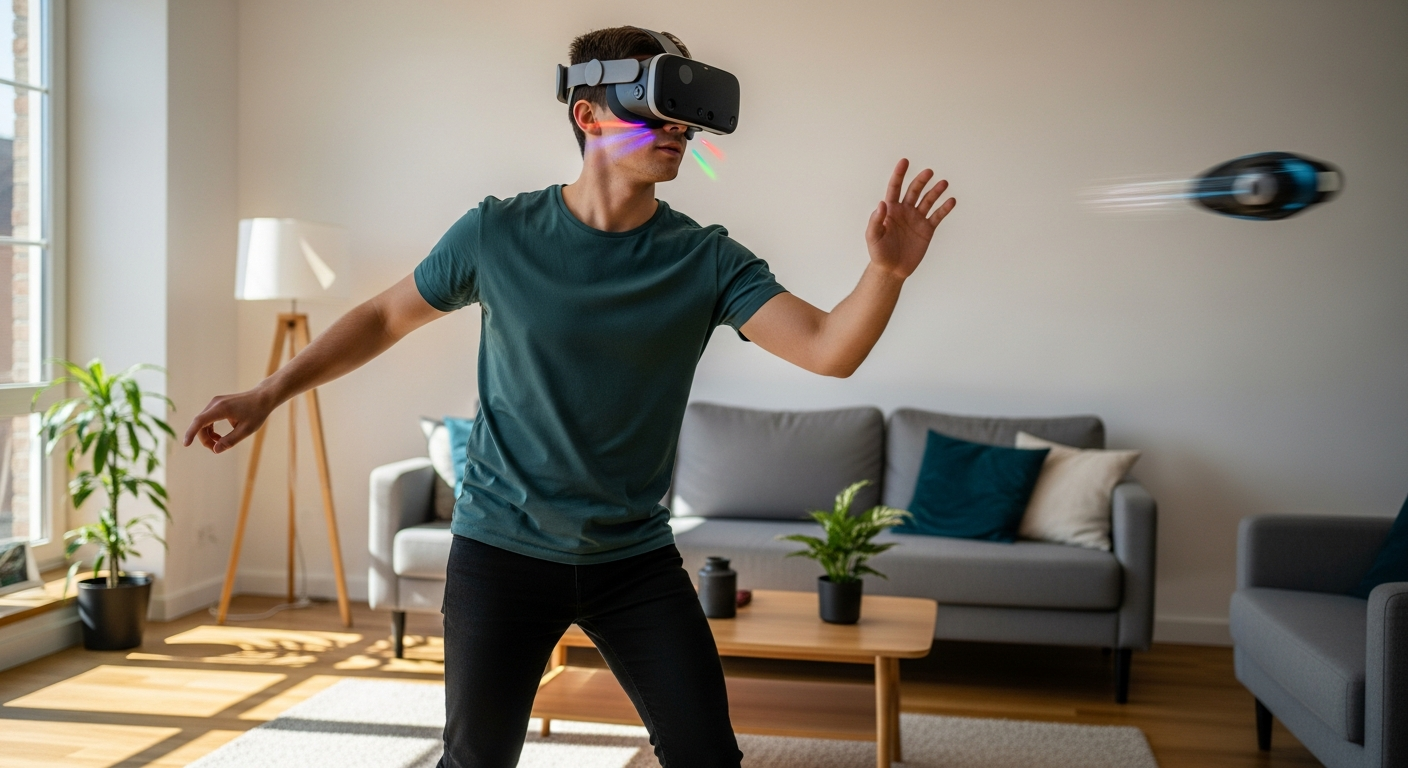
XR gaming brings together augmented reality, virtual reality, and mixed reality into interactive experiences that merge physical and digital worlds. As hardware becomes lighter, engines become more powerful, and AI enhances real-time interaction, XR gaming is moving from an emerging concept to a mainstream category. Studios are now building games that adapt to physical environments, track natural movement, combine holographic content with social play, and deliver immersive experiences far beyond traditional screen-based formats.
This shift is reshaping how gameplay is designed, how stories are told, how players interact, and how studios build and distribute content. XR gaming introduces new technical challenges but also major opportunities for innovation across gameplay, monetization, and world-building.
This article explores what the rise of XR gaming means for developers, players, and game studios.
Table of Contents
What is XR gaming?
XR gaming includes any game that blends digital content with the physical world.It is a spectrum that includes:
AR gaming
VR gaming
mixed reality experiences
hybrid titles that switch between modes
Players can interact with holograms in their living room, explore virtual worlds through headsets, or engage in mixed reality gameplay that anchors enemies, environments, or puzzles to physical surfaces.
Foundational concepts overlap with the ideas explored in AR gaming growth insights, which explain why spatial interaction is becoming central to gameplay.
Why is XR gaming growing so quickly?
Several forces are driving adoption:
More powerful mobile devices
Affordable VR headsets
Mixed reality in mainstream consoles
Advances in computer vision and tracking
AI-powered spatial mapping
More interest in physically active gameplay
Support from major game engines
Players want deeper immersion, and studios want new ways to differentiate their titles.
How does XR change gameplay design?
Traditional game design focuses on screen-based actions, fixed camera views, and button-driven interaction. XR gaming changes all of this by requiring physical movement, spatial strategy, and real-time awareness.
XR design affects:
camera perspective
player safety
object interaction
level layout
enemy placement
puzzle structure
environmental storytelling
Design becomes more environmental, sensory, and physically intuitive, similar to how VR titles operate in VR gaming fundamentals.
Studios must think in terms of real world boundaries, comfort, and blended world logic.
New creative opportunities for developers
XR expands what creators can build.
Developers gain access to:
room scale exploration
spatial puzzles
full body combat
holographic storytelling
interactive objects placed in real-world space
mixed reality boss fights
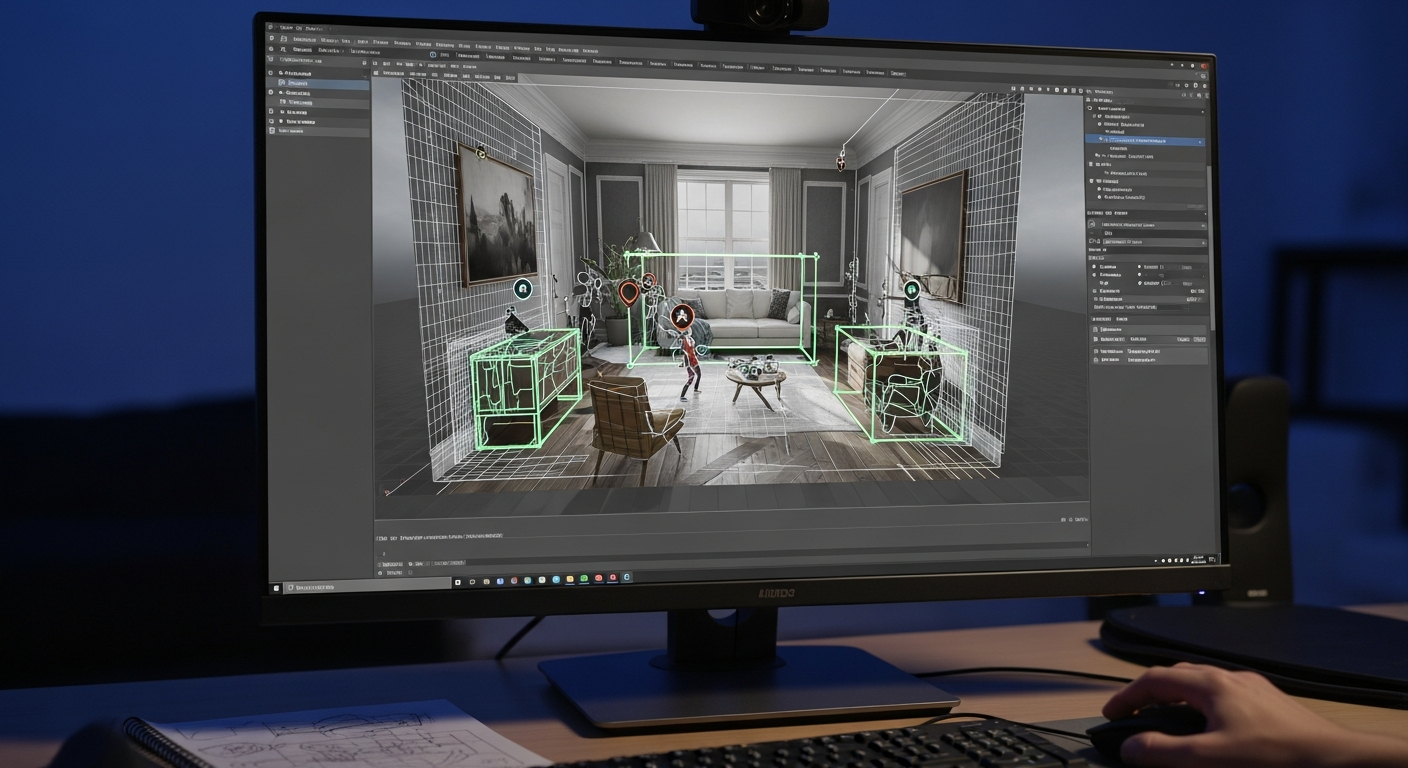
games that adapt to each player’s home layout
Narrative designers can merge physical objects with digital clues, while gameplay designers can build interactions that rely on body movement, voice, and gesture.
This opens genres that never worked well on flat screens.
How do players experience immersion differently?
Immersion in XR is full body and environmental rather than visual only. Players feel present inside the experience because their real surroundings influence gameplay.
Players engage through:
spatial sound
physical walking or dodging
natural hand interaction
tactile response through controllers
real world lighting affecting game feel
This sensory depth changes emotional engagement, pacing, and player mindset.
XR hardware evolution and player expectations
Hardware is becoming lighter, more accurate, and more accessible.
Players expect:
quick room setup
comfortable headsets
strong tracking
better battery life
mixed reality passthrough
minimal motion discomfort
As hardware improves, XR games will feel smoother, easier to learn, and more visually consistent.
Social and multiplayer XR experiences
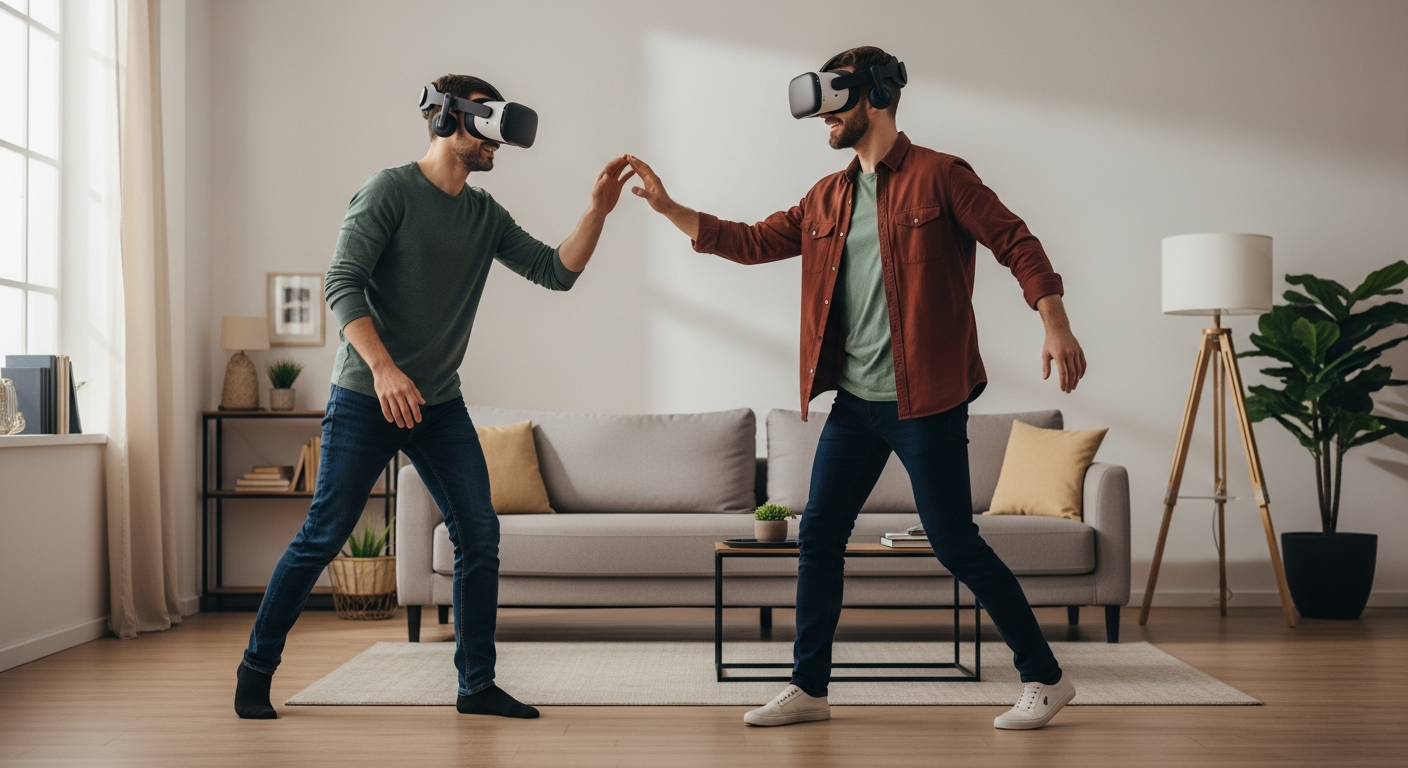
Multiplayer XR gaming is expanding quickly because players enjoy interacting in shared digital spaces.
Features include:
co-op mixed reality battles
shared virtual rooms
voice and gesture communication
synchronized holograms
spatial voice chat
friend group adventures
Social interaction also benefits from cloud connectivity, similar to the infrastructure described in Cloud Gaming beginner understanding, where latency and server support shape the experience.
Challenges for studios building XR titles
Studios entering XR must learn new skills and solve design issues such as:
tracking reliability
room layout differences
motion comfort
safety boundaries
physics consistency
device fragmentation
balancing performance versus visual quality
These challenges require specialized workflows, testing methods, and engine knowledge.
Studios that work with partners like Mimic Gaming services, gain support for holo interactions, real-world mapping, and simulation-driven design.
The future of XR gaming
XR gaming will continue to grow through:
AI generated spatial worlds
full body avatars
eye tracked interaction
persistent real world anchored games
hybrid AR VR titles
cloud based holographic distribution
mixed reality esports
spatial storytelling with volumetric characters
This evolution will reshape the relationship between players, devices, and digital worlds.
Conclusion
XR gaming is becoming a major pillar of the interactive entertainment industry. It unlocks new creative possibilities for developers, expands immersion for players, and opens business opportunities for studios ready to explore spatial design. With stronger hardware, better engines, AI supported mapping, and flexible development frameworks, XR gaming is positioned to redefine how games are built and experienced.
Studios partnering with the Mimic Gaming services team can take advantage of advanced XR workflows that support high-quality spatial gameplay.
FAQs
1. What makes XR gaming different from traditional gaming?
It blends physical and digital worlds, requiring spatial movement and natural interaction.
2. Is XR gaming only for VR headsets?
No. XR includes AR, MR, and hybrid experiences.
3. Do XR games need large play spaces?
Some do, but many titles adapt to room size or use seated modes.
4. Can XR games be multiplayer?
Yes. XR supports shared virtual rooms and real world anchored co op play.
5. What challenges do XR developers face?
Tracking accuracy, device fragmentation, motion comfort, and environment based gameplay design.
6. Is XR gaming growing quickly?
Yes. Better hardware and stronger engine support are accelerating adoption.
7. Will XR and AI merge in games?
AI will help generate spatial worlds, guide gameplay, and improve tracking quality.
8. What is the future of XR games?
Persistent mixed reality worlds, adaptive environments, and AI-enhanced storytelling.
 November 17, 2025
 November 18, 2025
 December 18, 2025