
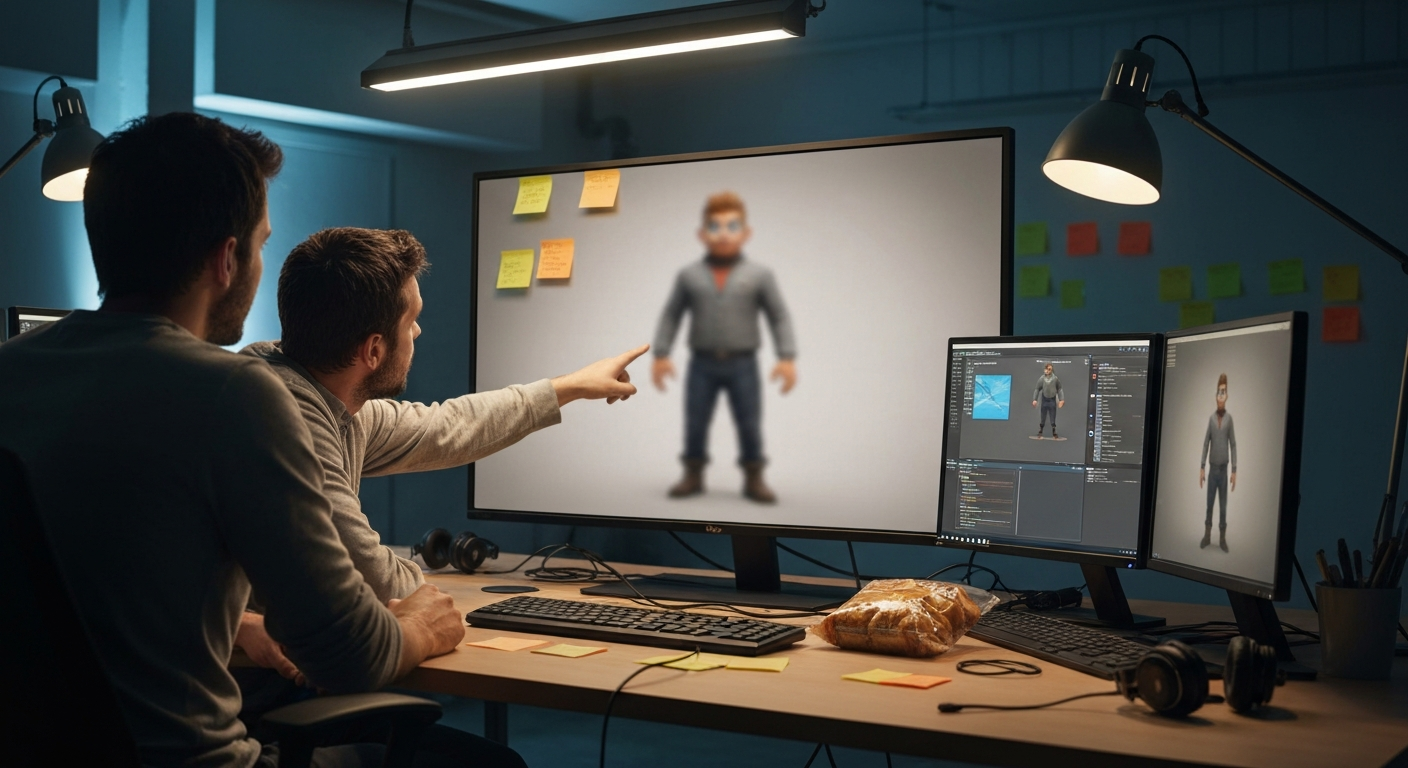
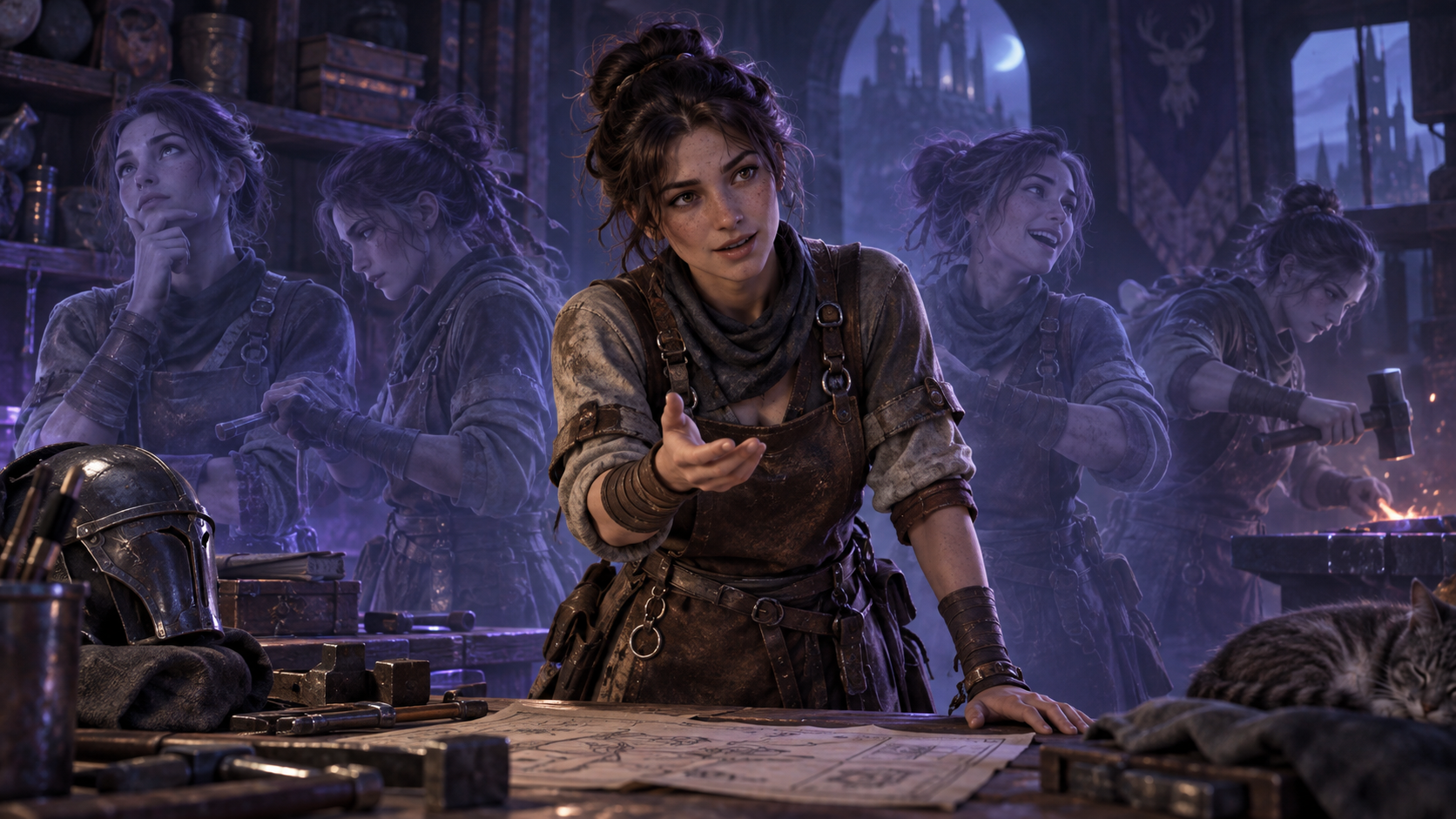
How can studios turn AI-driven NPCs from a clever demo into a production-ready character system?
AI-driven NPCs are no longer just a speculative feature for future games. They are becoming part of how studios think about companions, responsive worlds, live content, training experiences, and player-specific storytelling. The opportunity is exciting, but the production challenge is real: a believable AI character has to work with writing, animation, engine constraints, safety rules, and player expectations.
This guide explains how studios can plan AI-driven NPCs and digital companions in a practical way. It focuses on character purpose, behavior design, real-time animation, technical integration, testing, and the service pipeline needed to make responsive characters feel polished inside a game.
Why AI-Driven NPCs Matter Now
AI-driven NPCs are becoming a serious production topic because players now expect worlds that respond, remember, and feel alive. A studio does not need every background character to become a fully autonomous agent, but it does need clear rules for where intelligence adds value. The strongest use cases are usually companion characters, quest givers, combat partners, crowd behaviors, training simulations, and social characters that need more variation than a fixed dialogue tree can provide.
For a production team, the question is not whether AI can talk. The sharper question is how AI behavior fits the character, the engine, the animation set, the story constraints, and the game loop. That is why an AI-driven NPC and digital companion pipeline has to sit beside writing, animation, technical art, performance capture, testing, and gameplay design instead of being treated as a separate novelty layer.
The best results come when studios define NPC intelligence as a production system. Designers set intent, writers define boundaries, animators build believable response ranges, engineers handle memory and state, and QA teams test the edges. When those parts connect, AI-driven NPCs can make a game feel more responsive without breaking tone, pacing, safety, or performance.
What an AI NPC Pipeline Includes
A practical AI NPC pipeline starts with character purpose. Is the character a guide, rival, shopkeeper, party member, enemy, quest system, or ambient world citizen? Each role needs a different level of memory, dialogue variation, animation control, and systemic access. A companion may need relationship memory and emotional continuity, while a crowd character may only need awareness, gesture variation, and believable movement inside a shared simulation.
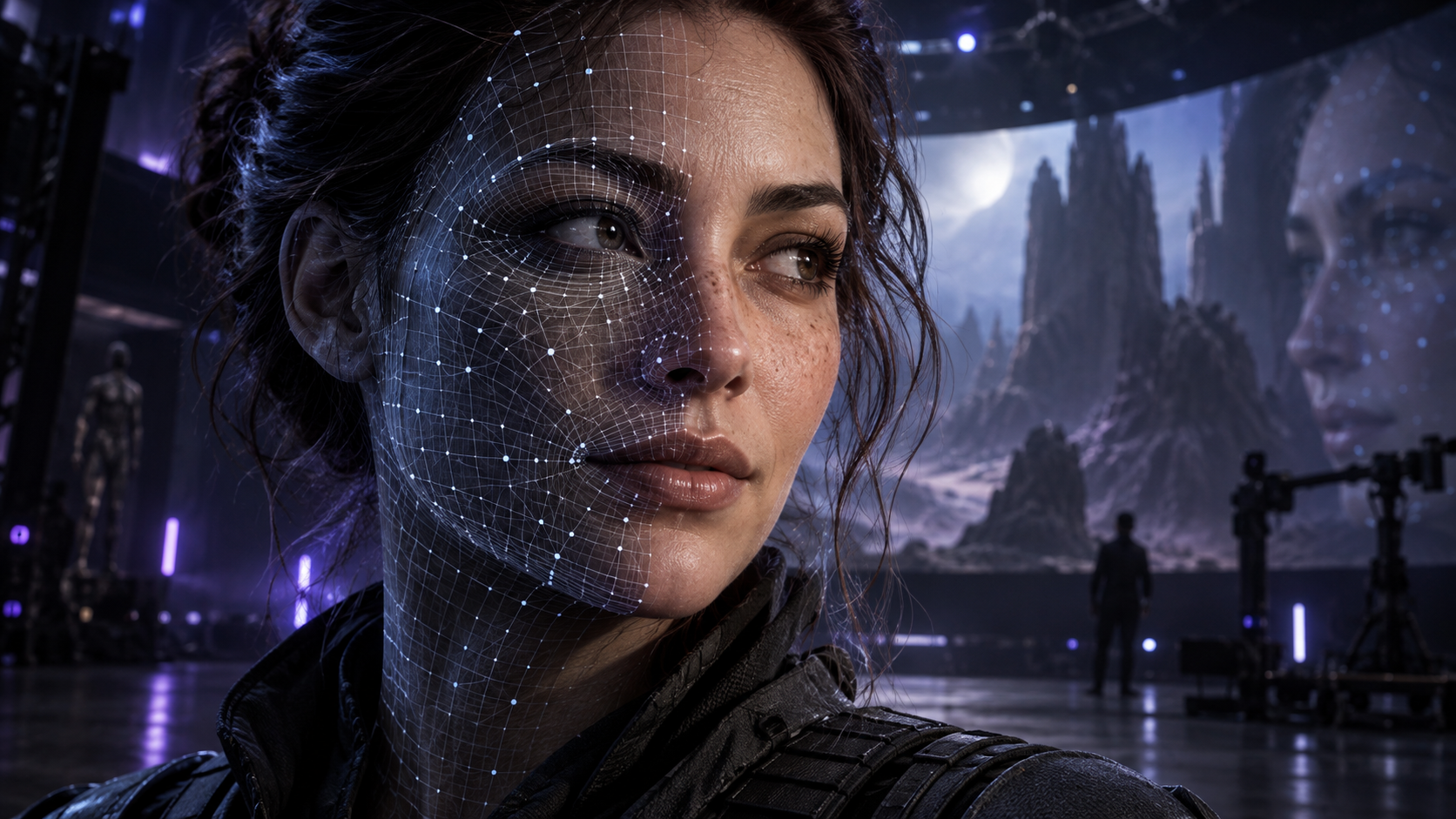
The pipeline then moves into performance and presentation. A responsive character still needs body language, timing, facial expression, voice direction, and animation transitions that match the player moment. This is where character performance and animation become central. AI can choose a response, but animation makes that response readable, grounded, and emotionally useful.
Finally, the pipeline needs integration rules. Teams define what data the NPC can access, how long memory persists, when scripted content overrides generated behavior, what happens when the player interrupts, and how the character recovers from invalid states. Those guardrails make the difference between an impressive demo and a feature that survives production.
A useful planning habit is to treat every AI NPC as both a creative asset and a runtime system. The creative side defines personality, tone, emotion, and player fantasy. The runtime side defines state, permissions, latency, animation access, and failure recovery. When both are documented early, teams can scale the feature without losing the character.
Designing Behavior, Memory, and Dialogue
Behavior design gives an AI NPC a reason to exist. Before teams write prompts, models, or dialogue rules, they should define goals, limits, emotional range, relationship arcs, and fail states. A strong NPC can surprise the player, but it should not surprise the design team by ignoring the genre, quest structure, rating constraints, or narrative tone.
Memory is useful only when it improves play. Short-term memory can help an NPC respond to recent player choices, while long-term memory can make companions, rivals, and digital companions feel consistent across sessions. But memory also needs filters. Teams should decide what is remembered, what is summarized, what expires, and what never becomes part of the character state.
Dialogue systems should also separate authored truth from generated variation. Lore, quest facts, safety constraints, and brand voice remain authored. The flexible layer can adapt phrasing, mood, and small reactions around that spine. This keeps conversations lively while protecting the story and production intent.
For studios building cross-platform or immersive experiences, these choices also connect to XR, VR, and AR game experiences, where spatial presence makes inconsistent character behavior much more obvious to the player.
Connecting AI Characters to Real-Time Animation
An intelligent NPC still fails if the body cannot keep up. Players read timing, posture, eye line, gestures, locomotion, and facial expression faster than they parse dialogue. For that reason, AI character work should be paired with animation state machines, motion matching, gesture libraries, blend spaces, and performance capture planning from the start.
A good real-time gameplay animation setup gives the AI system expressive options without demanding a custom animation for every possible line. Characters can use reusable reaction sets, gaze shifts, idle variants, locomotion layers, and emotional overlays. The more reusable the animation vocabulary is, the easier it becomes for AI behavior to look intentional instead of random.
Studios should also define priority rules between gameplay control and character expression. Combat, traversal, camera safety, player input, and scripted beats often need to override a generative response. Those rules are not limitations. They are the production grammar that lets responsive characters feel polished inside an actual game.
Production Workflow for Studios
A studio-ready workflow usually moves through discovery, prototype, vertical slice, production, and live tuning. In discovery, teams choose the player fantasy, NPC roles, target platforms, safety rules, and success metrics. In prototype, they test whether the AI behavior improves the game loop. In vertical slice, they prove the full stack: writing, animation, engine integration, UI, memory, tools, telemetry, and QA.
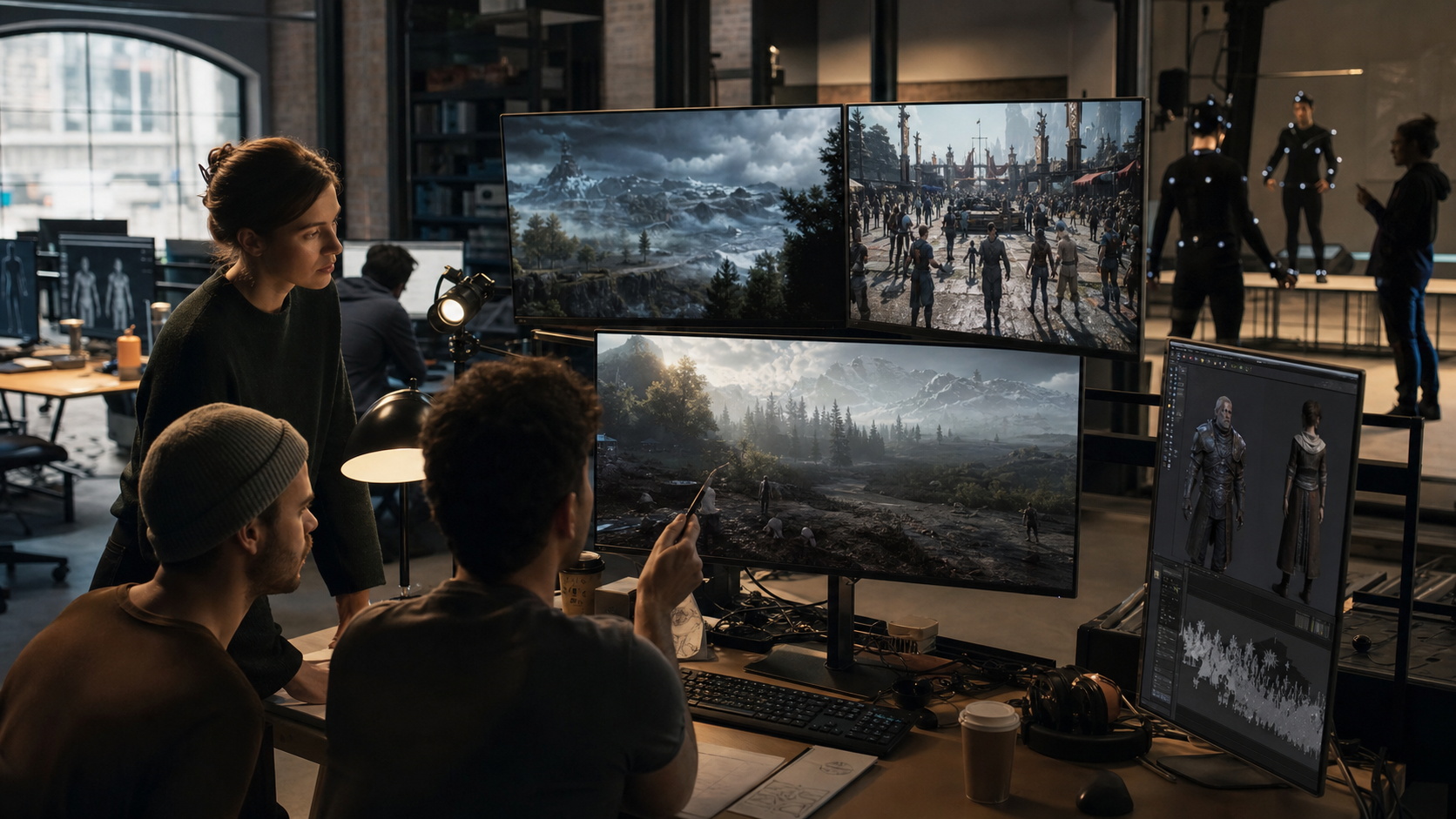
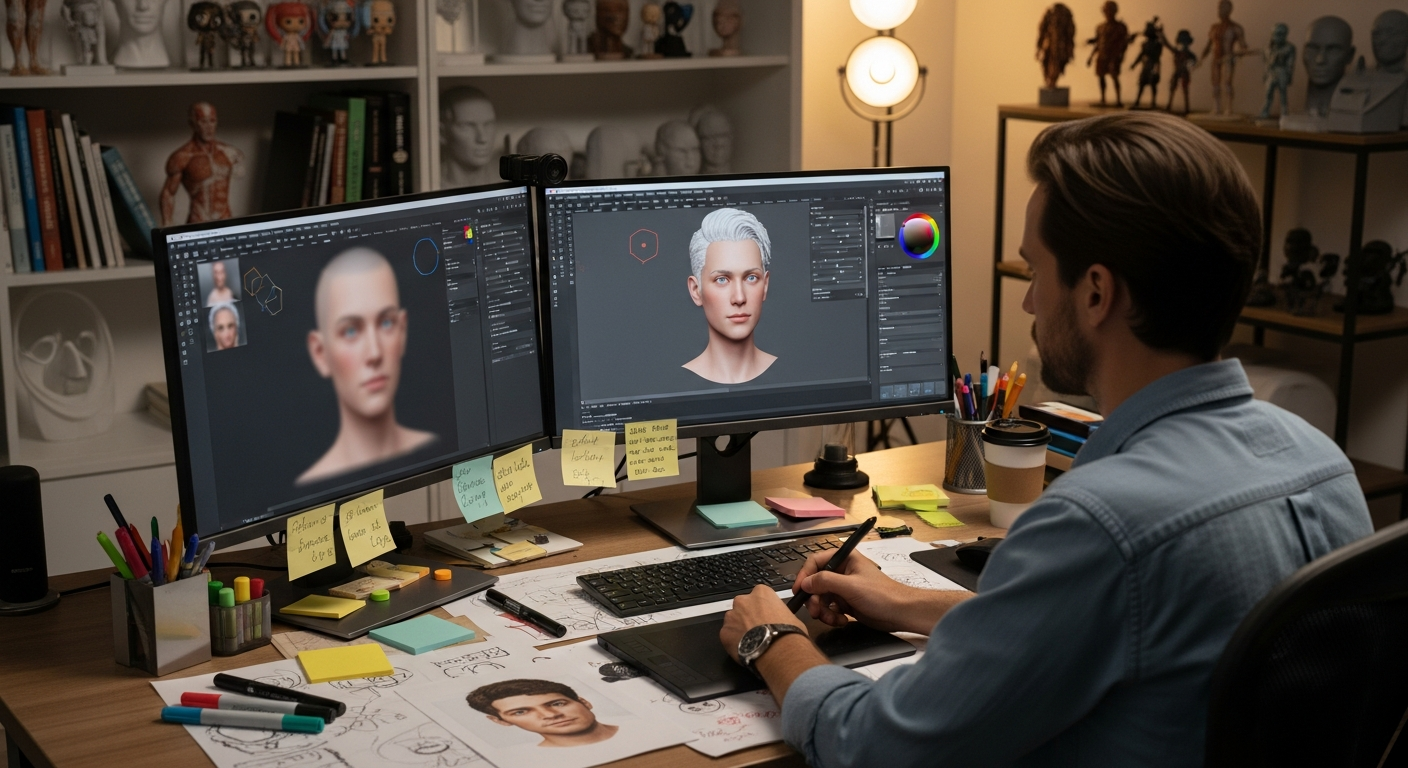
Production then becomes a repeatable content process. Character artists build the look, technical artists prepare engine-ready assets, animators create response ranges, writers author canonical knowledge, designers tune behaviors, and engineers connect runtime systems. Services such as stylized and photoreal character creation are especially useful when a digital companion must feel specific, brand-right, and ready for gameplay close-ups.
Marketing should not be forgotten. AI-driven NPCs are often easiest to understand when players see them in context. A polished trailer can show how a companion reacts to the player, how a crowd responds to a world event, or how a rival remembers previous encounters. That is where game trailers and marketing animation can turn a technical feature into a clear player promise.
Testing, Safety, and Performance
AI-driven NPCs require a broader testing plan than traditional scripted characters. QA teams need to check response quality, continuity, lore accuracy, animation alignment, memory behavior, moderation boundaries, latency, and edge cases created by unusual player input. Automated playtesting can help, but human review remains essential because tone and believability are creative judgments as much as technical metrics.
Safety should be designed into the feature before production content scales. Teams need policies for banned topics, player harassment, personal data, age ratings, platform rules, and multiplayer abuse. They also need fallback lines and behavior states for moments when the AI system is uncertain, offline, overloaded, or blocked by a safety filter.
Performance is just as important. A character can be clever and still damage the experience if it creates long response times, unstable frame rates, or expensive server calls. The Mimic Gaming technology approach should be evaluated alongside engine budgets, content scale, and deployment strategy so the final system feels responsive to players and manageable for the studio.
How to Plan Your First AI NPC Feature
The safest first feature is usually narrow, visible, and measurable. Instead of making every NPC intelligent, choose one companion, training guide, quest character, or social interaction loop where responsiveness directly improves the player experience. Define the feature in plain language: what the character knows, how it reacts, what it must never do, and how success will be measured.
Next, build a content matrix. List the character states, player intents, emotional beats, animation needs, memory rules, and fallback behaviors. Then connect the matrix to the production team: who writes the canonical content, who owns performance, who tunes runtime behavior, who tests boundaries, and who approves the final player-facing tone.
Studios can explore broader use cases across gaming applications after the first feature proves itself. That staged approach keeps risk under control while giving the team real data about player engagement, production effort, and technical cost.
FAQ
What is an AI-driven NPC in games?
An AI-driven NPC is a non-player character that can respond to player context with more variation than a fixed script. It may use behavior trees, memory systems, language models, animation rules, or simulation logic depending on the game.
Do AI NPCs replace game writers?
No. Writers become more important because they define voice, lore, boundaries, canonical facts, and emotional intent. AI can vary delivery, but the creative spine still needs authorship.
Can AI NPCs work in console and PC games?
Yes, but the implementation depends on latency, platform rules, moderation needs, online requirements, and performance budgets. Some features run locally, while others use server-side services.
How much memory should a digital companion have?
Enough to improve continuity, but not so much that the system becomes unsafe, expensive, or hard to test. Most studios start with short-term memory and carefully selected long-term summaries.
What makes an AI NPC feel believable?
Believability comes from consistent goals, appropriate dialogue, animation timing, emotional restraint, memory that matches the character, and clear reactions to player actions.
Are AI-driven NPCs only useful for open-world games?
No. They can help RPGs, training simulations, live events, sports games, horror games, social hubs, onboarding tutorials, and VR experiences where character response matters.
How do studios test AI NPC behavior?
Teams test lore accuracy, safety boundaries, animation fit, edge cases, memory behavior, latency, replayability, and player perception. Human review and automated checks usually work together.
Where should a studio start with AI characters?
Start with one high-value interaction, such as a companion, guide, or quest character. Prove the gameplay value, production workflow, and safety model before scaling to larger systems.
Conclusion
AI-driven NPCs work best when they are planned as a full production pipeline, not a bolt-on technology experiment. The character needs a clear purpose, authored boundaries, animation vocabulary, memory rules, engine-aware performance targets, and a testing plan that respects both player freedom and studio control.
If your team is planning responsive characters, companion systems, or digital humans for an upcoming game, explore Mimic Gaming services or contact Mimic Gaming to discuss a production-ready AI NPC and character performance workflow.
 July 6, 2026
 June 29, 2026
 November 23, 2025