
Should your studio customise a MetaHuman or commission a bespoke game character?
Choose from the requirements of the character, not from a still image alone. A custom MetaHuman can be a useful starting point when the project benefits from the MetaHuman character system. A bespoke pipeline can make sense when the design, deformation, animation or delivery requirements call for a different approach. Neither choice removes the need for art direction, production work and testing.
This guide helps producers and art leads compare the options before commissioning a character. It covers visual identity, facial performance, runtime constraints, handoff and the information a studio needs to prepare a proposal. Our MetaHuman and NPC design article introduces the broader topic. Here, the focus is the buying decision. The portfolio images illustrate different character requirements; they do not establish that those projects used MetaHuman. All decision examples below are illustrative.
Table of Contents
Understand the three character-production options

The useful comparison is not simply "MetaHuman or custom". First, a team can start within the standard MetaHuman creation workflow and work within its character system. Second, it can develop a custom MetaHuman, adapting the character's appearance and supporting assets while retaining relevant parts of that system. Third, it can commission a bespoke character with the geometry, materials, rig and animation setup chosen for the project. The tablet photograph illustrates design work; it is licensed stock, not a Mimic artist or project.
These options overlap. A customised character may involve original sculpting, clothing, hair, texture work and corrective adjustments. A bespoke character can still use established tools and reusable components. What matters is which constraints the production accepts and which parts need to be owned or changed. Ask a supplier to describe the proposed workflow and deliverables rather than relying on the word "custom". That word can mean anything from an appearance adjustment to a new character system.
MetaHuman is not limited to an unmodified preset face. Epic's stylised-character geometry and rig guide documents a custom-mesh workflow and further geometry and rig work. That makes it important to assess a specific design instead of assuming every stylised human requires a completely separate pipeline. It also does not mean every creature, unusual anatomy or rig requirement is automatically a suitable fit. Confirm compatibility and constraints against the tools and versions your team will actually use.
Begin by writing down what cannot change: silhouette, likeness, proportions, target platforms, close-up requirements and any existing skeleton or animation library. Then identify what is flexible. A dialogue NPC with a human structure and a creature with an unusual face need different evaluations. Our character creation service supports a discussion around the actual asset, while the character design production guide helps separate concept approval from production-ready delivery. Do not choose a workflow before the team agrees what the character must do.
Compare visual identity and facial performance
Review visual identity from the cameras players will see. A detailed face that looks convincing in a portrait can read differently during gameplay, under the game's lighting or next to the rest of the cast. Collect references for proportions, skin treatment, hair, clothing and expression. Explain which details define the character and which are only mood references. For an existing person, agree how likeness will be assessed and confirm permissions before commissioning a digital representation.
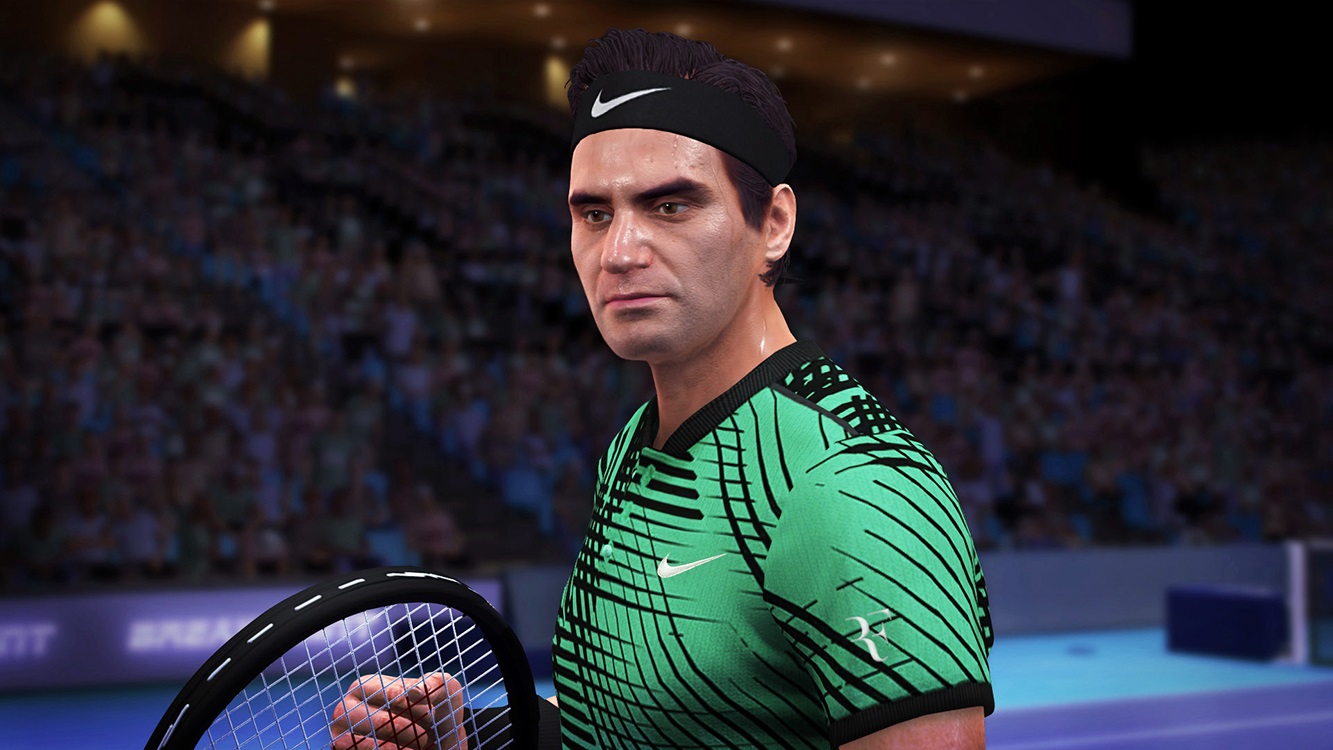
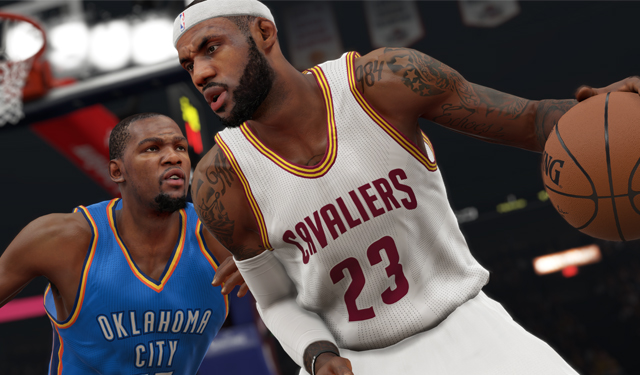
The NBA 2K15 image illustrates the importance of recognisable on-screen faces. Mimic Productions' published contribution to that project is facial animation; it is not evidence of a MetaHuman workflow. Likewise, the opening Tennis World Tour image refers to a published character-production credit involving scanning, modelling and texturing. These examples show why appearance and performance need separate questions. A scan, a completed model and a facial-animation delivery are different things, even when they contribute to the same character.
Ask for a performance test that reflects the character's role. A quiet dialogue exchange may reveal eyelid, gaze and subtle mouth issues that a broad action pose does not. A stylised hero may need expression shapes that depart deliberately from natural anatomy. Test representative speech, blinks, eye direction and the strongest required expression. Where body and face meet, check the neck and jaw in motion rather than approving them separately. Our facial animation service explains the performance work that can be scoped alongside character creation.
For a custom MetaHuman, discuss which features remain in the MetaHuman system and where additional work is proposed. For a bespoke rig, ask how the required controls, deformations and capture or keyframe inputs will be supported. Neither label guarantees a convincing performance. Our character rigging handoff guide describes the receiving team's requirements. If the character needs a cinematic close-up, plan the test with that camera distance from the beginning; approving only a turntable leaves an important production question unanswered.
Test runtime fit and the work that remains
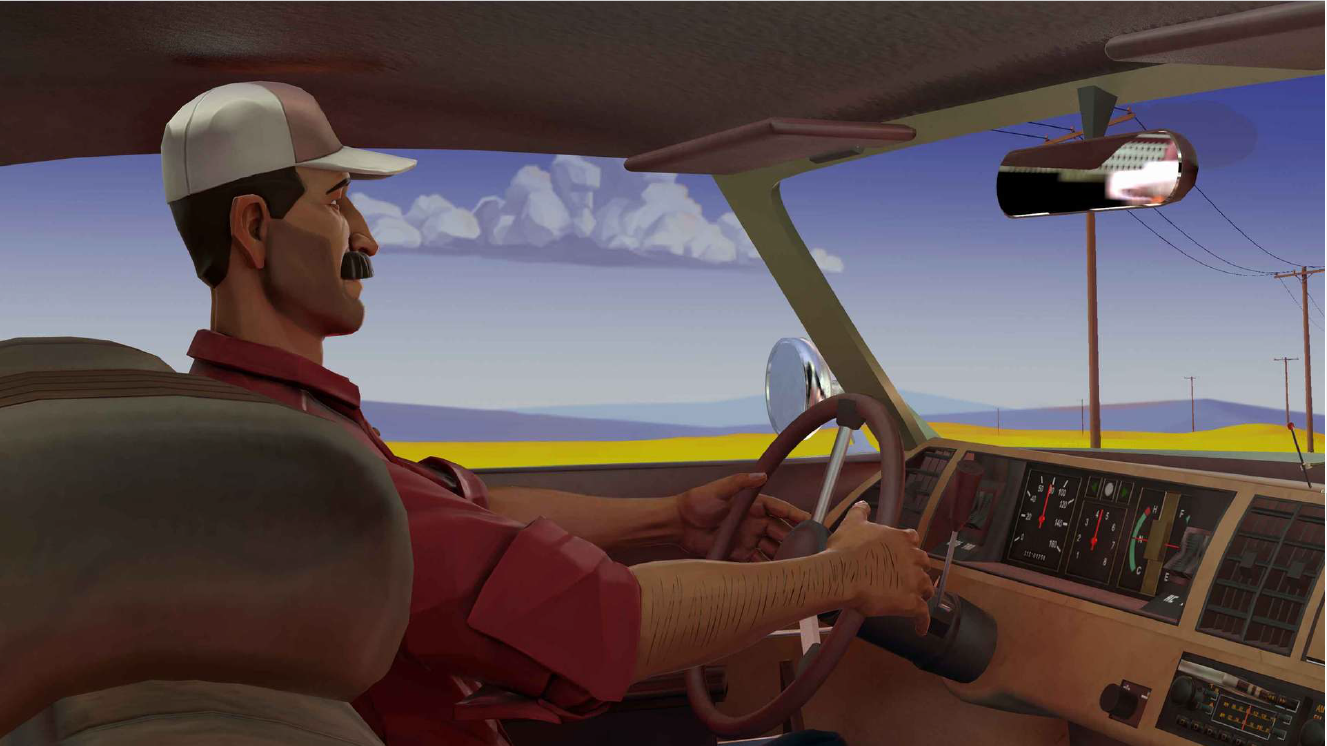
Runtime suitability is a project test, not a property proved by a character screenshot. The Hitch Hiker portfolio image illustrates a character seen within gameplay; the published Mimic contribution is facial motion capture, not a claim about the engine or character-building tools used. Decide how many characters appear together, which camera distances matter and which target devices must be supported. Then test the proposed asset in a representative scene rather than treating an empty test level as the final performance evidence.
Assess more than polygon count. Materials, hair, textures, rig evaluation, animation, lighting and the surrounding scene can all influence the result. Agree who prepares levels of detail and who profiles the integrated asset. Avoid a universal rule such as "this character will run on every device" or "a bespoke model is always lighter". The implementation, quality target and test conditions determine what is acceptable. Our game asset optimisation guide explains how to make comparisons using consistent conditions.
Consider an illustrative dialogue NPC intended for several close-up conversations. A custom MetaHuman route may be worth testing when its character structure and workflow fit the project. The remaining scope could still include likeness refinement, clothing, hair, materials, performance preparation and optimisation. Now consider a creature with an unusual jaw and non-human body mechanics. A bespoke assessment may be more suitable because its deformation and animation requirements differ. These are starting hypotheses, not automatic conclusions. A representative prototype should resolve the important uncertainties before producing a whole cast.
Review the full handoff as well as runtime. Confirm engine and software versions, required plugins, source assets, export formats, dependencies and the team's ability to maintain the character. Ask which changes remain straightforward after delivery and which require specialist work. If scanning is part of the proposal, the 3D scanning production guide explains the distinction between captured data and a game-ready asset. A starting character, downloaded asset or scan does not remove the work needed to meet the receiving team's visual and technical requirements.
Prepare a character brief and compare proposals

Begin the brief with the character's role: playable hero, dialogue NPC, background cast member or creature. Add reference images and explain what each reference contributes. State the expected camera distance, animation actions, speech requirements and target devices. Include the engine version, any required skeleton and the assets you already own. The team-review photograph is stock imagery illustrating this planning step. The character brief checklist provides a concise starting document you can adapt.
Ask each supplier to separate concept and likeness work, modelling, materials, hair, clothing, rigging, facial setup, animation tests and engine integration. State whether you need one character or a reusable system for several characters. Request assumptions about supplied assets and exclusions. A quote for a customised starting asset is not directly comparable with one that includes a new rig and a tested integration scene. Compare the same acceptance standard and identify work your own team must still perform.
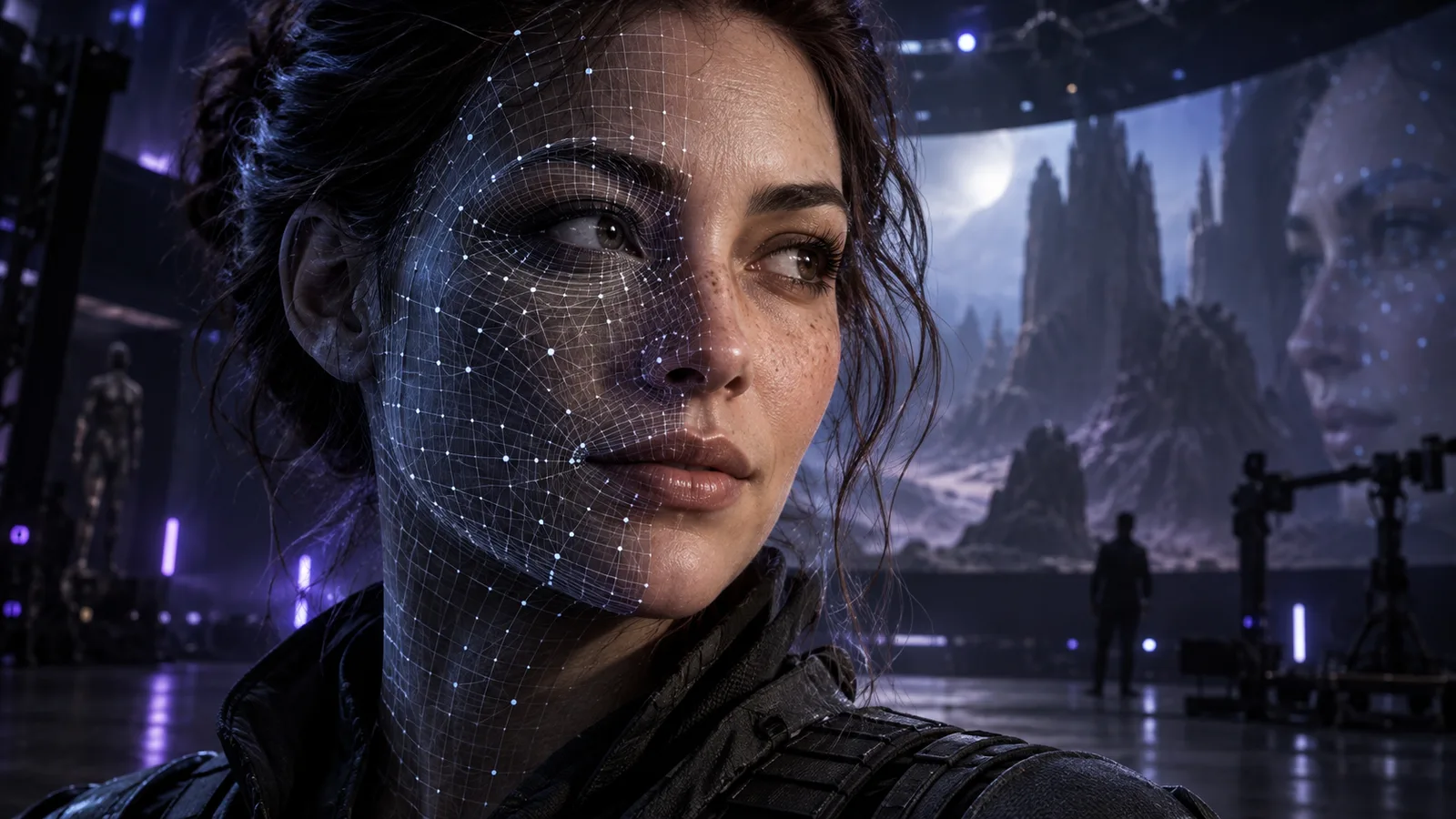
Use project evidence carefully. Mimic Productions' Caliverse case study, represented by this article's cover, describes character creation, rigging, modelling, texturing, look development and VR integration. That is relevant evidence of character-production responsibilities, but it does not establish a MetaHuman implementation or a measured performance improvement. Ask prospective partners for the same clarity: which contribution belongs to them, which parts were supplied, and what delivery they can demonstrate. Avoid inferring capability from a famous title without checking the actual credit.
Finally, define a pilot and its acceptance criteria. Choose one representative character or a focused face-and-rig test, agree the review camera and performance sample, and list what the receiving team must be able to open or integrate. Record source-file delivery, usage rights, review rounds and how changes are handled. Review applicable tool and asset terms for the intended use with the appropriate project owner. You can discuss a character brief with Mimic Gaming before every detail is final; send known requirements and label open decisions rather than filling gaps with assumptions.
Frequently asked questions
What is a custom MetaHuman?
In this guide, it means a character adapted for a project's identity while using relevant parts of the MetaHuman character system. The exact work varies. Ask whether the proposal includes custom geometry, textures, hair, clothing, rig adjustments and engine testing. The label alone does not establish how much original production is included.
Can MetaHuman support stylised characters?
Yes, Epic documents a stylised-character workflow involving custom mesh import and further geometry and rig work. Suitability still depends on the design and required performance. Assess the actual character rather than assuming stylisation either rules MetaHuman out or makes every design straightforward. Confirm requirements against the version your team uses.
Is a custom MetaHuman always cheaper than a bespoke character?
No. A useful starting point can reduce some work, while extensive adaptation, specialist requirements or integration changes can add work elsewhere. Compare the complete deliverables and the same acceptance standard. This guide does not give a universal price or promise a particular saving from either production approach.
Does a MetaHuman character need animation polish?
Plan for the performance review your project requires. Having a character system or captured animation does not prove that dialogue, gaze, emotion and contact read correctly in a particular shot. Ask who handles cleanup, retargeting, corrective work and shot-specific polish, and evaluate an agreed performance sample before expanding production.
When should a studio investigate a bespoke character pipeline?
Investigate it when important requirements do not fit the proposed starting system: unusual anatomy, particular deformation behaviour, an established rig, a distinctive visual treatment or a constrained delivery pipeline. These are reasons to assess alternatives, not proof that a bespoke approach will automatically be faster, cheaper or more efficient.
Can we choose the character workflow before choosing target devices?
You can explore options, but device and scene requirements should inform the production decision. Without them, optimisation and acceptance remain uncertain. Share the intended platforms, representative scenes and expected character counts, then agree a test. Do not treat a successful desktop demonstration as evidence of identical results on other hardware.
What files should we request when commissioning a character?
Specify the editable sources, model and texture exports, rig, animation samples, engine assets and dependency list your receiving team needs. Agree versions, naming and usage permissions. Ask for a delivery manifest and a reproducible test scene where appropriate. A preview render or turntable is useful for review but is not a complete asset handoff.
Do the projects pictured here prove that Mimic used MetaHuman?
No. The portfolio images illustrate character-production and performance requirements. The cited project credits describe the published contributions, and this article does not identify those projects as MetaHuman implementations. Stock photos illustrate planning and design tasks and do not depict Mimic employees, facilities or client sessions.
Choose the approach you can validate
The strongest choice is the one that fits the character's identity, performs in the intended scene and reaches the receiving team with clear deliverables. Evaluate a standard MetaHuman workflow, a customised MetaHuman and a bespoke approach against those requirements. A representative test and an explicit scope are more useful than a blanket claim that one tool is always best.
Need help defining a game character? Explore Mimic Gaming's character creation service and share your references, target platforms and animation requirements through the enquiry link above. Start with a non-confidential summary; agree a secure transfer method before sending unreleased assets.
 November 23, 2025
 July 9, 2026
 June 29, 2026